Sarcopyramis napalensis Care

About Sarcopyramis napalensis

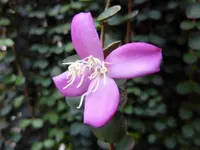
Sarcopyramis napalensis is a small, shade-loving perennial from the family Melastomataceae. It typically forms low, leafy clumps with soft, often slightly hairy leaves. In its native range in parts of the eastern Himalayas and nearby regions, it grows on moist forest floors and rocky, humus-rich slopes under tree cover. The plant prefers consistently damp, well-drained, organic soils and protection from strong, direct sun.

Its need for steady moisture and shelter from harsh conditions can make it more suitable for careful indoor culture or specialized outdoor spots. For those who want to care for Sarcopyramis napalensis, stable humidity and gentle light are the main priorities.

Main Plant Requirements

Care Difficulty

Moderate Care

Light Preference

Partial Shade

Water Requirements

Keep Soil Moist

Temperature Preference

Warm Climate

Hardiness Zone

Unknown

Soil Texture

Loamy, Silty, Organic-rich

Soil pH

Acidic (5.5–6.5)

Soil Drainage

Moist but well-drained

Fertilization

Minimal (feed rarely)

Get Personalized Care Plan

Scan your plant to receive care tips personalized for your specific plant

Available on iOS and Android

How to Care for the Sarcopyramis napalensis

This understory species prefers soft, filtered light that mimics bright forest shade.

  • Provide bright shade or dappled light with 1–3 hours of gentle morning sun; avoid direct midday or afternoon sun, which can scorch leaves and fade coloration.
  • Tolerates partial shade but becomes sparse and leggy in deep shade; increase light gradually if stems elongate and leaves lose color contrast.
  • Outdoors, use overhead tree cover, shade cloth (30–50%), or a north/east exposure; in winter, when light is weaker, slightly brighter positions are usually beneficial.

Moist but not waterlogged soil supports healthy root growth and foliage density.

  • Water when the top 2–3 cm of soil feels dry, using enough to moisten the entire root zone, then let excess drain away fully.
  • In spring and summer, drying will be faster, so check soil every few days; in cooler seasons, extend intervals to prevent soggy conditions and root rot.
  • Leaves yellowing from the base and soft stems suggest overwatering and poor drainage, while dull, limp leaves and dry, crisp edges indicate the plant needs water.

Stable, mild conditions suit this species, which dislikes both frost and intense heat.

  • Aim for 60–77°F (16–25°C) during active growth, which supports steady foliage and root development without stress.
  • Protect from cold below 45°F (7°C); brief dips to 40°F (4°C) may be tolerated, but freezing conditions can permanently damage or kill the plant.
  • In hot weather above 86°F (30°C), increase shade and airflow, and avoid heat-reflecting surfaces; cooler, frost-free microclimates are best for Sarcopyramis napalensis care instructions.

This species prefers moderately moist air but adapts to typical indoor humidity if not too dry.

  • Aim for 50–70% humidity to keep foliage lush and reduce edge browning.
  • Tolerates brief dips to 35–40%, but prolonged dry air causes curled, crispy leaf tips and slower growth.
  • Increase humidity with a pebble tray or grouping plants; avoid misting if leaves stay wet for hours, which can encourage fungal spots.

This plant prefers a loose, humus-rich, well-drained substrate that stays lightly moist but not saturated.

  • Use a mix of roughly 50% peat or coco coir, 30% fine compost, and 20% perlite or pumice to combine moisture retention with strong drainage.
  • Aim for slightly acidic to neutral pH around 5.5–7.0, which supports nutrient uptake and root health in Sarcopyramis napalensis.
  • Improve aeration by including small bark chips or coarse perlite so roots receive enough oxygen and do not compact over time.
  • Avoid heavy clay, unamended garden soil, or mixes that stay wet for more than 2–3 days, as these favor root rot and mildew.

This species is well suited to container culture when the pot is chosen to support its spreading, shallow root system.

  • Select a wide, relatively shallow pot so roots can spread laterally while the substrate drains evenly.
  • Choose a stable, heavier container material if the plant is grown in bright, breezy spots to prevent tipping as foliage spreads.
  • Ensure several unobstructed drainage holes so water exits quickly, preventing waterlogging at the lower root zone even after deep watering.

Light feeding supports steady growth for Sarcopyramis napalensis in cultivation, especially in containers.

  • Use a balanced liquid fertilizer (around 10-10-10 NPK) at 1/4–1/2 strength during active growth in spring–summer.
  • Apply every 4–6 weeks only if growth slows or foliage looks pale, not by fixed habit.
  • Skip feeding in late fall and winter to avoid weak, soft growth under low light.
  • For outdoor plantings, a thin layer of compost in spring is usually sufficient nutrient support.

Pruning needs are low, mainly to keep Sarcopyramis napalensis tidy and healthy.

  • Carry out light pruning in late winter or early spring before strong new growth begins.
  • Remove dead, diseased, or crossing stems with clean, sharp hand pruners to limit infection risk.
  • Thin crowded interior shoots slightly to improve air movement and light penetration.
  • Avoid heavy structural cuts; maintain the plant’s natural form while directing growth away from walkways or neighboring plants.

This species is more often grown in the ground, so focus on gentle transplanting rather than frequent repotting.

  • Transplant in early spring or early fall when temperatures are mild and soil is workable.
  • Look for signs such as roots circling the pot, water running off quickly, or noticeably slowed growth before moving a container plant up 1 pot size.
  • Water thoroughly 1–2 days before moving, then slide the root ball out with minimal disturbance to reduce root stress.
  • Set at the same soil depth in a well-drained site, water in slowly, and shade for 3–7 days to help recovery.

Propagation of Sarcopyramis napalensis is possible but not commonly done outside specialist collections.

  • Sow fresh seed in spring on a moist, free-draining mix, barely covering the seeds and keeping 65–75°F with bright, indirect light.
  • Use semi-ripe stem cuttings in late spring–summer, trimming below a node and removing lower leaves.
  • Dip cuttings in rooting hormone, place in a humid, covered environment, and maintain evenly moist but not waterlogged media.
  • Label batches clearly and discard any cuttings that show rot or fungal growth to keep the rest healthy.

Winter care needs depend on local climate and whether the plant grows in the ground or in containers.

  • In mild climates, established outdoor plants are generally hardy and need only standard garden care in winter.
  • In colder areas with repeated freezes, apply 5–8 cm of organic mulch around the root zone, keeping it off the stems.
  • Move container plants to a sheltered, frost-free spot with cool, bright conditions and slightly reduced watering.

Care Tips

Shallow, wide pots

Use a broad, shallow container rather than a deep one to match the plant’s fibrous, surface‑oriented roots and reduce the risk of water sitting in the lower profile of the pot.

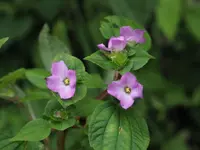
Leaf litter mulch

Apply a very thin layer of fine leaf litter or shredded bark around the crown to mimic a forest‑floor habitat, keeping it away from direct contact with the stems to avoid rot.

Gentle root division

Every 2–3 years, divide congested clumps by teasing apart sections with at least 3–4 shoots and replanting them immediately, which helps maintain vigor and creates backup plants.

Summer shade shifts

In hot climates, move containers a little deeper into shade or behind larger plants from late spring to early fall to protect the delicate foliage from occasional harsh sunflecks.

Soft water preference

Use rainwater, distilled, or low‑mineral filtered water when possible, since this species can show marginal leaf burn and soil crusting when exposed to very hard tap water over time, which is important when caring for Sarcopyramis napalensis in containers.

Common Pests and Diseases

Leaf spot fungus

This disease causes small, water-soaked or brown spots on the soft, thin leaves, which may merge into larger irregular patches in persistently wet conditions.

Solution

Remove and discard affected leaves, avoid wetting foliage when watering, and improve air movement around the plant; if leaf spots keep spreading, apply a copper-based fungicide labeled for ornamental foliage plants and space watering to let leaves dry between cycles as part of general Sarcopyramis napalensis care instructions.

Powdery mildew

This disease appears as a fine white or gray powder on upper leaf surfaces, often starting on older or shaded leaves and leading to yellowing and distortion.

Solution

Increase light and airflow, avoid overhead watering, and prune out heavily affected leaves; if needed, treat with a sulfur or potassium bicarbonate product labeled for powdery mildew, applied in dry, mild conditions according to label directions.

Soft scale

These insects form small, smooth, tan to brown bumps on stems and leaf midribs, producing sticky honeydew that can attract sooty mold on the foliage.

Solution

Wipe stems and leaves with a soft cloth dipped in diluted insecticidal soap, repeat every 7–10 days until no new scales appear, and for heavier infestations use a horticultural oil spray that thoroughly coats stems, leaf undersides, and crevices.

Spider mites

These pests cause fine stippling and a dull, faded look on leaves, sometimes with delicate webbing on undersides during warm, dry conditions.

Solution

Rinse foliage thoroughly with lukewarm water, focusing on leaf undersides, then maintain higher humidity and regularly inspect new growth; if mites persist, apply insecticidal soap or horticultural oil in several treatments 5–7 days apart to break their life cycle.

Interesting Facts

Understory forest specialist

This species naturally grows as a small herb in the shaded understory of subtropical and montane forests in parts of the eastern Himalayas and southwestern China, often on moist, humus-rich slopes and along forest paths.

Shimmering leaf surface

Its leaves can show a subtle metallic or iridescent sheen under low, angled light, caused by the way the epidermal cells and surface cuticle reflect and scatter light rather than by pigment alone.

Melastome family features

As a member of the Melastomataceae, it has the family’s characteristic leaf venation pattern with several strong, nearly parallel veins arising from the leaf base, a useful diagnostic feature for field identification.

FAQs about Sarcopyramis napalensis

This species can work indoors if given bright, indirect light, consistent moisture, and high humidity. It stays relatively low and compact, so it suits shelves or tabletops better than dark corners or drafty spots.

Grow Healthy Plants with Botan Care

Keep your plants happy and healthy with plant identification, disease detection, and easy care guidance.

Botan plant care app — identify plants on mobile

Explore More Plants