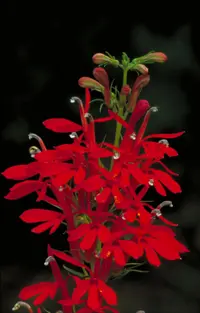
Stake tall spikes
Install sturdy, tall stakes and soft ties as soon as the flower spike is 20–30 cm high so the very long inflorescences mature straight without kinking at the base.

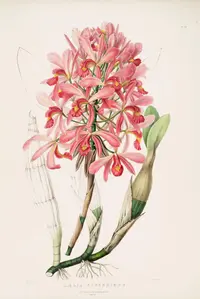
Laelia superbiens is a large epiphytic orchid known for its tall flower spikes and showy, long-lasting blooms in shades of pink to lavender. It typically grows on trees or rocks in its native range of Mexico and Central America, where it experiences bright light and good air movement.
The plant has narrow, leathery leaves and produces impressive inflorescences that can carry many flowers at once. Its size and light needs make it better suited to growers who already have some orchid experience.
Understanding how to care for Laelia superbiens starts with providing strong light, moderate watering, and a very free-draining orchid substrate that dries slightly between waterings.

Care Difficulty
Hard Care

Light Preference
Partial Sun

Water Requirements
Moderate Water

Temperature Preference
Tropical / Frost Sensitive

Hardiness Zone
11–12

Soil Texture
Rocky, Sandy, Organic-rich

Soil pH
Acidic (5.5–6.5)

Soil Drainage
Well-drained

Fertilization
Moderate (every 2–4 weeks)
Scan your plant to receive care tips personalized for your specific plant
Available on iOS and Android
This epiphytic orchid prefers bright, indirect light with some direct morning sun.
Watering should mimic a wet–dry cycle suited to an epiphytic orchid.
This species prefers intermediate to warm conditions with a marked day–night difference.
This species benefits from moderately humid air but tolerates brief drier periods.
For Laelia superbiens, treat the roots like an epiphytic orchid and prioritize air over moisture retention.
This orchid is suitable for container growing when given a stable, well-ventilated setup.
This orchid benefits from light, consistent feeding during its active growth period.
Pruning needs are minimal and focus mainly on hygiene and flower performance.
Repotting focuses on maintaining a fresh, airy orchid medium and a stable root system.
Propagation is usually done by division rather than from seed for reliable results at home.
This orchid is frost sensitive and needs protection from low temperatures in most climates.

Plant Health Check
Not sure what's wrong with your plant? Check your plant's health inside the app.
This species is native to high-elevation pine-oak forests in Mexico and Central America, where it grows as an epiphyte on trees exposed to frequent cloud cover and moving air.
Mature plants can produce inflorescences over 2 m tall, carrying many large lilac to purple flowers that stand well above the foliage and are visible from a distance in the forest canopy.
The fragrant, pale-centered flowers are adapted to attract nocturnal or crepuscular pollinators such as moths, releasing a stronger scent during the cooler evening and night hours.

This orchid was historically placed in the genus Schomburgkia because of its very tall, reed-like pseudobulbs and towering flower spikes, and its taxonomic history is still discussed in modern treatments of Laeliinae orchids.
Lack of flowering usually comes from insufficient light, too-warm winter nights, or no slight winter rest. Provide bright conditions, a cooler, drier rest period, and avoid repotting frequently, as this species flowers best on mature, undisturbed pseudobulbs.
Keep your plants happy and healthy with plant identification, disease detection, and easy care guidance.