Train As A Shrub
Remove or shorten long, lax shoots by one-third in late winter to keep a dense, self-supporting mound rather than a tangle that flops open at the center.

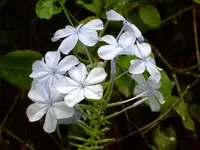
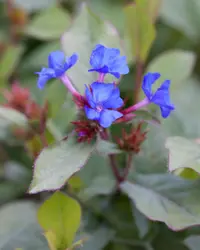
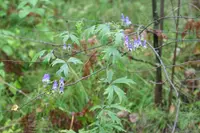
Blue plumbago, Plumbago auriculata, is a sun-loving flowering shrub known for its clusters of soft sky-blue blooms. It has a sprawling, slightly woody growth habit and is often trained on supports or used as an informal hedge in warm climates.
This species is native to South Africa and performs best in frost-free regions, where it can flower for long periods. Its rapid growth and forgiving nature make it suitable for beginners, as long as it receives enough light and regular pruning.
Light, well-drained soil and moderate moisture support healthy growth, but the plant tolerates some drought once established. Understanding how to care for Blue plumbago mainly involves managing light, pruning, and space for its natural spreading habit.

Care Difficulty
Easy Care

Light Preference
Full Sun

Water Requirements
Moderate Water

Temperature Preference
Tropical / Frost Sensitive

Hardiness Zone
9–11

Soil Texture
Sandy, Loamy, Organic-rich

Soil pH
Slightly acidic (6.5–7.0), Neutral (7.0)

Soil Drainage
Well-drained

Fertilization
Light (every 4–6 weeks)
Scan your plant to receive care tips personalized for your specific plant
Available on iOS and Android
This sun-loving shrub flowers best with strong light and some direct sun each day.
This plant prefers evenly moist, well-drained soil rather than constant wetness or drought.
This species prefers warm, mild conditions and is sensitive to frost.
This species tolerates a wide humidity range but grows best with moderately moist air.
Plumbago auriculata prefers light, free-draining soil that does not stay wet after watering.
This species is well suited to container growing when given adequate root space and drainage.
Plumbago auriculata responds well to moderate, consistent feeding during its active growing season.
Plumbago auriculata benefits from routine pruning to maintain shape and encourage abundant flowering.
Container-grown Plumbago auriculata and young landscape plants handle repotting or transplanting well when timed and handled carefully.
Plumbago auriculata is most commonly propagated from softwood or semi-ripe stem cuttings taken in warm seasons.
In climates cooler than its hardiness range, Blue plumbago needs thoughtful winter care to prevent cold damage.

Plant Health Check
Not sure what's wrong with your plant? Check your plant's health inside the app.
The flowers produce gland-tipped hairs on the calyx that secrete a sticky substance, which can trap small insects and pollen grains and is thought to help protect the developing seeds from herbivores and pests.
This species is native to the Cape region of South Africa, where it often grows on rocky, limestone-rich slopes, which helps explain its tolerance for relatively alkaline, well-drained soils in cultivation.
Its blue flower color comes mainly from anthocyanin pigments, which can appear more bluish or slightly lavender depending on soil conditions and light intensity, leading to subtle color variation between plants and seasons.

In its native South African range, this species can form large, sprawling thickets over 2–3 m tall and wide on scrubby hillsides, providing long-season nectar for sunbirds and insects when few other shrubs are in full bloom.
Poor flowering usually comes from insufficient light, low nutrients, or lack of pruning. Remove old, woody stems after main flushes, feed with a balanced fertilizer, and ensure the plant is not shaded by trees or structures.
Keep your plants happy and healthy with plant identification, disease detection, and easy care guidance.