Peruvian zinnia Care (Zinnia peruviana)

Also known as: Cedstar Zinnia, Wild Zinnia
Peruvian zinnia

About Peruvian zinnia

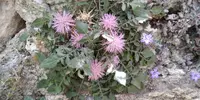
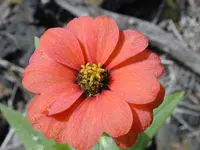
Peruvian zinnia (Zinnia peruviana) is a warm-season annual known for its small, daisy-like flowers in red, orange, or yellow tones. Plants usually stay compact and branching, creating a loose, natural look in garden beds or wildflower plantings.

This species is native to parts of South and Central America and often grows in open, sunny, and dry habitats. It is generally considered easy to grow, as it tolerates heat, relatively poor soils, and brief dry periods once established.

Those who care for Peruvian zinnia typically choose it for low-maintenance color, especially in informal gardens or pollinator patches. It prefers full sun, well-drained soil, and moderate watering that allows the soil surface to dry slightly between waterings.

Main Plant Requirements

Care Difficulty

Easy Care

Light Preference

Full Sun

Water Requirements

Moderate Water

Temperature Preference

Tropical / Frost Sensitive

Hardiness Zone

9–11

Soil Texture

Sandy, Loamy, Organic-rich

Soil pH

Acidic (5.5–6.5), Slightly acidic (6.5–7.0)

Soil Drainage

Well-drained

Fertilization

Light (every 4–6 weeks)

Get Personalized Care Plan

Scan your plant to receive care tips personalized for your specific plant

Available on iOS and Android

How to Care for the Peruvian zinnia

This species thrives in strong light and performs best with direct sun exposure.

  • Provide 6–8 hours of direct sun daily; full sun is ideal, especially morning to early afternoon, for compact growth and abundant flowers in Peruvian zinnia.
  • Allow light afternoon shade in very hot, dry regions to reduce leaf scorch and premature flower fading, especially on south- or west-facing sites.
  • Avoid sites shaded more than 3–4 hours a day; plants grown in too much shade become leggy, produce fewer blooms, and are more prone to mildew in damp seasons.

This plant prefers deep, infrequent watering in freely draining soil.

  • Water when the top 3–5 cm of soil is completely dry, soaking the root zone thoroughly, then allow excess to drain to prevent root rot and fungal issues in Zinnia peruviana.
  • In hot, dry periods, expect to water more often; in cool or rainy seasons, reduce watering and rely on natural rainfall when possible.
  • Watch for early wilt and dull, thin leaves as signs of underwatering, and yellowing, limp growth or a sour soil smell as signs of overwatering and poor drainage.

This warm-season annual grows best in consistently mild to hot conditions without frost exposure.

  • Aim for 70–85°F (21–29°C) for strongest growth and flowering; plants still perform acceptably from about 65–90°F (18–32°C).
  • Protect from frost at all stages; growth slows noticeably below 55°F (13°C) and plants are usually killed near 32°F (0°C).
  • Zinnia peruviana tolerates dry heat up to about 95°F (35°C) if soil moisture is steady, but prolonged extremes above this can shorten bloom life and stress plants.

This species thrives in relatively dry air and does not need elevated humidity.

  • Aim for 30–50% humidity, typical of most heated and air-conditioned homes or outdoor summer conditions.
  • Dry indoor air is usually tolerated, but very hot, stagnant conditions can lead to leaf edge browning and faster wilting.
  • If air is extremely arid, group pots together and mulch the soil surface to slow moisture loss rather than misting foliage.

Zinnia peruviana prefers light, free-draining soil that dries slightly between waterings.

  • Use a sandy or loamy mix with 30–40% compost and added coarse sand or perlite to sharpen drainage and aeration.
  • Target a slightly acidic to neutral pH of 6.0–7.0, avoiding strongly acidic or alkaline ground that can limit nutrient uptake.
  • Loosen compacted native soil to at least 15–20 cm deep and blend in organic matter so roots can penetrate easily without waterlogging.
  • Avoid heavy clay, poorly drained spots, or constantly wet beds, which promote root rot and reduce flowering.

This species is suitable for container growing outdoors in sunny, well-ventilated spots.

  • Choose a pot at least 20–25 cm wide to allow lateral root spread that supports bushy, floriferous growth.
  • Select a relatively lightweight plastic or resin container if frequent repositioning is needed, as terracotta dries much faster and needs closer monitoring.
  • Use a gritty mix and raise the pot slightly on feet or bricks so drainage holes stay clear and runoff escapes freely.

This annual wildflower grows well in lean soil, so use light feeding to support flowering without excess foliage growth in Peruvian zinnia.

  • Apply a balanced, water-soluble fertilizer (around 10-10-10 or 15-15-15) at half strength every 3–4 weeks during peak growth.
  • Alternatively, mix a small amount of mature compost into the topsoil before sowing or early in the season.
  • Avoid high-nitrogen products, which reduce flowering and cause weak, lush growth.
  • Stop feeding in late summer to allow plants to complete their life cycle without soft, frost-sensitive tissue.

Thoughtful pruning supports compact growth and longer blooming in Zinnia peruviana.

  • Begin light pruning once plants have at least 3–4 sets of true leaves, typically in late spring or early summer.
  • Use clean, sharp scissors or hand pruners to remove dead, diseased, or crossing stems.
  • Pinch or cut spent flower heads just above a leaf node to encourage branching and new buds.
  • Thin crowded stems to improve airflow, which reduces foliar disease and keeps plants more upright.

This species is most often grown as an annual from seed, so focus on gentle transplanting rather than frequent repotting.

  • Start seeds in small cells or pots; transplant when seedlings have 2–3 true leaves and roots just hold the soil together.
  • Move plants to the garden after frost, handling the root ball carefully to avoid tearing fine roots.
  • Space plants so roots do not quickly crowd; transplant shock shows as wilting or stalled growth for several days.
  • Water thoroughly after transplanting and shade lightly for 1–2 days in hot weather to limit moisture loss and stress.

Reproduction of this species is mainly done by seed, making Zinnia peruviana plant care straightforward for most gardeners.

  • Collect dry seed heads at the end of the season, then store seeds in a cool, dry place until spring.
  • Sow seeds in late spring once soil is warm, typically above 65°F, in well-drained, moderately fertile soil.
  • Cover seeds lightly with 0.5 cm of soil and keep evenly moist until germination in 5–10 days.
  • Provide full sun and good airflow for seedlings to develop sturdy stems and reduce damping-off, a fungal seedling disease.

Zinnia peruviana is a frost-tender annual, so plants usually die back with the first hard frost and need no complex winter care.

  • In cold climates, allow plants to finish flowering, then remove spent stems after frost to reduce disease carryover.
  • Leave a few seed heads if self-sowing is acceptable; seedlings may appear the following spring in mild regions.
  • In mild, frost-free areas, occasional self-sown plants can persist, but growth still slows in cool, short-day conditions.

Care Tips

Succession Sowing

Sow a small batch of seeds every 2–3 weeks in spring and early summer so you always have fresh plants coming into bloom as older ones decline.

Targeted Deadheading

Remove individual spent flower heads by cutting just above a leaf node, which encourages new branching and more blooms instead of leaving bare stalks.

Airflow Spacing

Space plants more widely than standard bedding zinnias and thin crowded seedlings so foliage dries quickly after rain, which reduces foliar diseases in warm, humid weather.

Cutting Back For Flush

Shear back leggy plants by 1/3 in midseason, then water and feed lightly to promote a compact regrowth and a second flowering flush when growing Peruvian zinnia in long summers.

Clean Harvest Technique

When cutting stems for arrangements, disinfect shears regularly and avoid stripping leaves onto the soil surface to limit disease spread and volunteer seedlings in following seasons.

Common Pests and Diseases

Alternaria leaf spot

This disease causes small, dark brown to black spots with pale centers on older leaves that can enlarge and merge in warm, humid weather.

Solution

Remove and discard heavily spotted leaves, avoid overhead watering, and space plants to improve airflow; in areas with recurring problems, use a copper or chlorothalonil-based fungicide labeled for ornamentals at the first sign of spotting and follow label intervals until weather turns drier.

Powdery mildew

This disease produces white, powdery patches on upper leaf surfaces and stems, leading to yellowing and premature leaf drop in crowded or shaded plantings.

Solution

Increase sun exposure and air circulation, water at soil level, and remove the most affected leaves; if needed, apply a sulfur or potassium bicarbonate fungicide labeled for ornamentals at regular intervals when dry, warm conditions favor spread.

Bacterial leaf spot

This disease creates water-soaked, angular spots that may turn dark and sometimes appear greasy, often starting on lower leaves after splashing irrigation or heavy rain.

Solution

Promptly remove and trash infected foliage, avoid working with plants when wet, and switch to drip or soaker hoses to limit splash; in beds with a history of issues, practice crop rotation and start with healthy, certified seed or transplants to support long-term Zinnia peruviana plant care.

Aphids

These insects cluster on young stems, buds, and leaf undersides, sucking sap and causing curling leaves and sticky honeydew that can attract sooty mold.

Solution

Dislodge colonies by spraying plants with a firm stream of water, encourage natural predators like lady beetles, and if populations remain high, use insecticidal soap or a ready-to-use neem oil product, coating the undersides of leaves and repeating as needed per label directions.

Spider mites

This pest thrives in hot, dry weather and causes fine stippling on leaves, bronzing, and delicate webbing between leaves and stems.

Solution

Increase humidity around plants by watering soil regularly, hose down foliage to knock mites off, and in persistent infestations apply a miticide or horticultural oil labeled for spider mites, ensuring thorough coverage of leaf undersides and repeating at the recommended interval.

Interesting Facts

Andean dryland specialist

This species is native to seasonally dry regions of the central Andes, where it is adapted to open, disturbed ground and can complete its life cycle quickly between dry periods.

Dark-centered disk florets

The flower heads often show a strong contrast between bright ray florets (the outer petal-like structures) and a darker central disk, which helps guide insect pollinators toward the nectar and pollen.

Notable genetic variability

Wild populations show considerable variation in traits like plant height, branching, and flower color, which is why it has been used in breeding work as a genetic resource for Zinnia peruviana plant care and ornamental improvement.

Botan icon

Did you know?

In parts of its native range, this species behaves as a pioneer plant, rapidly colonizing roadside banks, fallow fields, and other recently disturbed sites, which helps stabilize soil and create early habitat structure for insects and other small organisms.

FAQs about Peruvian zinnia

Lack of blooms usually comes from too much shade, excessive nitrogen fertilizer, or old, spent flowers left on the plant. Provide strong light, use balanced fertilizer, and deadhead regularly so energy goes into forming new buds.

Grow Healthy Plants with Botan Care

Keep your plants happy and healthy with plant identification, disease detection, and easy care guidance.

Botan plant care app — identify plants on mobile

Explore More Plants