Alchemilla pallens Care

Alchemilla pallens

About Alchemilla pallens

Alchemilla pallens is a compact, herbaceous perennial in the rose family, valued mainly for its soft, scalloped foliage. It forms low, mounded clumps that create a gentle, ground-hugging effect in borders and rock gardens.

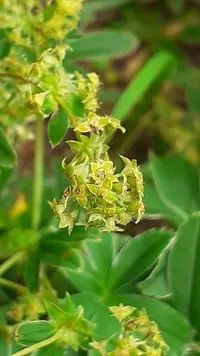
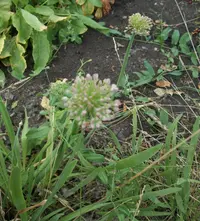
The leaves often catch dewdrops along their edges, which adds subtle visual interest at close range. Small, airy clusters of yellow-green flowers appear above the foliage in the growing season.

This species is native to cooler regions of Europe and typically favors open meadows, light woodland edges, and mountain slopes. It is generally undemanding, which makes how to care for Alchemilla pallens straightforward for most gardeners.

It prefers moderately moist, well-drained soil and performs best in locations with mild sun to light shade, especially in warmer summer climates.

Main Plant Requirements

Care Difficulty

Easy Care

Light Preference

Partial Shade

Water Requirements

Moderate Water

Temperature Preference

Cool Climate

Hardiness Zone

4–8

Soil Texture

Loamy, Silty, Organic-rich

Soil pH

Acidic (5.5–6.5), Slightly acidic (6.5–7.0)

Soil Drainage

Moist but well-drained

Fertilization

Minimal (feed rarely)

Get Personalized Care Plan

Scan your plant to receive care tips personalized for your specific plant

Available on iOS and Android

How to Care for the Alchemilla pallens

This perennial prefers bright conditions with gentle sun and protection from harsh midday exposure.

  • Provide 3–5 hours of morning sun with light or open shade in the afternoon; east- or northeast-facing beds suit Alchemilla pallens well.
  • Tolerates partial shade, especially in hotter regions, but dense shade reduces flowering and leads to weaker, more open growth.
  • In summer, shield from strong afternoon sun to prevent leaf scorch; in cooler seasons, slightly higher sun exposure helps maintain compact, healthy foliage.

This species prefers consistently moist, but not saturated, soil, especially during active growth.

  • Water when the top 2–3 cm of soil feel dry, applying a deep soak so moisture reaches the root zone rather than frequent light sprinkling.
  • In spring and early summer, monitor closely during dry spells; reduce watering in cool, wet weather to avoid prolonged soil saturation.
  • Signs of overwatering include yellowing, limp leaves and soggy soil, while dry, curling foliage and slowed growth indicate underwatering; ensure soil drains freely.

This hardy perennial tolerates a wide temperature range but grows best in cool to mild conditions.

  • Optimal growth occurs around 55–75°F (13–24°C), with strongest foliage and flowering in the cooler part of this range.
  • Established plants tolerate winter cold down to about 0°F (−18°C) with good soil drainage, dying back above ground and resprouting in spring.
  • In summer, growth may slow if temperatures exceed 85°F (29°C); provide mulch to keep roots cooler and avoid reflected heat from hard surfaces.

This species grows well in typical outdoor humidity but benefits from slightly moist air in hot, dry regions.

  • Target 40–60% humidity, which is common outdoors in many temperate gardens.
  • Tolerates brief dry air, but prolonged hot, very dry wind can cause leaf edges to brown and curl.
  • In dry spells, group plants, mulch the soil surface, and water early in the day to reduce transpiration stress.

Alchemilla pallens prefers loose, moist, well-drained soil that does not stay waterlogged.

  • Use a loamy mix with moderate organic matter, such as garden loam blended with compost and a smaller portion of coarse sand.
  • Aim for slightly acidic to neutral pH around 6.0–7.0 to support nutrient uptake and root activity.
  • Improve drainage and aeration by incorporating coarse sand or fine grit, especially in heavy clay or compacted beds.
  • Avoid dense, sticky clay or low-lying spots where water stands after rain, which increases root rot risk.

This species is suitable for container growing in patios or small gardens.

  • Choose a wide, shallow to medium-depth pot to accommodate its spreading root system and foliage mound without crowding.
  • Select a heavier material like ceramic or clay to keep the container stable against wind and uneven top growth.
  • Raise the pot slightly on feet or bricks so drainage holes clear quickly after rain or irrigation, preventing soggy roots.

This species is modest in its nutrient needs but benefits from light feeding on poorer soils.

  • Apply a balanced, slow-release fertilizer (around 10-10-10) at half strength once in early spring as new growth starts.
  • On fertile garden soil, use a thin layer of compost around the root zone instead of granular fertilizer.
  • Avoid high-nitrogen products, which encourage weak, lush foliage more prone to flopping and disease.
  • Stop all feeding by late summer; do not apply fertilizer during fall and winter dormancy.

Pruning Alchemilla pallens is mainly done to keep the clump tidy and sustain flowering.

  • In late spring to early summer, use clean hand pruners to remove dead or winter-damaged leaves at the base.
  • Shear back spent flower stems after blooming to encourage fresh foliage and sometimes a light rebloom.
  • Thin congested or crossing stems to improve air flow and maintain a compact, rounded shape.
  • Dispose of pruned material to reduce fungal problems and self-seeding where it is not desired.

This plant is usually grown in the ground, so management focuses on dividing and transplanting established clumps.

  • Transplant or divide every 3–5 years in early spring or early fall, when temperatures are mild and soil is workable.
  • Look for crowded crowns, reduced flowering, or dieback in the center of the clump as signs it needs lifting and dividing.
  • Dig up the plant with a generous soil ball, then gently tease apart sections, keeping several buds and roots on each division.
  • Replant divisions at the same depth, water thoroughly, and shade lightly for 3–7 days to reduce transplant shock.

Alchemilla pallens is most often propagated by division, with seed used when larger numbers are needed.

  • Divide mature clumps in early spring or early fall, lifting the plant and separating healthy sections with a knife or spade.
  • Replant divisions into moist, well-drained soil, firm gently, and keep evenly watered until new growth is established.
  • For seed, sow fresh seed on the surface of a fine seed mix, as light exposure can improve germination.
  • Provide cool conditions, around 55–65°F, and consistent moisture; germination may be slow and uneven.

This species is generally cold hardy in temperate climates and needs only minimal winter attention in the ground.

  • After hard frost, foliage may die back; leave or cut to a low tidy crown depending on appearance preference.
  • Apply a 3–5 cm layer of mulch around, not over, the crown to buffer freeze–thaw cycles.
  • Containers are more vulnerable; move pots to a sheltered, unheated area where soil does not freeze solid for long periods.

Care Tips

Mulch For Coolness

Apply a 3–5 cm layer of fine bark or composted mulch around the crowns in late spring to keep roots cool, suppress weeds, and reduce soil splash that can mark the foliage.

Deadhead For Rebloom

Shear back spent flower stems promptly after the main flush to encourage a lighter second bloom and maintain a compact, tidy mound of foliage.

Divide Aging Clumps

Every 3–4 years lift and divide congested clumps in early spring or early fall, replanting only the vigorous outer sections to prevent center dieback and maintain flowering quality.

Manage Self-Seeding

If unwanted seedlings appear, cut flower heads before seed ripens or lightly cultivate the soil surface in fall to disrupt germinating seeds while the parent plants are dormant.

Foliage Protection Strategy

Site plants away from direct overhead irrigation and use low-angle or drip watering so leaves dry quickly, which helps limit foliar spotting and keeps the plant looking cleaner when caring for Alchemilla pallens.

Common Pests and Diseases

Powdery mildew

This disease causes a white to gray, powdery coating on leaves, especially in warm, dry conditions with poor air movement. Symptoms include distorted growth and reduced vigor if infections are heavy.

Solution

Remove and discard heavily infected leaves to reduce spore spread, then improve air circulation by thinning nearby vegetation and avoiding overhead watering. If needed, apply a sulfur or potassium bicarbonate fungicide labeled for ornamental perennials, starting early in the season and following label directions.

Leaf spot

This disease produces small brown, purple, or tan spots on the leaves that may merge into larger blotches in humid weather. Symptoms include early yellowing and shedding of older leaves from the lower part of the plant.

Solution

Cut off and dispose of affected leaves and any dense, crowded stems to reduce humidity around the foliage. Water at soil level, keep mulch off the crown, and in persistent cases use a copper or chlorothalonil fungicide labeled for foliar leaf spots on ornamentals.

Rust

This disease leads to pale or yellow areas on the upper leaf surface and orange to brown pustules on the undersides. Symptoms include gradual thinning of the clump and reduced ornamental value in damp, cool conditions.

Solution

Promptly remove and discard infected leaves and any plant debris around the base to remove sources of spores. Improve sun exposure and air flow where possible, avoid wetting foliage, and apply a rust-targeted fungicide if infections recur in the same bed each year.

Aphids

These insects cluster on young shoots and leaf undersides, sucking sap and causing curling or distortion of new growth. This pest also produces sticky honeydew that can lead to sooty mold on leaves.

Solution

Dislodge colonies with a firm jet of water, then monitor new growth regularly. For persistent infestations, use insecticidal soap or a ready-to-use horticultural oil, making sure to cover the undersides of leaves and repeating as needed according to label directions while maintaining good plant vigor through proper Alchemilla pallens care.

Slugs and snails

These pests feed on tender leaves, leaving irregular holes and ragged edges, often more noticeable after wet nights. Symptoms include slime trails on soil or foliage and damage concentrated on lower, shaded leaves.

Solution

Hand-pick slugs and snails in the evening, use iron phosphate bait around but not touching the clump, and remove nearby hiding places such as dense ground litter or boards. Maintaining slightly drier surface soil and coarse mulch such as gravel can also reduce feeding around the plant crowns.

Interesting Facts

Pale leaf morphology

This species is distinguished within the lady's mantle group by its notably pale green to yellowish leaves with a softer texture and finer serrations compared with more common Alchemilla species.

Restricted alpine range

Alchemilla pallens has a relatively limited natural distribution, occurring mainly in specific montane and subalpine habitats in parts of Europe, where it occupies cool, open sites with well-drained mineral soils.

Diagnostic floral traits

The plant bears small, yellow-green flowers lacking petals, and the subtle differences in sepal shape, hairiness, and inflorescence structure are used by botanists to separate it reliably from closely related Alchemilla taxa.

FAQs about Alchemilla pallens

This species forms loose clumps and can self-seed, but it is not usually aggressive. In typical garden conditions it spreads slowly, allowing neighboring plants to coexist without being overrun if basic maintenance and deadheading are done.

Grow Healthy Plants with Botan Care

Keep your plants happy and healthy with plant identification, disease detection, and easy care guidance.

Botan plant care app — identify plants on mobile

Explore More Plants