Extend Harvest Window
Stagger sowing or planting in 2–3 batches, 2–3 weeks apart in spring, so foliage and flowers mature at different times and you can harvest fresh leaves and scapes over a longer season.

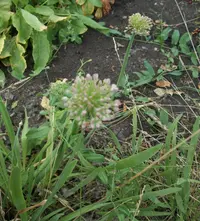
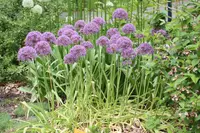
Siberian chives, Allium nutans, is a hardy perennial herb in the onion family, grown for its edible leaves and ornamental value. It forms neat clumps of flat, arching blue‑green foliage and produces soft, nodding pink to lilac flower heads on slender stems.
This species is native to Siberia and parts of central Asia, where it grows in open, sunny grasslands and rocky slopes. Its cold tolerance and strong regrowth make it a reliable choice for temperate gardens.
Allium nutans is generally easy to grow with full sun, moderately moist but well‑drained soil, and low to moderate fertility. These traits simplify how to care for Siberian chives in both edible and ornamental plantings.

Care Difficulty
Easy Care

Light Preference
Full Sun

Water Requirements
Moderate Water

Temperature Preference
Cold Hardy

Hardiness Zone
3–9

Soil Texture
Sandy, Loamy, Clay

Soil pH
Slightly acidic (6.5–7.0), Neutral (7.0)

Soil Drainage
Well-drained

Fertilization
Minimal (feed rarely)
Scan your plant to receive care tips personalized for your specific plant
Available on iOS and Android
Allium nutans prefers bright conditions and performs best with direct sun in most climates.
This species prefers moderate, even moisture in well-drained soil rather than constant wetness.
This hardy allium tolerates a wide temperature range but has clear preferences for active growth.
Allium nutans handles a wide humidity range and usually does not need special humidity management.
Allium nutans prefers loose, well-drained mineral soil that does not stay wet after watering or rain.
This species grows well in containers if the pot supports its clumping root system and fast drainage.
Allium nutans has modest nutrient needs but responds well to light feeding in active growth.
Pruning Allium nutans is straightforward and helps maintain a neat, vigorous clump.
Transplanting or dividing Allium nutans helps maintain vigor and prevents overcrowding.
Allium nutans is most commonly propagated by division, with seeds as a slower secondary option.
Allium nutans is cold hardy and usually needs minimal winter care in temperate climates.

Plant Health Check
Not sure what's wrong with your plant? Check your plant's health inside the app.
Unlike common chives, this species forms nodding flower heads that hang to one side, giving the plant its English name of Siberian chives and helping shed excess rain from the inflorescences.
The species is native to cold, open steppe and meadow habitats across Siberia, Central Asia, and parts of northern China, where it survives long, harsh winters and short growing seasons.
Its blue-green, semi-glaucous leaves release a gentle onion or garlic scent when crushed, reflecting the typical sulfur-containing compounds of the onion genus but in a milder form than many culinary onions.

Genetic and morphological studies place this species in a group of cold-adapted Allium that likely diversified in Eurasian steppe refugia, making it a useful model for understanding how bulbous plants adapted to glacial climates.
Leaf tips usually brown from drought, excess heat, or high fertilizer salts. Consistently dry soil, especially in containers, is common. Trim damaged tips, adjust watering to keep soil lightly moist, and flush pots to remove fertilizer buildup.
Keep your plants happy and healthy with plant identification, disease detection, and easy care guidance.