Bulb spacing strategy
Plant bulbs in tight clusters of 5–10 with 5–8 cm between bulbs to create fuller flowering clumps and make future lifting and dividing easier.

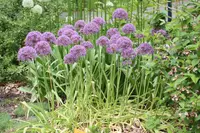
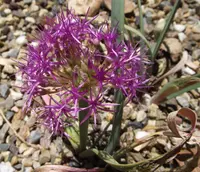
Allium savii is a small bulb-forming perennial from the Mediterranean region, related to ornamental onions and garlic. It grows from underground bulbs and produces slender, upright foliage. In season it typically sends up wiry flower stems topped with rounded clusters of small, starry blossoms in soft shades, adding fine texture to rock gardens or sunny borders. This species favors open, well-drained sites and tolerates relatively dry conditions once established, which can make it low-maintenance in suitable climates. Understanding how to care for Allium savii mainly involves providing strong light, avoiding waterlogged soil, and allowing a dry rest period after flowering.

Care Difficulty
Moderate Care

Light Preference
Full Sun

Water Requirements
Moderate Water

Temperature Preference
Cool Climate

Hardiness Zone
Unknown

Soil Texture
Sandy, Loamy

Soil pH
Slightly acidic (6.5–7.0)

Soil Drainage
Well-drained

Fertilization
Minimal (feed rarely)
Scan your plant to receive care tips personalized for your specific plant
Available on iOS and Android
This bulb prefers bright conditions with several hours of direct sun during its active season.
Watering should support a moist but fast-draining soil during growth and a drier rest period after flowering.
This hardy bulb handles cool winters and mild to warm growing seasons if extremes are limited.
This bulb tolerates typical indoor humidity but prefers slightly dry air.
Allium savii grows best in mineral, sharply drained soil that never stays waterlogged.
This species is suitable for container growing when drainage is carefully controlled.
This bulb is light-feeding and usually needs only modest nutrition in average garden soil.
Pruning needs for this bulb are minimal and focus on hygiene rather than shaping.
This ornamental allium is more often lifted and divided than repotted, especially in garden beds.
Allium savii is commonly propagated by bulb division and sometimes from seed for larger plantings.
This hardy bulb usually needs little winter attention in temperate climates.

Plant Health Check
Not sure what's wrong with your plant? Check your plant's health inside the app.
This bulbous species is naturally restricted to parts of the central Mediterranean, especially coastal and sub‑coastal habitats in Italy and nearby regions, rather than being broadly European like many other ornamental alliums.
It typically grows in dry, open, rocky or stony sites and light scrub, indicating adaptation to shallow, well-drained, nutrient-poor soils with strong sun exposure.
Its inflorescences form loose, not very dense umbels of small, pale to pinkish flowers, a structure that helps distinguish it from closely related species with tighter and more showy heads when botanists key out wild populations.
Lack of flowers usually comes from insufficient light, overcrowded bulbs, or bulbs that are too young or exhausted. Allow foliage to die back naturally after flowering so bulbs recharge, and divide clumps if they have become congested.
Keep your plants happy and healthy with plant identification, disease detection, and easy care guidance.