Row Cover Protection
Use lightweight insect netting or floating row covers from germination until heads begin to form to greatly reduce cabbage worm, flea beetle, and aphid damage without relying heavily on pesticides.

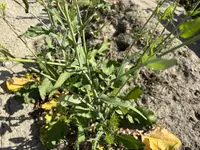
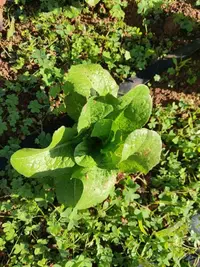
Field mustard, Brassica rapa subsp. pekinensis, is a cool-season leafy vegetable grown for its tender heads and crisp, succulent leaves. It belongs to the Brassica family, which also includes cabbages and mustards.
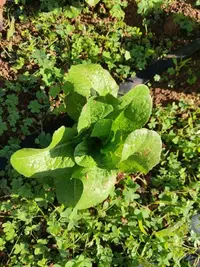
Plants usually form upright, elongated heads or loose rosettes, with pale green to yellow-green foliage. The growth is fast, making it suitable for short-season gardens and quick harvests.
This subspecies likely originated in East Asia and is now cultivated widely in temperate regions for both home gardens and commercial production. Its rapid growth and relatively shallow roots make it sensitive to heat, drought, and inconsistent moisture, which are the main factors that affect how easy or difficult it is to grow.
Gardeners who learn how to care for Field Mustard focus on cool temperatures, even moisture, and fertile, well-drained soil.

Care Difficulty
Moderate Care

Light Preference
Full Sun

Water Requirements
Keep Soil Moist

Temperature Preference
Cool Climate

Hardiness Zone
2–11

Soil Texture
Sandy, Loamy, Silty

Soil pH
Acidic (5.5–6.5), Slightly acidic (6.5–7.0)

Soil Drainage
Moist but well-drained

Fertilization
Moderate (every 2–4 weeks)
Scan your plant to receive care tips personalized for your specific plant
Available on iOS and Android
Chinese cabbage needs consistent sun to form dense, healthy heads in the garden.
Chinese cabbage prefers evenly moist, well‑drained soil to form firm, tender heads.
Chinese cabbage is a cool‑season crop that performs best in mild, stable temperatures.
This cool-season vegetable tolerates a wide humidity range but grows best in moderately moist air.
This plant needs loose, moisture-retentive yet free-draining soil to form dense, healthy heads.
This species can be grown successfully in containers if the pot supports its shallow but spreading root system.
This fast-growing leafy crop benefits from moderate, targeted feeding during its short season.
Pruning needs for Brassica rapa subsp. pekinensis are minimal and mainly hygiene-focused during its brief life cycle.
This cool-season annual is usually transplanted rather than long-term potted, due to its quick maturity and taproot.
This cabbage-type brassica is most commonly propagated by seed for reliable, uniform crops.
This cool-season annual tolerates light frost but is sensitive to prolonged hard freezes below about 20°F.

Plant Health Check
Not sure what's wrong with your plant? Check your plant's health inside the app.
This plant is the domesticated Chinese cabbage type that likely arose in northern China from hybridization between turnip-like B. rapa and leafy forms, then spread widely through East Asian agriculture and cuisine.
Unlike loose-leaf Asian greens, it forms an elongated, layered head with tightly overlapping leaves, a morphology selected by farmers for easier storage, transport, and cooking.
Its leaves and ribs contain notable levels of glucosinolates, sulfur-containing compounds typical of the mustard family that contribute to its mild peppery flavor and characteristic aroma when cooked or fermented.

Genetic and historical evidence indicates that this Chinese cabbage type was already a distinct and important vegetable crop in East Asia by at least the Ming dynasty, long before it became globally known through dishes like kimchi and modern stir-fries.
Yes, this species is edible and widely used as a leafy vegetable and for its young flowering stems. Leaves, tender shoots, and immature seed pods are commonly eaten cooked or raw, depending on local culinary traditions.
Keep your plants happy and healthy with plant identification, disease detection, and easy care guidance.