Garden Lettuce Care (Lactuca sativa var. capitata)

Also known as: Cultivated Lettuce, Lettuce, Cabbage Lettuce
Garden Lettuce

About Garden Lettuce

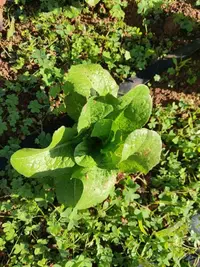
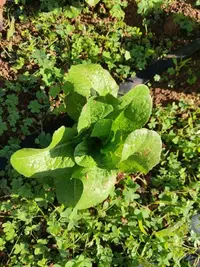
Garden lettuce, Lactuca sativa var. capitata, is a cool-season leafy vegetable grown for its tight, rounded heads of tender leaves. It is widely cultivated and does not have a stable wild habitat, since it has been bred for agriculture over many generations.

Plants form compact rosettes that vary in color from pale green to deep red, with smooth or slightly crinkled leaves depending on the cultivar. Head lettuce is relatively fast-growing and shallow-rooted, which makes it sensitive to heat stress and drying out.

It prefers mild temperatures, consistent moisture, and fertile, well-drained soil, so gardeners who learn how to care for Garden Lettuce usually find it manageable to grow in beds or containers.

Main Plant Requirements

Care Difficulty

Moderate Care

Light Preference

Full Sun

Water Requirements

Keep Soil Moist

Temperature Preference

Cool Climate

Hardiness Zone

2–11

Soil Texture

Loamy, Silty, Organic-rich

Soil pH

Acidic (5.5–6.5), Slightly acidic (6.5–7.0)

Soil Drainage

Moist but well-drained

Fertilization

Moderate (every 2–4 weeks)

Get Personalized Care Plan

Scan your plant to receive care tips personalized for your specific plant

Available on iOS and Android

How to Care for the Garden Lettuce

Head lettuce thrives in cool conditions with consistent light exposure for compact, tender heads.

  • Provide 4–6 hours of direct morning sun plus bright light the rest of the day; in hot summers, use afternoon shade or 30–40% shade cloth to reduce stress.
  • Tolerates partial shade, especially in late spring and summer; 3–4 hours of direct early sun can still support steady growth and prevent bitterness.
  • Excessive strong midday sun in warm climates can cause tip burn and bolting, while too little light produces elongated, loose heads with pale leaves.

Head lettuce needs steadily moist but not saturated soil for crisp, even growth.

  • Aim for soil that feels evenly moist to 10–15 cm depth; water when the top 2–3 cm begin to dry, using gentle, low-pressure watering to avoid soil compaction.
  • Choose loose, well-drained soil with added compost so Lactuca sativa var. capitata roots receive both moisture and air, reducing root rot risk.
  • In hot, windy weather, check beds daily for drooping outer leaves, and reduce watering slightly in cool, overcast periods to avoid yellowing, slimy foliage from overwatering.

Head lettuce prefers cool conditions and declines quickly in strong heat or hard frost.

  • Optimal growth occurs around 55–70°F (13–21°C); leaves stay tender and heads form tightly in this range.
  • Plants tolerate brief dips to 28–30°F (-2– -1°C) with some protection, but repeated hard frosts damage outer leaves and can kill young seedlings.
  • Sustained temperatures above 75–80°F (24–27°C) encourage bolting and bitterness; in warm seasons, use shade cloth and cool soil through mulching to extend the harvest window.

Head lettuce prefers moderately moist air but humidity is rarely a critical factor outdoors.

Lactuca sativa var. capitata performs best in loose, moist, well-drained soil that supports steady, shallow root growth.

  • Use a loamy, crumbly soil rich in organic matter to hold moisture without becoming sticky or compacted.
  • Aim for pH 6.0–7.0; blend garden soil with 30–50% compost to improve fertility and structure.
  • For heavier soils, mix in coarse sand or perlite to increase aeration and speed surface drainage after irrigation or rain.
  • Avoid waterlogged clay and very sandy, nutrient-poor soil, which both cause poor head formation and bitter leaves.

This lettuce is well suited to container growing for compact, controlled harvests.

  • Choose a wide container at least 15–20 cm deep so shallow roots can spread horizontally and anchor the head firmly.
  • Use a light, compost-rich mix that drains quickly but retains surface moisture, rather than dense garden soil alone.
  • Select lighter-colored pots in full sun to reduce root-zone overheating, which shortens harvest window and speeds bolting.

Head lettuce benefits from modest, targeted feeding rather than heavy fertilization.

  • Before planting, mix compost or well-rotted manure into the top 10–15 cm of soil for steady nutrients.
  • During active growth, apply a diluted balanced NPK liquid feed at 1/2 strength every 2–3 weeks if soil is poor.
  • Reduce feeding in mid-summer heat and in winter, as growth slows and excess nitrogen can cause weak, soft leaves.
  • For Garden Lettuce in pots, use a light, slow-release organic fertilizer in spring, avoiding high-nitrogen formulas.

Pruning Lactuca sativa var. capitata is minimal and centers on harvest and hygiene rather than shaping.

  • Harvest outer leaves or whole heads in the cool part of the day, cutting cleanly at the base with sharp scissors or a knife.
  • Remove yellowing, damaged, or pest-infested leaves promptly to reduce disease spread and improve air flow.
  • Thin crowded seedlings at 2–3 true leaves to prevent competition and encourage uniform head formation.
  • Avoid cutting into the developing central head except at final harvest, to maintain tight, compact growth.

Head lettuce is usually transplanted rather than long-term potted, with emphasis on gentle handling of roots.

  • Transplant when seedlings have 3–4 true leaves and roots lightly fill the plug or small cell, before circling develops.
  • Move plants outdoors in cool seasons, typically early spring or late summer, spacing to allow full head development.
  • Water seedlings well a few hours before transplanting, then plant at the same depth and firm soil gently around roots.
  • Reduce transplant shock by watering immediately after planting, shading for 2–3 days, and avoiding hot midday moves.

Head lettuce is propagated almost exclusively from seed for uniform, fast crops.

  • Sow seeds in early spring or late summer when daytime temperatures are around 60–70°F for best germination.
  • Use shallow seed trays or plug cells with fine, moist seed-starting mix, covering seeds very lightly or just pressing in.
  • Maintain even moisture and bright, indirect light; avoid waterlogging, which increases damping-off disease risk.
  • Transplant seedlings outdoors once they have 3–4 true leaves and conditions are cool and frost risk is low.

Head lettuce is cool-season but only moderately frost tolerant, so light winter protection is helpful in many regions.

  • In mild climates, use low tunnels, cold frames, or row covers to buffer freezing nights and wind.
  • Mulch lightly around plants with straw or leaves, keeping material off the crowns to prevent rot.
  • For containers, move pots to a sheltered, unheated but frost-sheltered area with good light and drainage.

Care Tips

Staggered Succession Sowing

Sow small batches every 7–10 days instead of one large planting so heads mature in waves, giving a steady harvest and reducing loss from a single heat spike or pest outbreak.

Shade Management In Heat

In late spring and summer, install 30–40% shade cloth over beds from late morning to late afternoon to slow bolting, reduce tip burn, and keep heads denser and sweeter.

Targeted Slug Barriers

Place rough copper tape or rings around bed edges and use iron phosphate slug pellets at dusk around rows, keeping pellets off the leaves, to protect outer leaves and hearts from heavy slug damage.

Harvest Heads Strategically

Cut mature heads early in the morning with a clean, sharp knife just above the crown, leaving the root in place, which can often produce a small second flush of loose leaves.

Tight Spacing For Blanching

Plant at the closer end of the recommended spacing range and remove only damaged outer leaves so the heads self-shade, which helps inner leaves stay pale, crisp, and mild while growing Garden Lettuce.

Common Pests and Diseases

Aphids

These insects cluster on young leaves and stems, sucking sap and causing curling, yellowing, and sticky honeydew that can attract sooty mold.

Solution

Spray plants with a strong stream of water to dislodge colonies, then use insecticidal soap or a neem oil solution to cover leaf undersides and growing tips; repeat every 5–7 days until populations drop. Removing heavily infested outer leaves and controlling nearby ant activity also helps when caring for Garden Lettuce outdoors or in containers.

Downy mildew

This disease causes pale to yellow angular spots on upper leaf surfaces and grayish to purplish fuzzy growth on the undersides, especially in cool, humid conditions.

Solution

Improve spacing and airflow, irrigate at soil level in the morning, and avoid overhead watering to keep foliage dry. Remove and discard infected leaves promptly and rotate crops for at least 2–3 years; in severe cases, use a copper-based fungicide according to label directions as a preventive spray on new growth.

Lettuce mosaic virus

This disease leads to mottled, distorted leaves, stunting, and reduced head formation, often starting as light and dark green mosaic patterns between veins.

Solution

Remove and destroy symptomatic plants immediately to reduce virus spread and control aphids, which act as vectors, with insecticidal soap or reflective mulch. Plant only certified virus-free seed and avoid saving seed from potentially infected plants to protect future crops.

Bottom rot

Symptoms include brown, sunken lesions at the base of the plant where leaves touch the soil, progressing to rotting of lower leaves and collapse of the head.

Solution

Keep lower leaves off wet soil by using clean mulch and watering at the base early in the day so surfaces dry quickly. Remove affected plants, avoid planting lettuce in the same bed for 2–3 years, and improve drainage to limit the soil-borne fungus Rhizoctonia solani.

Cutworms

These pests are soil-dwelling caterpillars that sever young seedlings at or just above the soil surface, often leaving wilted or toppled plants overnight.

Solution

Place cardboard or plastic collars around young transplants to form a barrier, and hand-pick cutworms in the evening by gently scraping soil near stems. Keeping beds free of plant debris and tilling lightly before planting helps expose and reduce overwintering larvae.

Interesting Facts

Genetic basis of heading

Head-forming butterhead and crisphead lettuces carry mutations that alter how leaves overlap and curl inward, creating the dense, spherical heads that distinguish them from loose-leaf lettuce types.

Domestication from wild lettuce

This head lettuce type was domesticated from the prickly wild lettuce Lactuca serriola in the Mediterranean region, with selection over centuries for reduced bitterness, softer leaves, and compact head formation.

Low bitterness chemistry

Compared with its wild ancestor, this variety produces much lower levels of bitter latex compounds called sesquiterpene lactones in the edible leaves, while still retaining these compounds at higher levels in the stem and older tissues.

Botan icon

Did you know?

Some head lettuces of this variety were historically selected to remain crisp and palatable even under long summer days, making them important crops in higher-latitude regions where extended daylight can otherwise trigger premature bolting and loss of quality.

FAQs about Garden Lettuce

Yellowing leaves usually result from excess moisture, nitrogen deficiency, or natural aging of outer leaves. Check drainage, avoid waterlogging, and use a balanced fertilizer. Older outer leaves can be removed once they yellow and soften.

Grow Healthy Plants with Botan Care

Keep your plants happy and healthy with plant identification, disease detection, and easy care guidance.

Botan plant care app — identify plants on mobile

Explore More Plants