Garden Lettuce Care (Lactuca sativa var. crispa)

Also known as: Cultivated Lettuce, Lettuce, Cutting Lettuce
Garden Lettuce

About Garden Lettuce

Garden lettuce, Lactuca sativa var. crispa, is a cool-season leafy vegetable grown mainly for its tender, curly leaves. It is usually cultivated as an annual in home gardens and containers. Plants form loose rosettes rather than tight heads and come in shades of green to deep red, often with crisp, finely frilled foliage. This form is widely used for cut-and-come-again harvests, where outer leaves are picked while the plant continues growing. In cultivation it prefers mild temperatures, consistent moisture, and loose, fertile soil, which makes it well suited to spring and fall cropping. Its fast growth and relatively shallow roots make it straightforward to care for Garden Lettuce in most temperate climates.

Main Plant Requirements

Care Difficulty

Moderate Care

Light Preference

Full Sun

Water Requirements

Keep Soil Moist

Temperature Preference

Cool Climate

Hardiness Zone

2–11

Soil Texture

Loamy, Sandy, Organic-rich

Soil pH

Acidic (5.5–6.5), Slightly acidic (6.5–7.0)

Soil Drainage

Moist but well-drained

Fertilization

Moderate (every 2–4 weeks)

Get Personalized Care Plan

Scan your plant to receive care tips personalized for your specific plant

Available on iOS and Android

How to Care for the Garden Lettuce

Looseleaf lettuce thrives in cool, bright conditions with protection from harsh midday sun.

  • Provide 4–6 hours of direct morning sun or light afternoon shade; in hotter regions, use filtered light after 11 a.m. to reduce stress.
  • Plants tolerate partial shade, especially in late spring and summer; Garden Lettuce often lasts longer before bolting when shaded during the hottest part of the day.
  • Watch for pale, leggy growth as a sign of insufficient light, and scorched, crispy leaf edges as a sign of too much intense sun.

Looseleaf lettuce needs consistently moist, fast-draining soil to form tender leaves and avoid stress.

  • Aim to keep the top 2–3 cm of soil slightly damp; water when this layer feels dry to the touch rather than on a fixed schedule.
  • Use soil rich in organic matter that drains well; standing water or a sour smell indicates poor drainage and raises the risk of root rot in Lactuca sativa var. crispa.
  • In hot, windy weather, check moisture daily; wilting at midday that does not recover by evening suggests underwatering, while yellowing, limp leaves can signal overwatering.

Looseleaf lettuce prefers cool conditions and declines quickly in sustained heat or hard frost.

  • Target an optimal growing range of 55–70°F (13–21°C); growth slows above 75°F (24°C) and quality drops as leaves turn bitter.
  • Plants tolerate light frosts around 30–32°F (-1–0°C) but repeated freezes below 28°F (-2°C) can kill young seedlings or damage outer leaves.
  • In warm seasons, use shade cloth or plant for spring and fall harvests to avoid long periods above 80°F (27°C), which promote bolting and poor texture.

Leaf lettuce grows best in relatively cool, moderately moist air but usually handles typical outdoor humidity ranges.

  • Aim for 50–70% humidity in sheltered or greenhouse setups to reduce leaf edge drying and tip burn.
  • Expect faster wilting, bitter flavor, and marginal burn in very dry air combined with wind or heat above 80°F.
  • Increase humidity around Garden Lettuce with light overhead misting in the morning and by using windbreaks that reduce drying air movement.

Lactuca sativa var. crispa prefers loose, moist, well-drained soil that holds nutrients yet never becomes waterlogged.

  • Use a friable loam enriched with 25–40% finished compost to provide structure, organic matter, and steady nutrient release.
  • Aim for pH 6.0–7.0; add garden lime if soil is acidic or elemental sulfur if pH is above 7.2.
  • Improve drainage and aeration by incorporating coarse sand or perlite into heavy clay and breaking up compaction before sowing.
  • Avoid dense, soggy sites, salty soils, or fresh manure, which can cause root stress, weak growth, and increased disease pressure.

This lettuce is highly suitable for container growing on balconies, patios, and small outdoor spaces.

  • Choose a wide container at least 15–20 cm deep so roots can spread laterally and heads do not crowd each other.
  • Use a heavier clay or ceramic pot in windy spots to prevent shallow-rooted plants from toppling as foliage matures.
  • Elevate the pot slightly on blocks or pot feet so drainage holes clear freely and excess irrigation water exits quickly.

Leafy lettuce such as Lactuca sativa var. crispa benefits from modest, steady nutrition for tender growth.

  • Before planting, mix in compost or well-rotted manure to enrich the bed without overloading nutrients.
  • During active growth, apply a balanced soluble fertilizer (for example 10-10-10) at 1/2 strength every 2–3 weeks.
  • Use slow-release granules only in lean soils, following label rates and keeping pellets off leaves.
  • In winter or during heat-induced dormancy, reduce feeding sharply or stop until active growth resumes.

Lactuca sativa var. crispa is managed more by harvesting than by classic pruning.

  • Harvest outer leaves with clean scissors or a sharp knife, leaving the center to keep plants compact and productive.
  • Remove yellowing, damaged, or slug-eaten leaves whenever seen to limit disease spread and improve air flow.
  • Thin crowded seedlings early, cutting extras at soil level to reduce root disturbance and encourage stronger remaining plants.
  • Cut entire heads at the base when mature if a single harvest is preferred, leaving roots to decompose in the soil.

Garden lettuce is usually grown as a short-term crop, so transplanting timing matters more than long-term repotting.

  • Start seeds in cell trays or small pots and transplant when seedlings have 2–3 true leaves and roots just fill the cells.
  • Move plants on a cool, overcast day in early spring or fall to limit stress and reduce transplant shock.
  • Space transplants 20–30 cm apart in loose, moist soil, planting at the same depth as in the tray.
  • Water gently but thoroughly after transplanting and shade for 1–2 days if sun is strong to help roots re-establish.

New plants of Lactuca sativa var. crispa are almost always raised from seed rather than vegetative methods.

  • Sow fresh seed in early spring or late summer, indoors or outdoors, as lettuce prefers cool conditions for germination.
  • Provide 60–70°F soil, consistent moisture, and light coverage of seed, since lettuce needs some light to germinate well.
  • Thin seedlings to the strongest plants once they have 2–3 true leaves, using clean scissors to avoid root disturbance.
  • For succession crops, repeat sowings every 2–3 weeks during suitable temperatures to maintain a steady harvest.

Lettuce is a cool-season annual with limited frost tolerance and only modest winter care needs.

  • In mild climates, use a light mulch or floating row cover to buffer light frosts and wind exposure.
  • In colder areas, grow in an unheated greenhouse or cold frame to extend the season into winter.
  • Move container-grown plants into a bright, cool, frost-free area and avoid waterlogging in cold soil.

Care Tips

Staggered Succession Sowing

Sow short rows every 7–10 days instead of one large planting so heads mature in waves, keeping harvest quality high and reducing losses from sudden heat or pest outbreaks.

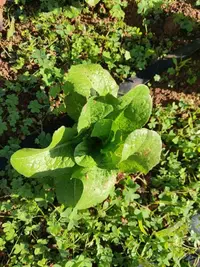
Shade Net For Heat

In late spring and summer, install 30–40% shade cloth over beds during the hottest part of the day to slow bolting, reduce tipburn, and maintain sweeter, crisper leaves.

Targeted Slug Barriers

Place 2–3 cm copper tape rims or rough diatomaceous earth bands around beds or containers before seedlings are transplanted to protect tender leaves from slug and snail feeding without spraying the crop.

Clean Harvest Technique

Use a sharp, disinfected knife to cut heads just above the crown in the cool morning, then cool them quickly in shaded water or a refrigerator to preserve texture and shelf life.

Soil Cooling Mulch

Apply a light-colored organic mulch layer 1–2 cm thick around plants once seedlings are established to keep soil cooler, reduce evaporation, and support more stable growth when growing Garden Lettuce in warmer periods.

Common Pests and Diseases

Aphids

These insects cluster on young leaves and stems, sucking sap and causing curling, distortion, and sticky honeydew that can lead to sooty mold. Symptoms include slowed growth and deformed inner leaves in dense heads or rows.

Solution

Spray plants with a firm stream of water to dislodge colonies, then use insecticidal soap or neem oil, ensuring thorough coverage of leaf undersides and growing points. Reduce nearby weeds that host aphids and encourage natural predators such as lady beetles by avoiding broad-spectrum insecticides.

Cutworms

These caterpillars feed at or just below the soil line, often cutting off young seedlings overnight. Symptoms include healthy seedlings suddenly wilting and falling over with chewed stems near the base.

Solution

Place collars made from stiff paper or plastic around seedling stems, pushed 2–3 cm into the soil to block feeding. Hand-pick cutworms in the evening, cultivate lightly between rows to expose hiding larvae, and keep plant debris and heavy mulch away from seedling bases.

Downy mildew

This disease causes pale yellow to light green angular spots on upper leaf surfaces and grayish-purple fuzzy growth on undersides, especially in cool, humid conditions. Symptoms include reduced vigor and unmarketable leaves that quickly deteriorate after harvest.

Solution

Improve air circulation by wider spacing, thinning dense plantings, and watering at soil level in the morning instead of overhead. Remove and discard heavily infected leaves, avoid overhead irrigation during cool evenings, rotate out of lettuce and other leafy hosts for 2–3 years, and use resistant varieties when available for growing Garden Lettuce.

Lettuce mosaic virus

This disease leads to mottled, yellowed, and distorted leaves, stunting, and poor head or leaf development. Symptoms include uneven plant size in the same bed and reduced yield and quality.

Solution

Remove and discard infected plants promptly, as there is no cure once symptoms appear. Use certified virus-free seed, control aphid populations that spread the virus, and avoid saving seed from potentially infected plants to reduce future outbreaks.

Bottom rot

This disease, caused by Rhizoctonia, starts on lower leaves touching the soil, creating brown, sunken lesions that can spread into the crown. Symptoms include rotting of outer leaves at the soil line and heads that deteriorate quickly, often with visible brown fungal growth on the underside of leaves.

Solution

Avoid letting leaves sit directly on wet soil by using raised beds, proper spacing, and careful irrigation that keeps the soil surface from staying saturated. Remove affected plants and surrounding debris, rotate crops so lettuce does not follow other susceptible leafy vegetables, and keep beds well-drained to reduce infection pressure.

Interesting Facts

Leaf shape diversity

This looseleaf lettuce type forms rosettes of deeply curled or frilled leaves rather than a tight head, and breeders have developed a wide range of shapes from finely ruffled to broad, oak-like lobes within this same botanical variety.

Cool-season specialist

It is physiologically adapted as a cool-season annual, forming the best quality leaves under relatively short days and mild temperatures, while longer, warmer days trigger a rapid shift from leaf growth to flowering and seed production.

Fast juvenile growth

Among cultivated lettuces, this variety is known for its quick vegetative development, often reaching baby-leaf harvest stage within only a few weeks from sowing under favorable cool conditions.

Botan icon

Did you know?

Looseleaf forms of garden lettuce, including this variety, were already described and illustrated in 16th-century European herbals, showing that highly frilled, non-heading lettuces were distinct and valued horticultural types several centuries before modern breeding programs.

FAQs about Garden Lettuce

Brown leaf edges usually result from heat stress, inconsistent moisture, or high fertilizer salts. Provide cooler conditions, keep soil evenly damp but not waterlogged, and reduce strong fertilizer. Remove damaged leaves to limit rot and improve airflow.

Grow Healthy Plants with Botan Care

Keep your plants happy and healthy with plant identification, disease detection, and easy care guidance.

Botan plant care app — identify plants on mobile

Explore More Plants