Virginia mountainmint Care (Pycnanthemum virginianum)

Also known as: common mountain mint
Virginia mountainmint

About Virginia mountainmint

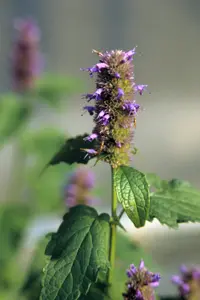
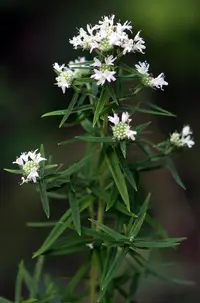
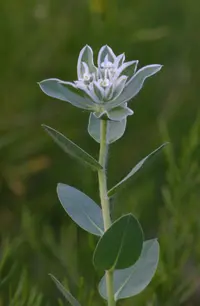
Virginia mountainmint, Pycnanthemum virginianum, is a hardy perennial herb in the mint family, valued for its aromatic foliage and pollinator-friendly flowers. It forms upright clumps with narrow, gray-green leaves and dense clusters of small white to pale lavender blooms often speckled with purple.

This species is native to eastern and central North America, where it grows in prairies, open woods, and moist meadows. It is generally easy to care for Virginia mountainmint, as it tolerates a range of soils and moderate drought once established.

The plant prefers full sun to light shade and consistent but not waterlogged moisture, making it suitable for naturalistic borders, meadow plantings, and ecological gardens focused on insects and wildlife.

Main Plant Requirements

Care Difficulty

Easy Care

Light Preference

Full Sun

Water Requirements

Moderate Water

Temperature Preference

Cold Hardy

Hardiness Zone

4–8

Soil Texture

Sandy, Loamy, Clay

Soil pH

Slightly acidic (6.5–7.0), Neutral (7.0)

Soil Drainage

Moist but well-drained

Fertilization

Minimal (feed rarely)

Get Personalized Care Plan

Scan your plant to receive care tips personalized for your specific plant

Available on iOS and Android

How to Care for the Virginia mountainmint

This sun-loving perennial thrives in open sites but tolerates some shade in hot regions.

  • Provide 6–8 hours of direct sun daily; morning sun with light afternoon shade works well in hotter climates.
  • In regions with intense summer heat, protect Virginia mountainmint from harsh late-afternoon sun to reduce leaf scorch and moisture stress.
  • In partial shade (around 3–4 hours of sun), stems may elongate and flower production can drop, so choose the brightest site available.

This species prefers consistent soil moisture but does not tolerate long-term waterlogging.

  • Water when the top 3–5 cm of soil feels dry, targeting deep soaking rather than light, frequent splashes, especially during establishment.
  • During hot, dry periods, increase watering frequency; in cool or rainy seasons, pause until soil surface begins to dry to avoid root stress.
  • Watch for wilting, crisp leaves, and slow growth as signs of underwatering, and yellowing lower leaves or a sour soil smell as possible overwatering in Pycnanthemum virginianum.

This hardy perennial tolerates a wide temperature range typical of temperate climates.

  • Active growth is strongest around 65–80°F (18–27°C), which supports steady stem development and flowering.
  • Mature plants tolerate winter lows near -20°F (-29°C) in the ground, dying back above soil while crowns and roots overwinter.
  • Heat tolerance is good up to about 90–95°F (32–35°C) if soil moisture is maintained; prolonged extreme heat with drought can stunt growth and reduce flowering.

This species tolerates a wide humidity range and rarely needs special humidity management outdoors.

Pycnanthemum virginianum prefers moderately fertile, well-drained soil that does not stay waterlogged.

  • Use a loamy or sandy-loam soil with some organic matter to support moisture retention without becoming heavy.
  • Aim for slightly acidic to neutral pH, roughly 6.0–7.0, which suits most garden mixes in temperate regions.
  • In heavy clay, mix in coarse sand and compost to improve drainage and aeration before planting.
  • Avoid compacted, constantly soggy, or peat-only substrates, which encourage root rot and weak, lanky growth.

This species can be grown in containers if the pot allows enough depth and drainage for its vigorous roots.

  • Choose a container at least 30 cm deep so spreading roots have room, which helps prevent drying out too quickly on hot days.
  • Use a heavy or weighted pot if placed in windy, open sites, since tall summer stems can make the container unstable.
  • Select a fast-draining mix and lift the pot slightly off solid surfaces so drainage holes remain unobstructed after rain or irrigation.

This native mint usually thrives in average soil and needs only light fertilization for best growth.

  • Use a thin layer of compost or a low-rate balanced 10-10-10 or 5-5-5 fertilizer in early spring as Virginia mountainmint resumes growth.
  • Apply once per growing season; avoid repeated feeding, which encourages weak, floppy stems.
  • Dilute liquid products to 1/2–1/4 strength and water the soil only, keeping fertilizer off leaves.
  • Skip fertilizing during winter dormancy and in very fertile or amended garden soils.

Pruning supports dense growth and sustained flowering in Pycnanthemum virginianum.

  • Cut back stems by 1/3 in late spring to early summer to encourage branching and a fuller clump.
  • Shear spent flower stems in late summer or early fall to tidy plants and sometimes extend bloom.
  • Remove dead, damaged, or diseased stems at the base whenever noticed using clean, sharp pruners.
  • Leave some stems standing over winter for wildlife habitat, then trim them to the base in early spring.

This species is usually grown in the ground, where it forms spreading clumps that rarely need moving.

  • Transplant in early spring or early fall when weather is cool and soil is moist.
  • Divide crowded clumps every 3–5 years, especially if centers thin or flowering declines.
  • Lift the clump with a shovel, gently separate sections with healthy roots, and replant at the same depth.
  • Water thoroughly after transplanting and keep soil evenly moist for 1–2 weeks to limit root stress.

Pycnanthemum virginianum is commonly propagated by division, stem cuttings, or seed.

  • Divide established clumps in early spring or early fall, replanting vigorous sections with several shoots and roots.
  • Take 7–10 cm softwood cuttings in late spring, remove lower leaves, and root in moist, well-drained medium.
  • Maintain bright, indirect light and high humidity around cuttings until new roots form.
  • Sow seeds outdoors in fall or after 4–6 weeks of cold, moist stratification to improve germination.

This cold-hardy perennial needs minimal winter care in most USDA zones where it is grown.

  • Tolerates typical Midwestern and Northeastern winters once established in well-drained soil.
  • After hard frost, stems can be left standing for structure and beneficial insects, then cut back in early spring.
  • Apply a light 3–5 cm mulch layer in colder regions to moderate freeze–thaw cycles around roots.
  • Move container-grown plants into a sheltered, unheated but frost-free or minimally freezing spot with good drainage.

Care Tips

Divide Aging Clumps

Every 3–4 years, lift and divide dense clumps in early spring or early fall to maintain vigor, reduce crowding, and generate new plants for other parts of the garden.

Use Subtle Containment

In small beds, install a 15–20 cm deep root barrier or plant in a bottomless container sunk in the ground to keep spreading rhizomes from overtaking slower neighbors.

Plan For Pollinators

When planning layouts for growing Virginia mountainmint, group 5–9 plants together in blocks so pollinators can forage efficiently and the visual effect is stronger during bloom.

Cut For Longer Bloom

Shear back spent flowering stems by about one-third after the main flush to encourage a tidier habit and a lighter, extended rebloom later in the season.

Monitor Self‑Seeding

If you want to limit self‑sown seedlings, remove most seed heads as they turn brown, leaving only a few for wildlife or naturalizing where extra plants are welcome.

Common Pests and Diseases

Leaf spot

This disease causes small brown to tan lesions on leaves that may merge into larger blotches under prolonged leaf wetness. Symptoms include premature yellowing and shedding of lower foliage in humid, crowded plantings.

Solution

Remove and dispose of heavily spotted leaves to reduce inoculum, and avoid overhead watering so foliage dries quickly. Improve spacing and airflow, water at soil level in the morning, and, if leaf spot becomes severe in valuable plantings, consider a labeled copper or chlorothalonil fungicide applied according to Virginia mountainmint care instructions and local regulations.

Powdery mildew

This disease produces a white to gray, powdery coating on upper leaf surfaces, especially during warm days and cool, humid nights. Symptoms include reduced vigor and distorted new growth when infections are heavy.

Solution

Increase sun exposure where possible, thin dense clumps to improve airflow, and avoid excess nitrogen that promotes soft, susceptible foliage. Remove heavily infected stems and, if needed, apply a sulfur or potassium bicarbonate fungicide labeled for ornamentals, following label directions carefully.

Aphids

These insects cluster on tender stems and undersides of leaves, sucking sap and excreting sticky honeydew that can attract sooty mold. This pest can cause curled, distorted new growth and reduced flowering when populations are high.

Solution

Dislodge colonies with a strong stream of water, repeating every few days, and encourage natural predators such as lady beetles by avoiding broad-spectrum insecticides nearby. For persistent infestations, use insecticidal soap or horticultural oil, coating stems and leaf undersides thoroughly while treating in the early morning or late evening to prevent leaf burn.

Spider mites

These pests are tiny sap-feeding arachnids that cause fine stippling and a dull, grayish cast to leaves, often with delicate webbing between stems in hot, dry conditions. Symptoms include leaf bronzing and premature drop when populations build up.

Solution

Increase humidity around the plants and rinse foliage with a firm spray of water, paying attention to leaf undersides, on a regular schedule. If damage continues, apply horticultural oil or insecticidal soap labeled for mites, repeating as directed, and reduce plant stress through consistent watering during drought.

Rust

This disease produces small orange to brown pustules on the undersides of leaves, sometimes with yellow spots on the upper surfaces. Symptoms include gradual thinning of foliage and reduced vigor in repeatedly infected clumps.

Solution

Promptly remove and discard affected leaves and cut back heavily infected stems to limit spore spread. Water at soil level, improve air circulation by dividing or thinning dense stands, and in severe, recurring cases use a labeled rust fungicide on new growth early in the season, following all label instructions.

Interesting Facts

Cool-feeling foliage

When the leaves are gently crushed, the foliage releases menthol-like compounds that make the plant feel noticeably cool to the touch, which is why it is commonly called Virginia mountainmint.

Specialist pollinator support

The dense heads of tiny white flowers with purple spots provide long-lasting nectar resources for a wide range of native bees, including some specialist sweat bees that are closely associated with mountainmints in eastern North America.

Clump-forming root system

This species spreads by short rhizomes, forming tight clumps rather than aggressively running, which makes it more manageable in gardens than some other mint relatives while still providing good ground coverage.
Botan icon

Did you know?

Virginia mountainmint often grows naturally along sunny stream banks and moist prairies where its dense, aromatic foliage helps deter many generalist herbivores, allowing it to form stable patches that structure local insect communities.

FAQs about Virginia mountainmint

This species spreads by short rhizomes and self-seeding, forming clumps that slowly enlarge. In typical garden beds it is not strongly aggressive, but in lean, open soils it can create dense patches over time.

Grow Healthy Plants with Botan Care

Keep your plants happy and healthy with plant identification, disease detection, and easy care guidance.

Botan plant care app — identify plants on mobile

Explore More Plants