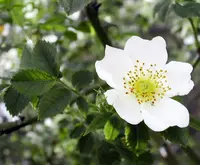
Rose Care (Rosa 'Mister Lincoln')

Rose

About Rose

Rosa 'Mister Lincoln' is a classic hybrid tea rose, grown mainly as a garden ornamental and sometimes for cutting. It is known for large, deep red blooms with a strong fragrance. Plants usually form an upright, bushy shrub with long flowering stems and glossy, dark green foliage. They are commonly grown in home gardens rather than occurring in the wild. This cultivar can be moderately demanding, as it benefits from regular pruning, feeding, and good air circulation to reduce disease. It prefers full sun, moist but well-drained soil, and consistent care for Rose to keep flowering well.

Main Plant Requirements

Care Difficulty

Moderate Care

Light Preference

Full Sun

Water Requirements

Regular Water

Temperature Preference

Cold Hardy

Hardiness Zone

5–9

Soil Texture

Loamy, Sandy, Organic-rich

Soil pH

Acidic (5.5–6.5), Slightly acidic (6.5–7.0)

Soil Drainage

Moist but well-drained

Fertilization

Moderate (every 2–4 weeks)

Get Personalized Care Plan

Scan your plant to receive care tips personalized for your specific plant

Available on iOS and Android

How to Care for the Rose

This hybrid tea rose performs best with abundant direct sun exposure for strong flowering and healthy growth.

  • Provide 6–8 hours of direct sun daily, ideally with morning sun and some protection from harsh late-afternoon summer sun in hotter regions.
  • Plant in an open, unshaded spot; light, dappled afternoon shade is acceptable but dense shade reduces blooms, leads to weak stems, and increases disease risk.
  • In autumn and winter, lower sun intensity is usually acceptable, but avoid permanent shade from buildings or trees that limits direct light below about 4 hours.

This rose prefers deep, infrequent watering that keeps the root zone moist but never saturated.

  • Water when the top 3–5 cm of soil feel dry, applying a slow soak at the base so moisture reaches 20–30 cm deep, then allow the surface to dry again.
  • Use well-drained soil or raised beds; persistent wetness, sour smell, or yellowing lower leaves suggest overwatering or poor drainage, which favors root disease.
  • In hot, dry periods, monitor daily for drooping foliage and dry soil; reduce frequency in cool or rainy weather, and avoid frequent light sprinklings that only wet the surface.

This rose is a hardy garden shrub that prefers moderate temperatures and tolerates a range of seasonal conditions.

  • Active growth and flowering are best around 65–80°F (18–27°C); in this range, buds form well and foliage remains sturdy and disease pressure is lower.
  • The shrub tolerates winter down to about 10–15°F (-12– -9°C) with mulching; in colder climates, protect the graft union with 5–10 cm of soil or mulch before hard freezes.
  • During spells above 90°F (32°C), provide extra mulch and consistent soil moisture; combined heat and drought can cause smaller blooms, crispy leaf edges, and faster fading flowers.

This hybrid tea rose tolerates a wide humidity range and rarely needs special humidity management outdoors.

Rosa 'Mister Lincoln' grows best in deep, well-aerated, moisture-retentive but free-draining soil.

  • Aim for a loamy structure enriched with 25–40% compost to support strong root growth and flower production.
  • Keep pH slightly acidic to neutral, around 6.0–7.0, amending alkaline soil with elemental sulfur if needed.
  • In heavy clay, improve drainage and aeration by incorporating coarse sand and fine bark or perlite through the top 30–40 cm.
  • Avoid compacted, waterlogged, or very shallow soils, which promote root rot and weak, disease-prone shoots.

This rose is suitable for container growing when given a large, stable pot and careful watering control.

  • Choose a pot at least 45–50 cm deep to accommodate the long taproot and prevent the plant from becoming root-bound too quickly.
  • Use a heavy, wide-based container to reduce tipping risk from tall, top-heavy stems and wind exposure.
  • Select a pot material that moderates moisture swings, such as thick-walled clay or glazed ceramic, to keep the root zone more stable.

Rosa 'Mister Lincoln' responds well to moderate, consistent feeding during the active growing season.

  • Use a balanced granular or liquid fertilizer (around 10-10-10 or 12-12-12) or well-rotted compost as the primary nutrient source.
  • Feed every 4–6 weeks from early spring to mid-summer, then stop by late summer to allow stems to harden.
  • Apply liquids at 1/2–3/4 label strength on moist soil to avoid root burn and leaf scorch.
  • Avoid feeding during winter dormancy; rely only on compost or mulch to maintain soil health.

Rosa 'Mister Lincoln' benefits from structured pruning to maintain vigor and abundant flowering.

  • Carry out main pruning in late winter or very early spring, before buds break but after the hardest frosts pass.
  • Remove dead, diseased, weak, and crossing stems first, cutting back to healthy outward-facing buds.
  • Shape the bush by keeping 4–6 strong canes, shortening them to encourage sturdy new flowering shoots.
  • Use sharp, clean bypass pruners and make angled cuts just above buds to reduce disease entry points.

This hybrid tea rose is usually grown in-ground, so focus on careful transplanting rather than frequent repotting.

  • Transplant in early spring or fall when temperatures are mild and the plant is not in peak bloom.
  • Look for poor vigor, roots circling a pot, or drying out very quickly as signs a container Rose needs a larger space.
  • Move into a hole or container only slightly larger than the root ball, using well-drained, fertile soil at the same planting depth.
  • Water deeply after moving, shade from intense sun for a few days, and keep soil evenly moist to limit transplant shock.

Rosa 'Mister Lincoln' is most often propagated by stem cuttings rather than from seed.

  • Take semi-hardwood cuttings in late spring to midsummer from healthy, non-flowering shoots 15–20 cm long.
  • Remove lower leaves, keep 2–3 upper leaflets, and dip the cut end in rooting hormone to improve success.
  • Insert cuttings into a sterile, well-drained medium such as perlite and peat or a similar mix.
  • Maintain high humidity, gentle bottom warmth if available, and bright, indirect light until firm rooting develops.

This rose has moderate cold tolerance but benefits from simple winter protection in colder regions.

  • In USDA zones 5–6, mound 10–15 cm of soil or compost around the base after hard frost to insulate the graft.
  • Apply a 5–8 cm mulch layer over the root zone to stabilize soil temperature and moisture.
  • In very cold or exposed sites, add a breathable burlap wrap or shrub cover around canes without trapping wet foliage.
  • Move container plants into an unheated garage or sheltered area where temperatures stay near freezing but not far below.

Care Tips

Sturdy stem support

Install a single, strong stake on the windward side and loosely tie the main cane with soft, flat ties to keep tall flower stems upright without rubbing or cutting into the bark.


Bud thinning strategy

On strong shoots, remove side buds and keep only the central bud to produce fewer but larger, exhibition-quality flowers with longer stems.

Targeted black spot control

Begin a preventive fungicide rotation in early spring and repeat at label intervals, focusing sprays on the lower leaves and around the base where black spot spores commonly splash up from the soil.

Deep mulch collar

Maintain a 5–8 cm deep organic mulch ring that stops 5 cm short of the stem to conserve soil moisture, insulate roots, and reduce weed competition without keeping the crown constantly damp.

Cutting hygiene routine

Disinfect pruners with 70% isopropyl alcohol between plants and after removing any diseased wood to limit the spread of fungal and bacterial problems while growing Rose.

Common Pests and Diseases

Black spot

This disease causes round black spots with feathered or yellow halos on older leaves, which then yellow and drop prematurely.

Solution

Remove and discard all infected leaves, including fallen ones, and avoid overhead watering; improve air circulation around the bush and apply a targeted rose fungicide containing chlorothalonil, myclobutanil, or triforine at the first sign of symptoms, following label directions closely as part of general Rose care instructions.

Powdery mildew

This disease produces white, powdery patches on young leaves, buds, and stems, often causing leaf curling and distortion.

Solution

Prune out heavily affected shoots, increase sun exposure and airflow, and water at the base in the morning; use a rose-safe fungicide such as sulfur, potassium bicarbonate, or myclobutanil during vulnerable periods, especially in warm, dry conditions with cool nights.

Rose rust

This disease causes bright orange to rust-colored pustules on the undersides of leaves, with yellowing and leaf drop as it progresses.

Solution

Promptly remove infected leaves and thin dense growth to improve airflow; in regions where rust recurs, use a preventive or early-season fungicide labeled for rust on roses and keep irrigation focused on the root zone rather than wetting foliage.

Aphids

These insects cluster on tender shoot tips and buds, sucking sap and causing distorted growth, sticky honeydew, and sometimes sooty mold.

Solution

Dislodge colonies with a strong stream of water, then use insecticidal soap or neem oil on repeated infestations; encourage natural predators such as lady beetles by avoiding broad-spectrum insecticides that harm beneficial insects.

Japanese beetles

These insects skeletonize leaves and chew flower petals, often appearing in groups during mid-summer and causing rapid, visible damage.

Solution

Handpick beetles in the early morning into soapy water to reduce numbers and protect high-value blooms with physical barriers like fine mesh when pressure is high; in persistent cases, use targeted products containing azadirachtin or carbaryl according to label directions, while avoiding application when pollinators are actively visiting the flowers.

Interesting Facts

Iconic hybrid tea

This cultivar is a classic hybrid tea rose introduced in 1964, bred specifically for its tall, strong stems and exhibition-style, high-centered blooms favored in traditional rose shows.

Notable fragrance profile

It is widely recognized for its very strong, classic damask rose scent, often cited as a benchmark fragrance when evaluating modern red hybrid tea roses.

Deep red pigment stability

The large, velvety petals maintain a rich, dark red color with relatively good sun resistance compared to many older red roses, so blooms often hold their depth of color longer under strong light.

Botan icon

Did you know?

The cultivar received the All-America Rose Selections award in 1965 and has remained in continuous production since, making it one of the longest-popular red hybrid tea roses in modern horticulture.

FAQs about Rose

Lack of blooms often comes from insufficient sunlight, too much nitrogen fertilizer, or old unpruned wood. Regular deadheading, balanced fertilization, and yearly pruning of older canes encourage strong flowering on younger, more vigorous growth.

Grow Healthy Plants with Botan Care

Keep your plants happy and healthy with plant identification, disease detection, and easy care guidance.

Botan plant care app — identify plants on mobile

Explore More Plants