Short-styled Field-rose Care (Rosa stylosa)

Short-styled Field-rose

About Short-styled Field-rose

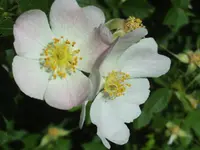
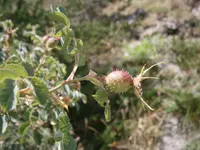
The short-styled field-rose, Rosa stylosa, is a wild shrub rose native to parts of Europe and western Asia. It forms a medium-sized, thorny bush with slender stems. Its flowers are usually soft pink to white, single, and open-faced, followed by small red hips that attract wildlife. Foliage is divided into small leaflets, giving the plant a light, airy look. This species is generally hardy and tolerant of poor, well-drained soils, making it suitable for naturalistic or low-maintenance plantings. Those who care for Short-styled Field-rose should allow space for its spreading habit and provide sun and moderate moisture for best flowering.

Main Plant Requirements

Care Difficulty

Moderate Care

Light Preference

Full Sun

Water Requirements

Moderate Water

Temperature Preference

Cold Hardy

Hardiness Zone

5–8

Soil Texture

Sandy, Loamy, Clay

Soil pH

Slightly acidic (6.5–7.0), Neutral (7.0)

Soil Drainage

Moist but well-drained

Fertilization

Minimal (feed rarely)

Get Personalized Care Plan

Scan your plant to receive care tips personalized for your specific plant

Available on iOS and Android

How to Care for the Short-styled Field-rose

Rosa stylosa prefers open, bright conditions that mimic sunny hedgerows and woodland edges.

  • Provide 6–8 hours of direct sun daily, with morning sun and light afternoon shade in hotter regions to reduce leaf scorch and premature flower fade.
  • Tolerates light partial shade (around 4–5 hours sun), but flowering is sparser and stems may stretch toward the light, especially in dense plantings.
  • In summer, avoid highly reflective, baked spots; in winter, choose a site with maximum sun exposure so Short-styled Field-rose hardens and buds mature well.

Rosa stylosa prefers consistent soil moisture without prolonged saturation.

  • In the growing season, water when the top 3–5 cm of soil are dry, soaking the root zone deeply rather than giving frequent shallow sips.
  • Use well-drained loam or sandy loam; standing water, heavy clay, or compacted soil increases risk of root rot, yellowing leaves, and blackened stems.
  • Reduce watering in late fall and winter, allowing the soil to dry a bit more between soakings; drooping, crisp leaves suggest underwatering, while soft, yellowing foliage suggests excess moisture.

This rose is a hardy shrub suited to temperate outdoor climates with cool winters and mild to warm summers.

  • Active growth and flowering are strongest around 60–75°F (16–24°C), with good performance in typical spring and early summer conditions.
  • Established plants tolerate winter lows down to about 0°F (−18°C) with proper soil drainage; new plants benefit from mulch to buffer freeze–thaw cycles.
  • In hot spells above 86°F (30°C), provide soil mulch and, if possible, light afternoon shade to limit heat stress, flower scorch, and rapid drying of the root zone.

This rose tolerates typical outdoor humidity and rarely needs special humidity management.

This species prefers deep, moderately fertile, well-drained mineral soil that stays evenly moist but not waterlogged.

  • Use a loamy or sandy-loam soil with 20–30% well-rotted compost to support root growth and flowering in Rosa stylosa.
  • Aim for slightly acidic to neutral pH, around 6.0–7.0, as strongly acidic or alkaline soils reduce nutrient availability.
  • Improve drainage and aeration in heavier soils by incorporating coarse sand or fine grit plus organic matter, avoiding pure clay layers.
  • Avoid compacted, waterlogged, or very shallow soils, which increase root rot risk and reduce drought resilience.

This species can be grown in containers if the pot is large and stable enough for its root system and upright growth.

  • Choose a heavy, wide-based container to prevent wind tipping as the plant develops tall, arching stems.
  • Select a pot at least 40–50 cm deep to give woody roots sufficient vertical space and reduce rapid drying.
  • Use a slightly porous material like unglazed terracotta only if you can compensate for faster moisture loss with more frequent watering.

Rosa stylosa, the Short-styled Field-rose, usually needs only light feeding when grown in poor or very depleted soils.

  • Apply a balanced slow-release fertilizer (for example 8-8-8 or 10-10-10) once in early spring as new growth starts.
  • Use a modest dose only, at about half the label rate, to avoid forcing weak, lush shoots.
  • On richer soils, replace granular feeds with a thin layer of compost around the root zone in spring.
  • Stop all feeding by late summer so new growth hardens before winter dormancy.

Pruning Rosa stylosa keeps the shrub healthy and encourages better flowering and a balanced shape.

  • Carry out main pruning in late winter or very early spring before buds fully swell.
  • Remove dead, diseased, and damaged wood first, cutting back to healthy tissue with clean bypass pruners.
  • Thin congested, crossing, or very weak stems to open the center and improve light and air flow.
  • Shorten overly long shoots by up to one-third to maintain a natural, arching form and stable framework.

This wild rose is more often transplanted in the ground than maintained long-term in containers.

  • Plan transplanting for late autumn or very early spring while the plant is fully dormant.
  • Lift and move when growth is slow, keeping as much of the root ball intact as possible to limit stress.
  • Water deeply before and after planting, then mulch the root zone to conserve moisture and encourage new roots.
  • In containers, shift to a larger pot only when roots circle the sides or growth declines noticeably.

Rosa stylosa is commonly propagated from cuttings or seed when increasing plants for hedgerows or restoration plantings.

  • Take semi-ripe cuttings in mid to late summer and place them in a free-draining, slightly moist medium.
  • Provide bright, indirect light and steady warmth around 65–75°F to support rooting over several weeks.
  • Sow cleaned seeds in autumn outdoors or cold-stratify indoors for 8–12 weeks before spring sowing.
  • Keep seedlings or young rooted cuttings evenly moist and shaded from intense sun until well established.

This species is generally cold hardy and often needs little specific winter care once established in the ground.

  • Tolerates typical winter frosts across much of temperate North America and Europe.
  • In colder sites, apply a 5–8 cm mulch around the base in late autumn to buffer soil temperature.
  • For container-grown plants, move pots to a sheltered, unheated spot to prevent repeated freeze–thaw of the root ball.

Care Tips

Encourage bushy form

After flowering, lightly tip-prune spent flowering shoots by 1/3 to a strong outward-facing bud to keep the shrub compact and improve light and air penetration into the center.

Selective sucker management

Inspect the base and surrounding soil annually, removing only weak or poorly placed suckers at ground level while keeping a few strong ones to renew the thicket and maintain a natural, wildlife-friendly hedge.

Targeted disease monitoring

From late spring, check the lowest, shadiest leaves weekly for early signs of black spot or mildew and remove affected leaves immediately, placing them in household trash rather than compost to reduce reinfection pressure.

Wildlife-friendly underplanting

Underplant with low, drought-tolerant groundcovers instead of dense mulch to stabilize soil, reduce weed pressure, and support beneficial insects that help control aphids and other pests when growing Short-styled Field-rose.

Efficient hip harvest

If hips are desired, mark the most floriferous stems during peak bloom, then in autumn harvest only those marked stems for uniform fruit size while leaving some hips on the plant for birds and winter interest.

Common Pests and Diseases

Rose rust

This disease causes orange to rust-brown pustules on leaf undersides, with yellowing and premature leaf drop. Symptoms include heavier infection on plants in cool, moist, low-airflow sites, where hedgerows and wild stands of short-styled field-rose often grow.

Solution

Remove and destroy affected leaves and any fallen debris, and avoid overhead watering to keep foliage dry. Improve air circulation by light pruning, and if rust recurs, apply a sulfur or myclobutanil-based fungicide labeled for roses, starting early in the season and repeating as directed.

Black spot

This disease produces round black leaf spots with fringed edges and surrounding yellow tissue, leading to defoliation in humid conditions. Symptoms include progressive leaf loss from the lower parts of the shrub upward, especially after periods of rain or overhead irrigation.

Solution

Prune out and discard heavily affected shoots, and collect and remove fallen leaves to reduce spore spread. Water at soil level, not on foliage, and use a preventive rose fungicide (such as chlorothalonil or myclobutanil) applied at intervals during wet periods according to the label.

Powdery mildew

This disease forms a white, powder-like coating on young leaves, stems, and buds, which may curl or distort. Symptoms include more severe infection in dense growth and in warm days followed by cool nights.

Solution

Thin crowded stems to improve airflow and avoid high-nitrogen fertilization that pushes very soft growth. If needed, treat with a horticultural oil or potassium bicarbonate product labeled for roses, applied thoroughly to both sides of leaves during cooler parts of the day.

Rose aphids

These insects cluster on tender shoots and buds, sucking sap and causing curling, sticky honeydew, and sometimes distorted flowers. This pest is often favored by lush, nitrogen-rich growth on wild and garden roses alike.

Solution

Dislodge colonies by spraying plants with a firm jet of water, focusing on shoot tips and bud clusters. For persistent infestations, introduce or conserve natural enemies like lady beetles, or apply insecticidal soap or a light horticultural oil, coating all infested surfaces and repeating as needed.

Rose sawfly larvae

This pest feeds on leaf surfaces, creating windowpane or skeletonized damage that can thin foliage on hedgerow stands. These larvae resemble small caterpillars and often feed on the undersides of leaves in spring to early summer.

Solution

Inspect foliage regularly in spring and hand-pick or crush larvae where possible, especially from lower branches. For heavier damage, use a contact treatment such as insecticidal soap or spinosad labeled for sawflies, applied to both leaf surfaces while larvae are actively feeding.

Interesting Facts

Distinctive short styles

Rosa stylosa has unusually short flower styles, the slender structures that connect the stigma to the ovary, which gives rise to its common name short-styled field-rose and helps distinguish it from other wild European roses.

Dry, persistent hips

Its small red hips are typically dry rather than fleshy and often persist on the shrub into winter, providing food for birds and a useful identification feature in the field.

Preference for calcareous soils

This species shows a marked preference for calcareous, or lime-rich, soils and is most often found on chalk or limestone grasslands, scrub, and hedgerows in its native European range.

Botan icon

Did you know?

Rosa stylosa is considered one of the more genetically and morphologically stable wild European roses and is often used as a reference taxon when botanists compare and revise the complex dog-rose group (Rosa section Caninae).

FAQs about Short-styled Field-rose

This wild rose is very attractive to bees, hoverflies, and sometimes butterflies. Its single, open flowers offer easy access to pollen and nectar, supporting pollinators from late spring into summer in temperate gardens.

Grow Healthy Plants with Botan Care

Keep your plants happy and healthy with plant identification, disease detection, and easy care guidance.

Botan plant care app — identify plants on mobile

Explore More Plants