Early cane training
Install sturdy wires or mesh before the canes elongate, then tie new growth loosely and horizontally to encourage more flowering laterals and make harvest and disease monitoring easier.

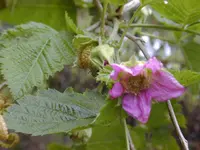
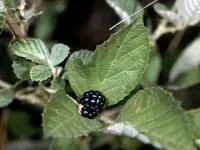
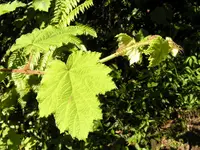
Hawai'i blackberry, Rubus hawaiensis, is a native Hawaiian bramble in the rose family that forms arching canes with prickles and soft, palmate leaves. It typically grows in cool, moist montane forests and open shrublands, where it produces white to pale pink flowers followed by dark, edible berries. The plant spreads by canes and underground stems, so it can fill space over time when conditions suit it. It is generally sturdy but prefers consistent moisture, good drainage, and cool to mild temperatures, which can make cultivation outside suitable climates more demanding. Gardeners who want to care for Hawai'i blackberry should focus on providing enough light and moisture without prolonged heat or drought stress.

Care Difficulty
Moderate Care

Light Preference
Partial Sun

Water Requirements
Moderate Water

Temperature Preference
Warm Climate

Hardiness Zone
10–11

Soil Texture
Loamy, Silty, Organic-rich

Soil pH
Acidic (5.5–6.5)

Soil Drainage
Moist but well-drained

Fertilization
Minimal (feed rarely)
Scan your plant to receive care tips personalized for your specific plant
Available on iOS and Android
This native bramble prefers bright, cool mountain light rather than harsh lowland sun.
This species prefers consistently moist, cool soil without staying waterlogged.
This upland species is adapted to mild, stable temperatures with limited frost or heat extremes.
This species prefers moderately moist air but usually adapts to typical outdoor humidity in its growing range.
Rubus hawaiensis grows best in deep, moist, well-aerated volcanic-type or loamy soil with consistent drainage.
This species can be grown in large outdoor containers if the pot provides enough depth, drainage, and stability for its canes.
This native shrub usually grows well in lean soils, so fertilizing Rubus hawaiensis should stay light and targeted.
Pruning Rubus hawaiensis focuses on maintaining plant health, access, and manageable size rather than tight shaping.
This species is usually grown in the ground, so guidance centers on transplanting rather than frequent repotting.
Propagation of Rubus hawaiensis is practical for restoration or garden use, mainly through vegetative methods.
In its native mild, frost-free ranges, Hawai'i blackberry needs minimal winter care, but container plants in cooler areas benefit from some protection.

Plant Health Check
Not sure what's wrong with your plant? Check your plant's health inside the app.
This blackberry species occurs naturally only in the Hawaiian Islands, where it is native to high-elevation wet and mesic forests, shrublands, and open bog edges on several islands.
Its fleshy purple-black fruits are eaten by native and introduced birds, which disperse the seeds through their droppings and help maintain plant populations across upland landscapes.
Populations on different Hawaiian islands show noticeable variation in traits such as leaf size, prickliness, and growth habit, reflecting local adaptation to differing mountain climates and habitats.

Unlike many invasive Rubus species introduced to Hawai‘i, this species is part of the native flora and can hybridize with some non-native brambles, which raises conservation concerns about maintaining its genetic integrity.
This species spreads moderately by arching canes that root where they touch the ground and by seeds. In gardens it usually stays manageable with regular pruning and removal of unwanted suckers, especially near paths and smaller plantings.
Keep your plants happy and healthy with plant identification, disease detection, and easy care guidance.