bloodtwig dogwood Care (Cornus sanguinea)

Also known as: dogwood, common dogwood
bloodtwig dogwood

About bloodtwig dogwood

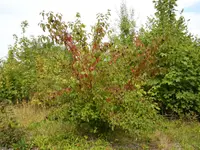
Bloodtwig dogwood (Cornus sanguinea) is a hardy deciduous shrub grown mainly for its colorful winter stems and dense, twiggy structure. It forms multi-stemmed thickets that provide strong seasonal interest in mixed borders and wildlife gardens.

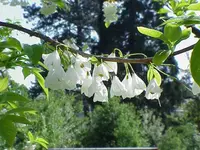
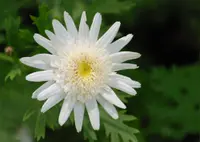
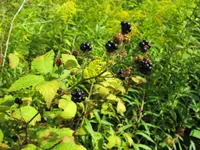
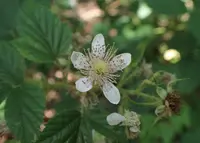
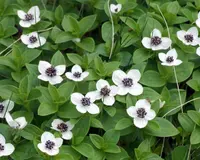
The plant is native to much of Europe and western Asia, where it thrives in hedgerows, woodland edges, and riverbanks. Small white spring flowers and dark berries support pollinators and birds.

This shrub is considered easy to grow, as it tolerates cold, wind, pruning, and a range of soils, including heavier clay. It prefers sun to light shade and evenly moist, well-drained ground, and these traits guide how to care for bloodtwig dogwood in garden settings.

Main Plant Requirements

Care Difficulty

Easy Care

Light Preference

Full Sun

Water Requirements

Moderate Water

Temperature Preference

Cold Hardy

Hardiness Zone

4–7

Soil Texture

Sandy, Loamy, Clay

Soil pH

Acidic (5.5–6.5), Slightly acidic (6.5–7.0)

Soil Drainage

Moist but well-drained

Fertilization

Minimal (feed rarely)

Get Personalized Care Plan

Scan your plant to receive care tips personalized for your specific plant

Available on iOS and Android

How to Care for the bloodtwig dogwood

This deciduous shrub needs moderate to high light for strong stems and good color.

  • Provide 4–6 hours of direct sun daily, ideally with morning sun and light afternoon shade, especially in hotter regions.
  • Tolerates partial shade (2–4 hours sun), but bloodtwig dogwood may show duller stem color and looser growth in low light.
  • Avoid full, harsh afternoon sun in hot summers, which can scorch leaves; in winter, full sun enhances stem color and overall vigor.

This shrub prefers evenly moist soil but copes with short dry periods once established.

  • Water when the top 3–5 cm of soil feels dry, applying a deep soak so moisture reaches the root zone rather than frequent light splashes.
  • In the first 1–2 growing seasons for Cornus sanguinea, monitor closely during dry spells and water after several rain-free days, especially in sandy soils.
  • Watch for underwatering signs such as drooping, curling leaves and for overwatering signs like yellowing foliage and soft stems; ensure soil drains freely and does not stay soggy.

This hardy shrub tolerates a wide temperature range typical of temperate climates.

  • Active growth is strongest in spring and summer at around 60–77°F (16–25°C), with good shoot and leaf development.
  • Dormant plants withstand winter cold down to about -20°F (-29°C) when established, making them suitable for many northern gardens.
  • Heat tolerance is fair up to about 90°F (32°C) if soil moisture is maintained; extended hotter periods may cause leaf scorch, so mulch and partial shade help reduce stress.

Humidity is not a critical factor for Cornus sanguinea grown outdoors in temperate climates.

Cornus sanguinea prefers moderately moist, well-structured soil that does not stay waterlogged.

  • Use a loamy soil with a mix of mineral particles and organic matter so roots stay moist yet aerated.
  • Aim for a slightly acidic to neutral pH around 6.0–7.0, avoiding strongly alkaline or saline sites.
  • In heavy clay, improve structure by incorporating compost plus sharp sand to enhance drainage and oxygen around roots.
  • Avoid compacted, poorly drained spots where water stands after rain, which promotes root rot and weak growth.

This species can be grown in containers, though it performs best long term in open ground.

  • Choose a large, deep, heavy container to provide stable root volume and prevent wind from tipping over the multi-stem shrub.
  • Use a moisture-retentive but free-draining mix, such as loam-based compost with added sharp sand to prevent persistent saturation.
  • Elevate the pot slightly on feet or bricks to keep drainage holes clear and reduce the risk of waterlogging at the base.

This shrub is not demanding but responds well to modest feeding on poor soils.

  • Apply a balanced slow-release fertilizer (around 10-10-10) once in early spring as growth starts.
  • On richer soils, use a light top-dressing of compost instead of granular fertilizer every 1–2 years.
  • Use half the label strength for young or newly planted bloodtwig dogwood to avoid root burn.
  • Do not feed in late fall or winter, when the plant is dormant and nutrient demand is low.

Thoughtful pruning keeps Cornus sanguinea healthy and maintains bright young stems.

  • Use clean, sharp bypass pruners or loppers in late winter or very early spring before bud break.
  • Remove dead, diseased, damaged, or crossing stems back to healthy wood.
  • Thin out older, darker stems at the base to encourage vigorous, colorful new shoots.
  • Shape the shrub by shortening overly long stems, maintaining an open, balanced framework.

This dogwood is usually grown in the ground, so focus on correct transplanting rather than frequent repotting.

  • Transplant in early spring or fall when temperatures are mild and soil is workable.
  • Move plants when growth slows, plants outgrow their space, or roots circle inside a nursery pot.
  • Dig a wide hole, loosen circling roots carefully, and set the root ball at the same soil level as before.
  • Water deeply after planting, then keep soil evenly moist for several weeks to limit transplant shock.

Cornus sanguinea is commonly propagated from cuttings and by layering for consistent traits.

  • Take semi-ripe cuttings in mid to late summer, 10–15 cm long, from healthy, non-flowering shoots.
  • Remove lower leaves, dip the base in rooting hormone, and place in moist, free-draining medium under bright, indirect light.
  • For simple layering in spring, bend a low stem to the ground, pin it down, and cover a section with soil.
  • Sow seeds in fall outdoors or after cold stratification, understanding that seedlings may vary from the parent.

This species is cold hardy in much of the US and usually needs minimal winter care outdoors.

  • Mulch the root zone with 5–8 cm of organic material in late fall to moderate soil temperature and moisture swings.
  • Container-grown plants are more exposed; move pots to a sheltered, unheated area during severe freezes.
  • Brush off heavy snow from branches to reduce the risk of breakage, but light snow is usually harmless.

Care Tips

Maximize Winter Color

Renew bright red stems by cutting 1⁄3 of the oldest, dullest canes back to 5–10 cm from the base each early spring, which stimulates vigorous new shoots with better winter color.

Encourage Dense Screens

For hedging, tip-prune young shoots by 5–10 cm after flowering for the first 2–3 years to promote branching and create a thicker, more wind-tolerant screen.

Plan for Suckering

Install a spade-cut root barrier 30–40 cm deep around the planting area if you want to limit spread, and slice along this line every 1–2 years to sever outward-moving suckers.

Support Wildlife Value

Delay major pruning until late winter so autumn fruit clusters remain for birds, which also helps with natural pest control when caring for bloodtwig dogwood.

Use As Nurse Shrub

Plant it as a windbreak or nurse shrub on exposed sites to shelter slower-growing trees and shrubs, then thin or remove selected stems once the main planting is established.

Common Pests and Diseases

Dogwood anthracnose

This disease causes tan to brown leaf spots with purple borders, blotchy browning along veins, and dieback of young shoots, especially in cool, wet weather. Symptoms include premature leaf drop and cankers on twigs or small branches.

Solution

Prune out and destroy affected twigs and fallen leaves, and thin dense growth to improve light and air movement through the shrub. Avoid overhead watering, keep plants vigorous with proper spacing and mulching, and in severe, recurring cases use a labeled fungicide in early spring according to Cornus sanguinea care instructions on the product label.

Dogwood leaf spot

This disease produces small, round to irregular purple or brown spots on leaves that may merge into larger blotches, leading to early leaf drop in humid conditions. Symptoms include foliage that looks speckled or scorched, mostly on lower or inner branches.

Solution

Rake and remove fallen leaves, and prune crowded stems to reduce humidity around the plant. Water at the base, not over the foliage, and if leaf spot is persistent, apply a suitable fungicide in spring when new leaves emerge, following label directions for dogwood shrubs.

Dogwood sawfly

This pest is a larval stage of a wasp-like insect that skeletonizes leaves, leaving only veins, and can defoliate sections of the shrub in midsummer. These larvae often rest in groups on the undersides of leaves and may curl when disturbed.

Solution

Handpick and destroy larvae from reachable branches and prune out heavily infested shoots. For larger infestations, spray the undersides of leaves with a strong jet of water or use a horticultural soap or spinosad product labeled for sawflies, applied in the evening to minimize impact on beneficial insects.

Dogwood scale

This pest consists of small, immobile insects covered by a waxy shell that cluster on stems and branches, sucking sap and causing leaf yellowing, stunted growth, and branch dieback. This pest also leaves sticky honeydew that can attract sooty mold.

Solution

Prune and discard heavily infested branches, then scrub remaining stems gently with a soft brush and soapy water to remove scales where practical. During crawler stages, treat with horticultural oil or insecticidal soap labeled for scale insects, thoroughly wetting stems and repeating as directed on the label.

Dogwood powdery mildew

This disease forms a white, powdery coating on leaves, especially in shaded or crowded plantings, and can cause leaf curling, distortion, and reduced vigor. Symptoms include dull, grayish foliage and reduced new growth later in the season.

Solution

Increase sun exposure if possible, thin stems to improve air circulation, and avoid excessive nitrogen that encourages soft, mildew-prone growth. Remove heavily infected leaves and, in severe cases, apply a fungicide labeled for powdery mildew on ornamental shrubs, starting when new foliage appears and repeating as directed.

Interesting Facts

Winter stem coloration

This species develops its most intense red to purple stem color in late autumn and winter, especially on young 1–2-year-old shoots exposed to full sun.

Bird-dispersed seeds

The black berries are a key food source for many European birds, which digest the fleshy part but pass the seeds, helping the shrub colonize new sites.

Soil stabilizing root system

Cornus sanguinea forms a dense, fibrous root system that is widely used in European land restoration projects to stabilize slopes, riverbanks, and disturbed soils.

Botan icon

Did you know?

Pollen studies from sediment cores show that this species has been part of European woodland and scrub communities since the early Holocene, making it a long-standing component of post-glacial vegetation across much of its native range.

FAQs about bloodtwig dogwood

This shrub spreads by suckers, forming thickets over time, especially in moist, fertile soil. Regular removal of unwanted shoots and selective pruning keeps it contained and suitable for hedges or mixed borders without becoming unmanageable.

Grow Healthy Plants with Botan Care

Keep your plants happy and healthy with plant identification, disease detection, and easy care guidance.

Botan plant care app — identify plants on mobile

Explore More Plants