Pinch Early Shoots
Pinch out the soft tips of young stems when plants are 10–15 cm tall to encourage bushier growth and a higher flower count through the season.

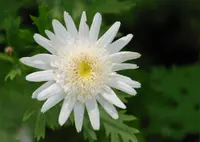
Marguerite daisy, Argyranthemum frutescens, is a compact, bushy flowering plant grown mainly as a seasonal bedding or container plant. It is related to common garden daisies and forms dense mounds covered in daisy-like blooms.
Flowers are usually white, pink, or yellow with a distinct central disk, and fine, divided foliage gives the plant a light, airy look. It originates from the Canary Islands, so it prefers mild conditions and does not handle hard frost.
This species is moderately easy to grow if it receives enough sun, regular deadheading, and consistent moisture without waterlogging. Understanding how to care for Marguerite daisy starts with knowing it likes bright light, good drainage, and steady but not excessive watering.

Care Difficulty
Moderate Care

Light Preference
Full Sun

Water Requirements
Moderate Water

Temperature Preference
Tropical / Frost Sensitive

Hardiness Zone
9–11

Soil Texture
Sandy, Loamy, Organic-rich

Soil pH
Acidic (5.5–6.5), Slightly acidic (6.5–7.0)

Soil Drainage
Well-drained

Fertilization
Moderate (every 2–4 weeks)
Scan your plant to receive care tips personalized for your specific plant
Available on iOS and Android
This sun-loving shrub thrives with generous light to fuel strong flowering.
This plant prefers evenly moist but not saturated soil around its root zone.
This species grows best in mild, frost-free conditions with moderate heat.
This species grows best in relatively dry, bright conditions where humidity control is rarely critical.
Argyranthemum frutescens prefers a light, well-aerated mix that drains very quickly.
This species is well suited to container growing outdoors on patios, balconies, and sunny entrances.
Argyranthemum frutescens responds well to moderate feeding during its active growing and flowering season.
Pruning helps Argyranthemum frutescens stay compact and produce more blooms.
Container-grown plants and bedding clumps benefit from occasional transplanting to maintain vigor.
New Argyranthemum frutescens plants are most often produced from softwood cuttings.
This plant is frost-tender and usually needs protection in regions with cold winters.

Plant Health Check
Not sure what's wrong with your plant? Check your plant's health inside the app.
Modern cultivars of this species are complex hybrids derived from wild populations native mainly to the Canary Islands, selected over decades for larger flower heads, compact growth, and extended blooming seasons.
Unlike many ornamental daisies, this plant flowers most abundantly in mild, cool conditions and often reduces blooming or stalls in high summer heat, then resumes once temperatures drop again.
In its native range it naturally inhabits windy, maritime environments and shows good tolerance to salt-laden air, which contributes to its suitability for exposed seaside gardens.

This species has been used extensively in public landscape plantings and breeding programs because it can be manipulated to flower almost year-round under controlled light and temperature regimes, making it a model ornamental for studying continuous blooming in shrubs.
Poor flowering is often due to insufficient light, overfertilizing with high-nitrogen products, lack of deadheading, or heat stress. Regularly remove spent blooms, use balanced fertilizer, and avoid excessive summer heat when possible to support repeat flowering.
Keep your plants happy and healthy with plant identification, disease detection, and easy care guidance.