Friar's cowl Care (Arisarum vulgare)

Also known as: Larus
Friar's cowl

About Friar's cowl

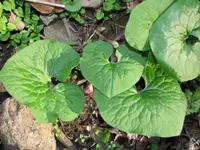
Friar's cowl (Arisarum vulgare) is a small, tuberous woodland aroid grown mainly for its unusual, hooded flowers and dense groundcover foliage. It stays low and spreads by rhizomes, forming patches of glossy, arrow-shaped leaves.

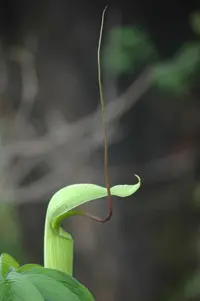
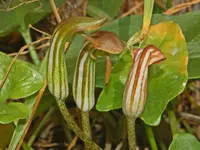
The flowers hide close to the soil, with a brownish-purple tube and a curved hood that resembles a tiny monk’s cowl. This species is native to the Mediterranean region, where it grows in lightly shaded, moist, humus-rich habitats.

It is generally undemanding but prefers consistent moisture, shelter from hot sun, and well-drained soil. Once its needs are understood, it is relatively simple to care for Friar's cowl in mild climates or protected spots.

Main Plant Requirements

Care Difficulty

Moderate Care

Light Preference

Partial Shade

Water Requirements

Keep Soil Moist

Temperature Preference

Cool Climate

Hardiness Zone

7–10

Soil Texture

Loamy, Silty, Organic-rich

Soil pH

Acidic (5.5–6.5), Slightly acidic (6.5–7.0)

Soil Drainage

Moist but well-drained

Fertilization

Minimal (feed rarely)

Get Personalized Care Plan

Scan your plant to receive care tips personalized for your specific plant

Available on iOS and Android

How to Care for the Friar's cowl

This woodland aroid prefers soft, filtered light similar to bright shade under trees.

  • Provide dappled shade or morning sun with afternoon shade, aiming for 2–4 hours of gentle direct light and bright shade the rest of the day.
  • Friar's cowl tolerates deep shade but foliage becomes sparser; in sites with stronger sun, protect it with larger plants or shade cloth.
  • Avoid harsh midday and afternoon sun, which can scorch leaves and dry the soil quickly, especially in summer and in warmer climates.

This rhizomatous perennial prefers evenly moist but never waterlogged soil.

  • In active growth, water when the top 2–3 cm of soil feel dry, allowing moisture to reach the root zone without leaving standing water.
  • Ensure soil drains freely; soggy conditions cause yellowing, soft stems, and rhizome rot, while drooping, thin leaves indicate underwatering.
  • Reduce watering in summer dormancy or dry rest periods, giving just enough to prevent the soil from fully drying into a hard, shrinking mass around Arisarum vulgare.

This Mediterranean species prefers mild, frost-free to lightly frosty conditions with cool, moist winters.

  • Ideal growth occurs around 50–68°F (10–20°C), especially during autumn to spring when foliage is active.
  • The plant tolerates brief drops to about 23–25°F (-5 to -4°C) if soil is well drained and rhizomes are mulched, but hard, prolonged freezes may kill them.
  • In hot summers above 86°F (30°C), foliage often dies back and the plant enters dormancy, so extra shade and soil moisture protection are helpful.

This species prefers moderately moist air but usually copes with typical indoor humidity.

  • Aim for 40–60% humidity to reduce leaf edge browning and tip dieback.
  • In very dry air, watch for curling foliage, slower growth, and crisp leaf tips as humidity stress signs.
  • Increase humidity by grouping pots, placing the container on a pebble tray with water below the pot base, or running a nearby humidifier for Friar's cowl.

Arisarum vulgare grows best in loose, humus-rich soil that stays evenly moist but never waterlogged.

  • Use a mix of 2 parts loam-based potting soil, 1 part compost, and 1 part fine bark or perlite for structure and airflow.
  • Aim for slightly acidic to neutral pH around 6.0–7.0, which supports balanced nutrient availability.
  • Ensure rapid drainage by avoiding heavy clay and by raising containers or beds so excess water flows away quickly.
  • Improve dense or compacted soil by incorporating leaf mold or compost plus perlite to increase pore space and root oxygen.

This species adapts well to container growing when moisture and root space are managed carefully.

  • Choose a wide, shallow pot to match its creeping rhizomes, which spread horizontally rather than deeply.
  • Use a container material like terracotta only if you need faster drying; select glazed ceramic or plastic if the site is already dry and warm.
  • Elevate the pot on feet or pot risers so drainage holes stay clear and excess water exits quickly instead of pooling under the base.

This small aroid benefits from light feeding but grows acceptably in humus-rich soil without heavy fertilizer use.

  • Use a balanced liquid fertilizer at 1/4–1/2 strength every 4–6 weeks during active growth in spring and early summer.
  • Choose either a balanced NPK feed or a thin layer of fine compost worked into the topsoil for Friar's cowl.
  • Stop feeding once foliage begins to yellow and die back for dormancy in late summer or early autumn.
  • Avoid strong, slow-release fertilizers in small pots to reduce salt buildup and root burn.

Pruning needs for Arisarum vulgare are minimal and focus on hygiene rather than shaping.

  • In late winter or early spring, remove dead, yellowed, or mushy leaves at the base using clean, sharp scissors.
  • Cut away any diseased or damaged foliage as soon as noticed to reduce spread of rot or fungal issues.
  • Thin crowded or weak leaves lightly to improve air movement and reduce prolonged leaf wetness.
  • Do not hard-cut healthy clumps; allow natural clumping to maintain a dense, ground-covering habit.

This rhizomatous groundcover is usually left in place, but clumps can be divided or moved when overcrowded or declining.

  • Look for slow growth, many rhizomes pushing against the pot, or roots circling drainage holes as signs it needs attention.
  • Plan transplanting or repotting for late summer to early autumn, once foliage starts to die back and soil is drier.
  • Every 3–4 years, lift and split congested clumps, replanting firm, healthy rhizomes at the same depth in fresh, well-drained soil.
  • Water lightly after transplanting, keep soil just moist, shade from strong sun, and avoid heavy disturbance to reduce root stress.

This species is commonly propagated by division of its rhizomes, with seed used mainly for larger-scale or experimental growing.

  • Divide established clumps in late summer or early autumn as growth slows and foliage fades.
  • Lift the clump, gently tease apart rhizomes, and discard any soft, diseased, or very weak pieces.
  • Replant healthy sections 3–5 cm deep in loose, moist, well-drained soil, spacing them so new shoots have room to spread.
  • For seeds, sow fresh on the surface of a moist, humus-rich mix and keep cool, shaded, and consistently slightly damp.

This plant is generally cold hardy in mild to moderate winters but benefits from some attention in colder areas.

  • Tolerates light frosts; in regions below about 15°F, consider extra protection for outdoor clumps.
  • Apply a 3–5 cm layer of leaf mold or compost mulch over the root zone after foliage dies back.
  • For containers, move pots to a sheltered, frost-free, bright but cool spot and keep soil just slightly moist.
  • Avoid waterlogged winter soil, which increases the risk of rhizome rot even in cold-tolerant plants.

Care Tips

Contain Rhizome Spread

Plant in a wide, shallow container or use an in-ground rhizome barrier 15–20 cm deep to prevent this species from spreading into surrounding beds and to make clump renewal easier every few years.

Seasonal Dormancy Rest

Allow foliage to yellow and die back naturally in late spring or summer, then reduce watering and avoid disturbance so the underground rhizomes can store energy and re-sprout strongly in the next cool season.

Leaf Litter Mulch

Apply a thin, loose layer of shredded leaf mulch around but not over the crowns each autumn to mimic woodland conditions, retain moisture, and protect shallow rhizomes from temperature swings.

Targeted Slug Management

Place beer traps or rough copper tape around containers and check plants at dusk, manually removing slugs and snails that are attracted to the tender leaves and can quickly skeletonize foliage.

Divide For Vigor

Lift and divide crowded clumps every 3–4 years during dormancy, replanting only firm, healthy rhizomes and discarding soft or damaged pieces to maintain airflow in the planting and reduce rot risk when caring for Friar's cowl.

Common Pests and Diseases

Rust fungus

This disease causes orange to brown pustules on leaves and petioles, often leading to yellowing and early leaf drop in clumps of Friar's cowl.

Solution

Remove and discard affected leaves, avoid overhead watering, and improve air movement around the patch; in persistent cases, apply a sulfur- or copper-based fungicide labeled for ornamental perennials, following instructions carefully.

Leaf spot

This disease produces small water-soaked or brown spots on the foliage that can merge into irregular patches, making leaves look tattered and unattractive.

Solution

Cut off and dispose of badly affected leaves, keep the foliage as dry as possible by watering at soil level, and space plants so they dry quickly; if the problem recurs, use a broad-spectrum fungicide suitable for ornamental groundcovers and rotate products to reduce resistance.

Aphids

These insects cluster on tender flower stems and new growth, sucking sap and causing distortion, sticky honeydew, and occasional sooty mold on leaves.

Solution

Wash colonies off with a firm stream of water and pinch off heavily infested stems; for ongoing problems, introduce or encourage natural predators such as lady beetles, or use an insecticidal soap or horticultural oil, ensuring thorough coverage of undersides of leaves.

Slugs and snails

This pest feeds on the fleshy leaves and spathes, leaving irregular holes and silvery slime trails, especially in damp, shaded plantings.

Solution

Hand-pick at night or in the early morning, use iron phosphate slug baits around but not on the clumps, and reduce hiding spots by clearing debris and dense ground litter while still maintaining some mulch to protect the rhizomes.

Narcissus bulb fly

This insect lays eggs near the plant base, and the larvae can burrow into the rhizomes, causing sudden wilting, stunted tufts, or collapse of individual fans.

Solution

Lift and inspect rhizomes if plants decline unexpectedly, cutting out and discarding any soft or damaged tissue; replant only firm, healthy pieces, destroy infested material, and consider using fine mesh or fleece over susceptible clumps in spring to reduce egg-laying where this pest is known to occur.

Interesting Facts

Fly‑pollination trap

The curved, hooded spathe of this species forms a small chamber that temporarily traps tiny flies, which become dusted with pollen before escaping to another flower. This structure is an adaptation seen in many aroids but is especially pronounced in this plant’s pouch‑like blooms.

Winter‑active growth

In Mediterranean climates it grows and flowers mainly in the cool, moist months from autumn to spring, then dies back to its underground tubers for the dry summer rest. This seasonal pattern helps it avoid drought stress and high summer heat.

Ant‑assisted seed spread

Its seeds bear a small, nutrient‑rich appendage called an elaiosome, which attracts ants that carry the seeds back to their nests. The ants eat the elaiosome and discard the seed, effectively planting it in a protected, nutrient‑rich spot.

Botan icon

Did you know?

This species has a long history of use as a visual motif in Mediterranean religious and folk art, where its hooded flowers were interpreted as tiny monks or friars in cowled robes, which is the origin of the common name friar’s cowl.

FAQs about Friar's cowl

This species spreads slowly by short rhizomes and self-seeding, forming small clumps or patches over time. It is usually not aggressive, but in mild climates it can naturalize, so occasional thinning keeps it in bounds when needed.

Grow Healthy Plants with Botan Care

Keep your plants happy and healthy with plant identification, disease detection, and easy care guidance.

Botan plant care app — identify plants on mobile

Explore More Plants