arisaema Care (Arisaema tortuosum)

Also known as: whipcord cobra lily
arisaema

About arisaema

Arisaema tortuosum, often called the whipcord cobra lily, is a tuberous perennial from the Himalayas and surrounding regions. It belongs to the aroid family, the same group as arums and calla lilies.

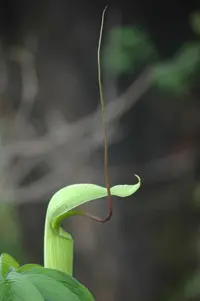
The plant forms upright stems with divided, umbrella-like leaves and an unusual flower structure with a tall, thread-like spadix that extends above the hooded spathe. It grows from a dormant tuber that needs a cool, dry rest in winter.

This species prefers dappled shade, consistently moist but well-drained soil, and protection from extreme heat or drought. In suitable woodland-style conditions, it is long-lived but can be slow to establish, so understanding how to care for arisaema helps maintain healthy growth.

Main Plant Requirements

Care Difficulty

Moderate Care

Light Preference

Partial Shade

Water Requirements

Regular Water

Temperature Preference

Cool Climate

Hardiness Zone

6–9

Soil Texture

Loamy, Silty, Organic-rich

Soil pH

Acidic (5.5–6.5), Slightly acidic (6.5–7.0)

Soil Drainage

Moist but well-drained

Fertilization

Light (every 4–6 weeks)

Get Personalized Care Plan

Scan your plant to receive care tips personalized for your specific plant

Available on iOS and Android

How to Care for the arisaema

This woodland aroid grows best in bright, indirect light that mimics dappled forest shade.

  • Provide 3–5 hours of gentle morning sun with bright, filtered light or open shade for the rest of the day.
  • Site arisaema where it is shaded from strong midday and afternoon sun, which can scorch leaves and dry the soil too quickly.
  • In summer, increase shade slightly if foliage pales or crisps; in spring and fall, allow a bit more light to encourage strong stems.

This tuberous perennial prefers consistently moist, well-drained soil without staying waterlogged.

  • Water when the top 3–5 cm of soil feel slightly dry, aiming for evenly moist, not soggy, conditions around the root zone.
  • Use humus-rich, free-draining soil so excess water runs off; yellowing, limp stems suggest overwatering, while drooping, dull leaves indicate drying out.
  • Reduce watering sharply once foliage begins to yellow and die back, keeping the tuber just barely moist or almost dry during dormancy.

This species grows best in cool to mild conditions with a distinct dormant period in colder climates.

  • During active growth, aim for 60–75°F (16–24°C), with cooler nights supporting sturdy stems and healthy foliage.
  • The tuber tolerates down to about 20–23°F (-6 to -5°C) if soil is well drained and mulched; prolonged frozen, waterlogged ground increases rot risk.
  • In hotter regions with summer highs above 85°F (29°C), provide extra shade and mulch to keep roots cool, and avoid hot, reflective sites.

This species benefits from moderate to high humidity, especially in warm weather.

  • Aim for 50–70% humidity to mimic its native understory habitat and support steady foliage growth.
  • It tolerates brief dips to 30–40%, but prolonged very dry air can cause leaf edges to brown and tips to curl.
  • Increase humidity by grouping plants, placing the pot on a pebble tray with water, or humidifying the room rather than misting arisaema directly.

Arisaema tortuosum prefers loose, humus-rich soil that stays evenly moist yet drains freely.

  • Use a mix of roughly 50% peat-free compost, 30% fine bark, and 20% perlite or sharp sand to create a moisture-retentive but airy medium.
  • Aim for slightly acidic to neutral pH, around 6.0–7.0, which supports nutrient uptake and root health.
  • Ensure excess water can drain quickly to prevent corm rot; avoid heavy clay or compacted ground that stays waterlogged.
  • Improve aeration by incorporating chunky organic matter such as small bark pieces and by avoiding over-compaction when filling the planting hole.

This species is suitable for container growing when given a deep, stable pot.

  • Choose a tall, relatively narrow container to provide vertical root and corm space while limiting excess, soggy mix around the base.
  • Use a heavier pot material or add stones to the bottom layer to prevent the tall flowering stems from tipping the container in wind.
  • Elevate the pot slightly on feet or bricks so drainage holes stay clear and water can run off quickly after rain or watering.

This woodland aroid benefits from light, thoughtful feeding rather than heavy fertilization.

  • Apply a balanced, dilute liquid fertilizer (for example 10-10-10 at 1/2–1/4 strength) every 4–6 weeks during active spring–summer growth.
  • Work a thin layer of compost into the topsoil each spring to mimic the rich forest litter arisaema prefers.
  • Avoid high-salt or fast-release products that can scorch roots in containers or tight planting pockets.
  • Stop feeding once foliage yellows and dormancy begins; do not fertilize dormant tubers in winter.

Arisaema tortuosum needs minimal pruning, mainly to keep the clump clean and healthy.

  • In late autumn or once frost blackens foliage, cut back dead stems and leaves at soil level with clean, sharp pruners.
  • Remove damaged or diseased foliage promptly during the season to limit spread of rot and fungal problems.
  • Thin out crowded, weak stalks only if air movement is poor, which helps reduce moisture-related leaf issues.
  • Avoid heavy shaping; the plant’s natural form is part of its appeal and pruning does not improve flowering.

This species is usually grown in the ground, so transplanting the tubers carefully is more important than frequent repotting.

  • Plan to lift and divide clumps every 3–5 years, ideally in late autumn after dieback or in very early spring before growth starts.
  • Look for signs such as reduced shoot size, slow growth, or many crowded stems indicating the tubers need more space.
  • Gently lift tubers with a fork, keep roots and attached offsets intact, and replant at the same depth in humus-rich, well-drained soil.
  • Water thoroughly after transplanting, then keep soil evenly moist but not waterlogged to limit transplant shock.

This plant is most commonly increased by division of tubers, with seed propagation used more for patient enthusiasts.

  • Divide tubers or offsets in late autumn after foliage dies down, keeping each division with at least one healthy growth point.
  • Replant divisions into moist, humus-rich, free-draining soil and label positions, as shoots emerge late in spring.
  • Sow fresh seed in pots or trays, barely covered, and keep at 60–70°F with consistently moist but not soggy mix.
  • Expect seed-grown plants to take several years to flower; maintain cool, shaded conditions similar to mature plants.

In many temperate climates the tubers are fairly cold hardy, but some winter attention improves long-term survival.

  • In zones with frost, allow foliage to die back naturally, then cut to ground level once fully brown.
  • Apply a 5–8 cm layer of leaf mold or bark mulch over the root zone to insulate dormant tubers from freeze–thaw cycles.
  • In very cold or wet winters, lift tubers, dry briefly, and store in slightly moist peat or compost at 40–50°F.
  • Move containers of Arisaema tortuosum into a frost-free, cool, and dry place once night temperatures approach freezing.

Care Tips

Mark Dormant Tuber

After the foliage dies back, mark the tuber location with a discreet stake or label so you avoid disturbing or damaging it during winter bed work or replanting nearby bulbs.

Sturdy Stem Support

In windy or exposed sites, insert a slim stake on the north side of the emerging shoot and loosely tie the stem with soft ties to prevent kinking or snapping of the tall spadix as it elongates.

Rodent And Vole Protection

Plant the tuber inside a wide, shallow wire basket or line the planting hole with hardware cloth to reduce loss from rodents that may chew on the fleshy tuber.

Targeted Slug Management

Before shoots emerge in spring, place low, covered slug traps or barriers around the planting area so new growth is protected from early feeding damage that can permanently disfigure the season’s display.

Gentle Clump Division

When offsets are visible around a mature tuber, lift and divide only when the plant is fully dormant, then replant offsets at the same depth and label them clearly to keep track when caring for arisaema in mixed shade borders.

Common Pests and Diseases

Aphids

These insects feed on young Arisaema growth and flower stalks, causing curling, distortion, and sticky honeydew that can attract sooty mold. This pest is more common on plants growing in sheltered, nutrient‑rich conditions.

Solution

Remove heavily infested shoot tips and rinse remaining stems with a firm stream of water to dislodge colonies. For recurring issues, apply an insecticidal soap or horticultural oil, ensuring thorough coverage of undersides of leaves and emerging flower stems, and reduce excess nitrogen fertilization that promotes soft, aphid‑prone growth.

Slugs and snails

These pests chew irregular holes in leaves and can completely destroy emerging shoots of Arisaema tortuosum, especially in cool, moist spring conditions. Symptoms include shredded foliage and slime trails around the planting area.

Solution

Hand‑pick slugs and snails in the evening or early morning and use iron phosphate bait around clumps to reduce populations. Keep mulch thin near shoots, remove dense ground debris where they hide, and use physical barriers such as copper tape or rough grit around prized plants to protect new growth.

Leaf spot

This disease causes brown or tan spots on leaves that may have dark margins and can coalesce into larger dead patches in warm, humid weather. Symptoms include premature yellowing and early dieback of foliage, which weakens the tuber over time.

Solution

Promptly remove and discard infected leaves and any fallen debris to reduce the source of fungal spores. Improve air circulation, avoid overhead watering, and if the problem recurs yearly, apply a labeled ornamental fungicide at the start of leaf emergence, following all product directions carefully.

Viral mosaic

This disease produces mottled, streaked, or distorted leaves and can stunt plants over several seasons. Symptoms include uneven light and dark green patterns that do not match the normal variegation or coloration of the species.

Solution

Immediately remove and destroy symptomatic plants, including tubers, since viruses cannot be cured and can spread through sap or contaminated tools. Disinfect cutting tools between plants, control sap‑feeding insects such as aphids that transmit viruses, and avoid replanting Arisaema in the same spot with remaining infected root fragments.

Interesting Facts

Twisting floral spike

The species produces a tall, slender spadix that often twists or bends above the hooded spathe, which is the feature that inspired its common name, whipcord cobra lily.

Reverse leaf orientation

Its compound leaves are held on tall stalks with many leaflets arranged in a circle, giving the plant a palmlike, umbrella appearance that helps intercept light in its native forest-edge habitats.

Monsoon growth strategy

This species is seasonally dormant and times its active growth and flowering with the South Asian monsoon, emerging rapidly from its underground tuber when moisture and temperature conditions become favorable.

Botan icon

Did you know?

Arisaema tortuosum has evolved a foul-scented, enclosed floral chamber that temporarily traps small insects, ensuring they contact the pollen-bearing parts before being released, which increases the efficiency of its pollination.

FAQs about arisaema

Lack of flowering often results from an immature tuber, planting too shallow, or insufficient winter chilling. Crowded tubers and nutrient-poor soil also reduce bloom. Allow a full dormancy, maintain rich, well-drained soil, and avoid frequent disturbance.

Grow Healthy Plants with Botan Care

Keep your plants happy and healthy with plant identification, disease detection, and easy care guidance.

Botan plant care app — identify plants on mobile

Explore More Plants