Label Bulb Clumps
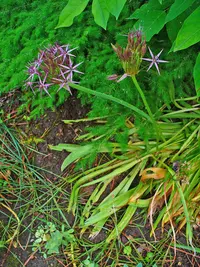
Place durable labels at the edge of each clump when foliage is still visible so you can relocate or divide bulbs accurately once the leaves have died back.

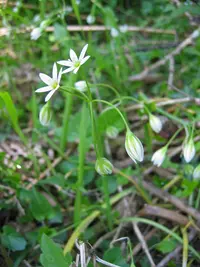
Italian garlic (Allium pendulinum) is a small bulb-forming perennial belonging to the onion and garlic group. It is mainly grown for its delicate ornamental value rather than for kitchen use. Plants usually produce slender, arching stems with nodding, bell-shaped white to pale pink flowers that appear light and airy in a border or naturalistic planting. It naturally occurs in Mediterranean regions, often in grassy or rocky places with dry, mild winters and warm summers. Allium pendulinum is generally undemanding if given well-drained soil and good light, and it tolerates summer dryness once established. Understanding how to care for Italian Garlic becomes easier when its preference for sun and relatively dry, lean soil is kept in mind.

Care Difficulty
Easy Care

Light Preference
Partial Shade

Water Requirements
Moderate Water

Temperature Preference
Cold Hardy

Hardiness Zone
5–9

Soil Texture
Sandy, Loamy, Organic-rich

Soil pH
Acidic (5.5–6.5), Slightly acidic (6.5–7.0)

Soil Drainage
Well-drained

Fertilization
Minimal (feed rarely)
Scan your plant to receive care tips personalized for your specific plant
Available on iOS and Android
Allium pendulinum prefers gentle, cool-season light that mimics open woodland edges.
Allium pendulinum needs steady but moderate moisture, especially during active spring growth.
This bulb favors mild, temperate conditions and a cool, dormant period to perform well long term.
Humidity is rarely critical for Allium pendulinum, which handles typical indoor and outdoor air well.
Allium pendulinum prefers light, free-draining soil that stays barely moist around the bulbs.
This species adapts reasonably well to container growing when drainage is carefully managed.
Allium pendulinum is a small bulb that needs only light feeding in average garden soil.
Allium pendulinum benefits from minimal, targeted pruning to keep clumps tidy and healthy.
This species is usually grown in the ground, so focus on careful lifting and transplanting of the bulbs rather than frequent repotting.
Allium pendulinum is most reliably propagated by bulb division, with seed used mainly for naturalization or breeding.
This hardy bulb tolerates typical temperate winters well and usually needs only basic soil management.

Plant Health Check
Not sure what's wrong with your plant? Check your plant's health inside the app.
Allium pendulinum is naturally found in moist, shaded Mediterranean woodlands, often under deciduous trees where spring light is bright but summer shade is dense.
Its small white flowers characteristically hang on slender, nodding stalks, a trait that helps distinguish it from many other alliums with upright flower heads.
This species has a relatively restricted native distribution in parts of Italy and nearby regions, which makes wild populations more sensitive to habitat disturbance than widespread wild garlics.
Lack of flowers often comes from bulbs being too crowded, planted too shallow, or still immature. Heat or drought stress after flowering can also weaken next year’s buds. Allow foliage to die back naturally so bulbs can recharge.
Keep your plants happy and healthy with plant identification, disease detection, and easy care guidance.