macawflower Care (Heliconia bihai)

Also known as: Lobster Claw Heliconia
macawflower

About macawflower

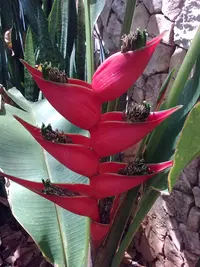
Macawflower (Heliconia bihai) is a tropical, clumping perennial best known for its bold paddle-shaped leaves and upright spikes of bright, bird-like bracts. It forms dense, architectural clumps that resemble banana plants and can create a strong focal point in warm gardens or spacious indoor atriums.

This species is native to the Caribbean and tropical South America, where it grows in humid, partially shaded forest edges. It prefers consistently moist, rich soil and warm, sheltered conditions. With enough light, humidity, and space, it is moderately easy to care for macawflower, but it can struggle in cool, dry, or low-light homes.

Main Plant Requirements

Care Difficulty

Moderate Care

Light Preference

Partial Sun

Water Requirements

Keep Soil Moist

Temperature Preference

Tropical / Frost Sensitive

Hardiness Zone

10–13

Soil Texture

Loamy, Silty, Organic-rich

Soil pH

Acidic (5.5–6.5), Slightly acidic (6.5–7.0)

Soil Drainage

Moist but well-drained

Fertilization

Moderate (every 2–4 weeks)

Get Personalized Care Plan

Scan your plant to receive care tips personalized for your specific plant

Available on iOS and Android

How to Care for the macawflower

Heliconia bihai prefers bright, warm conditions that mimic a tropical understory edge.

  • Provide 4–6 hours of morning sun with light afternoon shade or filtered light through high, open trees for best flowering when growing macawflower.
  • In hot summers, protect from harsh sun between 11 a.m. and 3 p.m. to prevent leaf scorch, especially in dry or reflective sites.
  • In cooler seasons, allow more direct sun, but avoid deep shade where stems stretch, leaves pale, and blooms decline.

Heliconia bihai grows best in consistently moist but not waterlogged soil.

  • Water when the top 3–5 cm of soil feel slightly dry, then soak the root zone thoroughly so moisture reaches 15–20 cm deep.
  • Use rich, well-drained soil; standing water, sour smell, and yellowing, floppy leaves suggest overwatering or poor drainage.
  • In hot weather increase frequency, watching for curling or drooping leaves as a sign of thirst; reduce watering in cooler months while keeping soil lightly moist.

This tropical species needs warm, stable temperatures to maintain healthy growth and flowering.

  • Aim for 70–85°F (21–29°C) for active growth; flowering is strongest at the higher end of this range with adequate humidity.
  • Protect from cold; growth slows below 60°F (16°C) and stems can be damaged below 50°F (10°C), with frost causing severe injury or death.
  • Heliconia bihai tolerates short heat spikes up to 95°F (35°C) if soil moisture and humidity are high, but prolonged, dry heat can scorch leaves.

This tropical species prefers consistently high humidity to maintain large, lush foliage and long-lasting bracts.

  • Aim for 60–80% humidity; it tolerates brief dips near 50% but foliage may lose vigor.
  • Dry indoor air causes brown, crispy leaf edges, curled margins, and stalled new growth on macawflower.
  • Increase humidity with grouped plants, a room humidifier, or a wide pebble tray placed directly beneath the container.

This plant performs best in deep, moist, well-aerated soil that stays evenly damp but never stagnant.

  • Use a rich loamy mix based on composted bark or peat-free compost, with added coarse sand or perlite for structure.
  • Ensure free drainage; aim for a mix that holds moisture yet drains within minutes after watering to protect rhizomes from rot.
  • A slightly acidic to neutral pH around 6.0–7.0 supports nutrient uptake and steady growth for Heliconia bihai.
  • Improve aeration by incorporating chunky organic matter and avoiding heavy clay or compacted ground that stays waterlogged.

This species can be grown in containers if the pot provides enough root volume and stability for its tall foliage.

  • Choose a wide, heavy container to counterbalance the tall, top-heavy stems and reduce tipping in wind.
  • Select a deep pot that allows rhizomes to spread horizontally without pressing hard against the sides.
  • Use thick-walled clay or concrete pots outdoors to moderate moisture swings and limit overheating of the root zone.

Heliconia bihai is a fast-growing tropical that benefits from consistent, moderate feeding for strong foliage and flowering.

  • Apply a balanced slow-release fertilizer (for example 10-10-10 or 14-14-14) at the start of the warm growing season.
  • Supplement every 4–6 weeks with a diluted liquid feed at 1/2 strength if growth or flowering is weak.
  • Use compost or well-rotted manure as a surface mulch to add organic matter and trace nutrients.
  • Reduce feeding to light or none in winter, especially for container-grown macawflower kept indoors or semi-dormant.

Pruning Heliconia bihai focuses on removing old growth to maintain clump health and flowering performance.

  • Cut spent flowering stalks back to ground level once blooms fade to direct energy into new shoots.
  • Remove dead, diseased, or storm-damaged canes at any time, using clean, sharp pruners or loppers.
  • In late winter or early spring, thin crowded stems, keeping the strongest shoots to improve air flow and light.
  • Trim away yellowing or torn leaves at the base to keep the plant tidy without reducing future flowering.

Heliconia bihai forms dense rhizome clumps that occasionally need more space for sustained vigor.

  • Look for roots circling the pot, distorted container walls, or slowed growth as cues to move the plant.
  • Plan transplanting or repotting for late spring to early summer, once soil and night temperatures have warmed.
  • In containers, shift to a pot 5–8 cm wider every 2–3 years, using rich, free-draining mix and firm but not compacted backfill.
  • Water thoroughly after moving, shade for 3–5 days, and keep soil evenly moist to limit transplant shock and root stress.

Heliconia bihai is most reliably multiplied by division of rhizomes rather than by seed.

  • Divide mature clumps in late spring or early summer when new shoots are emerging strongly.
  • Lift a section and cut rhizomes into pieces, each with at least 1–2 healthy buds and some roots attached.
  • Plant divisions into moist, well-drained, organic-rich soil, keeping buds just below the surface.
  • Maintain 75–85°F, high humidity, and steady moisture to encourage quick establishment and new shoot growth.

This tropical species is frost-tender and demands active winter management in cooler climates.

  • In USDA zones colder than 10, grow in containers and move indoors before temperatures fall below 50°F.
  • For in-ground clumps in mild regions, apply a 7–10 cm mulch over the root zone to insulate rhizomes.
  • Remove or accept dieback of top growth after light frost; new shoots often emerge from protected rhizomes in spring.
  • Indoors, provide bright light, 60–70°F temperatures, and slightly drier soil than in summer to prevent rot.

Care Tips

Rhizome Spacing

When planting, space rhizomes 60–90 cm apart and orient the buds upward so each clump has room to expand and produce upright, stable flowering stems.

Wind Protection

Install a low windbreak such as lattice, fencing, or dense shrubs on exposed sites to prevent tearing of large leaves and snapping of tall flower stalks.

Sturdy Stem Support

In windy or new plantings, use discreet bamboo stakes and soft ties to support heavy flowering stems, fixing ties in a loose figure‑8 so stems can thicken without damage.

Warm-Season Mulching

Apply a 5–8 cm layer of coarse organic mulch around but not touching the pseudostems to keep roots evenly moist, suppress weeds, and reduce soil temperature swings.

Old Stem Removal

After flowering, cut old pseudostems to ground level and remove faded bracts to direct energy into new shoots and maintain good airflow, which is important when caring for macawflower in humid climates.

Common Pests and Diseases

Heliconia bug

This pest feeds on young bracts and flower spikes, causing browning, spotting, and deformed inflorescences. Symptoms include dry, necrotic patches and reduced flowering.

Solution

Remove and destroy heavily damaged bracts and old flowering stems to reduce shelter sites. For active infestations, spray all bracts and undersides of leaves with an insecticidal soap or a pyrethrin-based product labeled for ornamental plants, repeating every 7–10 days until no new damage appears.

banana aphids

These insects cluster on the undersides of leaves and flower stalks, sucking sap and causing curling, yellowing, and sticky honeydew that can lead to sooty mold. Infestations often build up in warm, sheltered plantings of heliconia and related species.

Solution

Prune off heavily infested shoots and discard them in the trash. Rinse colonies from leaves and bracts with a strong stream of water, then treat remaining aphids with horticultural oil or insecticidal soap, ensuring thorough coverage and repeating at 5–7 day intervals as needed.

mealybugs

This pest appears as white, cottony clusters in leaf sheaths, at the base of petioles, and around rhizomes, weakening plants by sap feeding. Symptoms include stunted growth, distorted new leaves, and honeydew with sooty mold.

Solution

Inspect leaf bases and rhizome areas regularly and remove small clusters with a cotton swab dipped in isopropyl alcohol. For larger outbreaks, combine physical removal with applications of horticultural oil directed into leaf bases and hiding spots, and avoid excess nitrogen fertilization that encourages rapid, soft growth.

leaf spot

This disease causes small water-soaked or tan lesions on leaves that expand into irregular brown spots with yellow halos, especially in warm, humid conditions. Severely affected leaves may yellow and die back prematurely, reducing plant vigor.

Solution

Cut off and dispose of spotted leaves and any fallen debris to lower the source of infection, and water at soil level instead of overhead to keep foliage dry. Improve spacing and airflow around plants, and if new spots continue to appear, use a copper-based fungicide labeled for ornamental foliage, applied according to label directions.

bacterial wilt

This disease leads to sudden wilting and yellowing of entire shoots, often with dark streaks at the base of stems and a foul smell from infected tissues. Symptoms include rapid collapse of foliage despite moist soil and browning of internal stem tissue when cut open.

Solution

Promptly remove and destroy affected stems and any attached rhizomes, including surrounding soil if plants are grown in containers. Disinfect cutting tools with a 10% bleach solution between cuts, avoid overhead irrigation that splashes soil onto stems, and do not replant heliconia in the same spot for several years if severe infections have occurred.

Interesting Facts

Hummingbird pollination specialist

This species has long, tubular flowers with bright red bracts and yellow or green tips that closely match the bill shape and color vision of specific Neotropical hummingbirds, which are its primary pollinators in lowland rainforests.

Rainforest understory adaptation

In its native range of the Guianas and northeastern South America, this plant thrives in warm, humid, partially shaded forest edges and clearings, forming dense clumps that stabilize soil and create shelter for small animals and insects.

Bract structure and function

The large, waxy bracts are modified leaves that protect the true flowers from heavy rainfall and direct sun, while also trapping small amounts of water that can host tiny invertebrates and microorganisms.

Botan icon

Did you know?

In parts of the Caribbean and northeastern South America, this species has been selectively propagated as a long-lasting cut flower for the ornamental trade, because its thick, waxy bracts can remain visually attractive in arrangements for many days under suitable conditions.

FAQs about macawflower

Lack of flowering usually comes from insufficient light, cool temperatures, or low nutrients. Provide strong warmth, consistent moisture, and a balanced, regular fertilizer regime. Mature clumps bloom better than young divisions, so patience is important.

Grow Healthy Plants with Botan Care

Keep your plants happy and healthy with plant identification, disease detection, and easy care guidance.

Botan plant care app — identify plants on mobile

Explore More Plants