Early structural training
While the tree is young, select a single straight leader and 3–5 well-spaced scaffold branches, removing competing shoots over 2–3 seasons to develop a strong, storm-resistant framework.

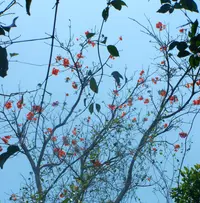
Ziricote (Cordia dodecandra) is a tropical hardwood tree valued for its dense, decorative timber and modest ornamental foliage. It is typically grown outdoors in warm climates, where it forms a medium to large tree with a rounded crown.
In its native range of Central America, Mexico, and the Caribbean, it grows in seasonally dry forests and coastal areas. The tree has simple green leaves, small pale flowers, and olive-like fruits.
Its preference for warm temperatures, strong light, and well-drained soil makes it easier to grow in subtropical or tropical regions than in cooler areas. Understanding how to care for ziricote starts with recognizing its need for consistent warmth and protection from frost.

Care Difficulty
Moderate Care

Light Preference
Full Sun

Water Requirements
Moderate Water

Temperature Preference
Tropical / Frost Sensitive

Hardiness Zone
10–12

Soil Texture
Sandy, Loamy, Organic-rich

Soil pH
Slightly acidic (6.5–7.0), Neutral (7.0)

Soil Drainage
Well-drained

Fertilization
Minimal (feed rarely)
Scan your plant to receive care tips personalized for your specific plant
Available on iOS and Android
Cordia dodecandra thrives in bright, direct sun in warm climates where it is grown as a landscape tree.
Cordia dodecandra prefers evenly moist but well-drained soil once established in the landscape.
This warm-climate tree grows best in consistently hot conditions without frost exposure.
This species prefers moderately humid air and reacts to very dry conditions.
Cordia dodecandra grows best in loose, well-draining, slightly gritty soil.
This tree is only moderately suitable for long-term container growing and stays healthier in large, outdoor tubs than in small pots.
Cordia dodecandra benefits from light, targeted feeding but grows acceptably in modest soils.
Pruning Cordia dodecandra is useful for structure, clearance, and long-term health.
This species is mainly grown in-ground, so transplanting young trees correctly is more important than frequent repotting.
Cordia dodecandra is usually propagated by seeds, with stem cuttings used less often.
Cordia dodecandra is a tropical to subtropical tree that dislikes frost and needs protection in cooler climates.

Plant Health Check
Not sure what's wrong with your plant? Check your plant's health inside the app.
The wood of this species is extremely dense and fine-grained, making it valued for high-end furniture, turnery, and specialty items such as musical instruments and decorative veneers.
Its small, dark purple fruits are edible and sweet, and in parts of Mexico they are eaten fresh or used locally as a seasonal wild food.
This tree is naturally found in seasonally dry tropical forests of southeastern Mexico and Central America, showing strong adaptation to long dry seasons and calcareous, often rocky soils.

This species is one of the traditional timbers traded under the name ziricote, and its striking dark-and-light patterned heartwood has made it especially sought after by luthiers for crafting high-end guitar backs and sides, placing pressure on some wild populations in its native range.
This tree has a moderate growth rate, usually adding about 30–60 cm per year under warm, frost‑free, well‑watered conditions. Growth slows in poor soils, with competition from weeds, or when exposed to cool or dry weather.
Keep your plants happy and healthy with plant identification, disease detection, and easy care guidance.