cansaboca Care (Bunchosia armeniaca)

cansaboca

About cansaboca

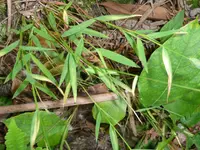
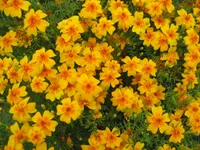
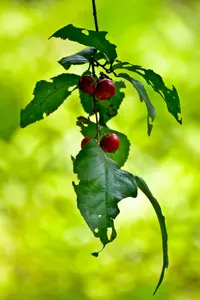
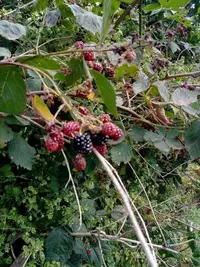
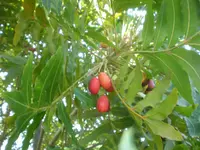
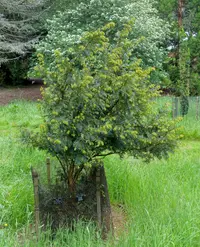
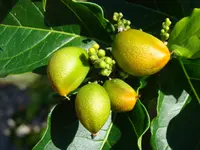
Cansaboca, Bunchosia armeniaca, is a small evergreen fruit tree known for its glossy green leaves and clusters of orange to red, apricot-like berries. It typically grows as a dense shrub or compact tree, making it suitable for warm-climate gardens and larger containers.

This species is native to tropical regions of Central and South America, where it thrives in warm, frost-free conditions. It prefers bright light, moderate moisture, and well-drained soil, which also guides how to care for cansaboca in home landscapes.

For most growers, its main appeal lies in its ornamental foliage and colorful, edible fruits, combined with a generally manageable growth habit in suitable climates.

Main Plant Requirements

Care Difficulty

Moderate Care

Light Preference

Full Sun

Water Requirements

Regular Water

Temperature Preference

Tropical / Frost Sensitive

Hardiness Zone

10–11

Soil Texture

Sandy, Loamy, Organic-rich

Soil pH

Acidic (5.5–6.5), Slightly acidic (6.5–7.0)

Soil Drainage

Moist but well-drained

Fertilization

Light (every 4–6 weeks)

Get Personalized Care Plan

Scan your plant to receive care tips personalized for your specific plant

Available on iOS and Android

How to Care for the cansaboca

Bunchosia armeniaca grows best with strong, warm-season light while avoiding harsh burn.

  • Provide 6–8 hours of sun daily, with morning sun and light afternoon shade ideal, especially in hotter regions.
  • Tolerates partial shade (around 3–4 hours direct sun) but fruiting and flowering on cansaboca decline in deep shade.
  • In summer, protect from intense mid-afternoon sun to prevent leaf scorch; in winter, maximize exposure by avoiding shade from buildings or trees.

This species prefers consistently moist but not saturated soil for steady growth and fruiting.

  • Water when the top 3–5 cm of soil feels dry, then soak the root zone deeply so excess drains away.
  • In hot, dry periods, drying will occur faster and watering intervals shorten; in cool or rainy seasons, allow more time between waterings.
  • Wilting, dry leaf edges, and slow growth suggest underwatering, while yellowing leaves, soft stems, or sour-smelling soil point to overwatering and poor drainage.

This subtropical tree needs warm conditions and is sensitive to cold and frost.

  • Aim for 65–85°F (18–29°C) for active growth, with the best performance near the middle of this range.
  • Short drops to about 40°F (4°C) may be survived, but foliage damage increases near this level and below.
  • Protect from frost and freezing temperatures, and in heat above 95°F (35°C) provide extra water and some afternoon shade to limit stress.

This species benefits from moderately humid air but adapts to typical indoor conditions.

  • Aim for 50–70% humidity to reduce leaf edge browning and keep growth steady.
  • Tolerates short periods of dry air, but prolonged humidity below 40% can cause curling, crispy tips, and slower growth.
  • Increase humidity with a nearby humidifier or grouped plants rather than misting, which adds little sustained moisture.

Bunchosia armeniaca prefers a loose, well-drained, organically enriched substrate that stays slightly moist but never waterlogged.

  • Use a loamy mix with 40–50% compost or well-rotted bark-based material plus coarse sand or perlite for structure.
  • Ensure fast drainage by avoiding heavy clay-based mixes that hold water around the roots and limit oxygen.
  • Keep pH slightly acidic to neutral, around 6.0–7.0, to support nutrient availability and root function.
  • Improve aeration by incorporating chunky materials such as pine bark fines or pumice, avoiding dense, fine peat alone.

This species can be grown successfully in containers when given enough root space and stable support.

  • Choose a deep, heavy pot to anchor the shrub’s eventual height and prevent tipping in wind.
  • Select a container material that moderates moisture, such as thick-walled terracotta or ceramic, to prevent rapid drying.
  • Leave a 3–5 cm gap below the rim for thorough surface watering without overflow, ensuring even wetting of the whole root zone.

Bunchosia armeniaca benefits from moderate feeding during active growth but does not require heavy fertilization.

  • Use a balanced liquid fertilizer (for example 10-10-10) at 1/2 strength every 4–6 weeks in spring and summer.
  • Apply a thin layer of well-rotted compost over the root zone once a year to support soil biology and slow nutrient release.
  • Pause or reduce feeding to a mild compost tea once in late autumn and skip synthetic fertilizer in winter dormancy.
  • For cansaboca in containers, flush the soil with plain water a few times per season to limit salt buildup before feeding again.

Pruning Bunchosia armeniaca is useful for maintaining a compact, productive canopy and good light penetration.

  • Schedule main pruning at the end of winter or very early spring before strong new growth begins.
  • Remove dead, diseased, or crossing branches with clean, sharp bypass pruners to improve airflow and reduce infection risk.
  • Shorten overly vigorous shoots to shape the crown and keep fruiting wood within easy reach.
  • Make cuts just above outward-facing buds and avoid removing more than 20–25% of the canopy in one season.

This species is usually grown in the ground, so focus on careful transplanting and only occasional container repotting.

  • Plan major transplanting for late winter to early spring when growth is just about to restart.
  • Look for roots circling the pot, water draining too fast, or slowed growth as signs a container plant needs a larger container.
  • Move up only 1–2 pot sizes, loosen circling roots gently, and plant at the same depth in a free-draining, organically enriched mix.
  • Water thoroughly after transplanting, provide light shade for 1–2 weeks, and avoid heavy pruning at the same time to limit root stress.

Bunchosia armeniaca is most often propagated from seed, with vegetative methods used when clonal traits matter.

  • Sow fresh seeds in late spring in a warm medium at 70–80°F, barely covered, and keep evenly moist but not waterlogged.
  • Provide bright, indirect light and consistent warmth; germination may be slow and uneven over several weeks.
  • For semi-hardwood cuttings, take pencil-thick pieces in late spring, use rooting hormone, and place in a humid, well-drained mix.
  • Maintain high humidity with a vented cover and bottom warmth, then harden young plants gradually as roots strengthen.

This tropical species is frost sensitive and needs active winter care in climates with cool or freezing conditions.

  • In-ground plants in marginal zones benefit from 5–8 cm of organic mulch over the root zone, kept away from the trunk.
  • Wrap young trunks with breathable frost cloth during cold snaps to limit bark damage.
  • Move container plants indoors or into a greenhouse before temperatures drop below 40°F, giving them bright light and reduced watering.

Care Tips

Wind protection

Shelter young trees from strong prevailing winds with temporary windbreak netting or by planting near a fence, since persistent wind stress can reduce flowering and fruit set when growing cansaboca outdoors.

Structured branch training

Select 3–5 evenly spaced main branches during the first 2–3 years and lightly tie them to a radial pattern on a support stake, which improves light penetration, fruit access, and long-term structural strength.

Fruit thinning practice

When clusters set heavily, remove about half of the immature fruits in each cluster so the remaining fruits size up better and the plant does not exhaust itself, especially on young or container-grown specimens.

Mulch management

Maintain a 5–8 cm ring of organic mulch over the root zone but keep it 5–8 cm away from the trunk to stabilize soil moisture, suppress weeds, and reduce the risk of collar rot.

Preventive pest scouting

Inspect new growth, flower clusters, and the undersides of leaves weekly during warm months for scale insects, aphids, or mites, and treat early with horticultural oil or insecticidal soap before infestations build up.

Common Pests and Diseases

Fruit flies

These insects are strongly attracted to the soft, sweet fruits, where they lay eggs that develop into larvae feeding inside the pulp. Symptoms include small puncture marks on the skin, premature fruit drop, and fruit that rots quickly from the inside.

Solution

Collect and destroy infested or fallen fruits promptly, and harvest fruit as it ripens rather than leaving it on the tree. Use fine-mesh fruit bags on clusters, hang baited traps around the canopy, and keep the area under the tree clean to break the fly life cycle.

Scale insects

This pest appears as small, fixed bumps on young stems, leaf midribs, and sometimes fruits, sucking sap and weakening the shrub. Symptoms include sticky honeydew, black sooty mold growth, and yellowing or stunted new growth.

Solution

Prune out heavily infested twigs and wipe remaining scale with a cotton pad dipped in diluted alcohol or insecticidal soap. For larger shrubs, apply horticultural oil thoroughly to branches and leaf undersides during mild weather, repeating as needed to cover newly hatched crawlers.

Leaf spot

This disease causes round to irregular brown or dark spots on leaves, often with yellow halos, which may coalesce and lead to partial defoliation in humid conditions. Symptoms include thinning foliage and reduced flowering and fruiting when infections are heavy.

Solution

Remove and dispose of affected leaves from the plant and ground to reduce inoculum, and avoid overhead watering that keeps foliage wet for long periods. Improve spacing and airflow in the canopy; in persistent humid conditions, a labeled copper or chlorothalonil fungicide can be used preventively on new leaves.

Anthracnose

This disease attacks young leaves, shoots, and sometimes fruit, creating sunken dark lesions, distorted new growth, and dieback of tender tips during warm, wet weather. Symptoms include scorched-looking leaf edges and patchy browning along the veins.

Solution

Prune and discard infected twigs and leaves, cutting back to healthy tissue, and disinfect pruning tools between cuts. Reduce leaf wetness by watering at soil level and improving airflow; in areas with recurrent outbreaks, start a preventive fungicide program at the onset of warm, rainy periods following local Bunchosia armeniaca plant care guidance.

Interesting Facts

Persistent cherry aroma

The ripe fruits have a strong, sweet scent and flavor reminiscent of artificial cherry syrup, which is why the species is widely known as peanut butter fruit or cherry fruit tree in its native and cultivated range.

Oil‑rich fruit pulp

Chemical analyses show the orange-red pulp is notably rich in lipids for a fruit, giving it a dense, pasty texture closer to a soft nut butter than to most fresh berries.

Specialized Neotropical range

This shrub or small tree is naturally distributed from Central America into northern South America, where it grows in warm, low- to mid-elevation habitats and is often integrated into small agroforestry systems for its unusual fruit.

Botan icon

Did you know?

The fruits ferment very quickly after harvest, which makes them difficult to store or ship and is one reason the species has remained a local backyard and market curiosity rather than entering large-scale commercial fruit production.

FAQs about cansaboca

Growth is moderate under warm, bright, frost-free conditions. Young plants often add 30–60 cm per year once established. Cool temperatures, low light, nutrient-poor soil, or root restriction in small containers will noticeably slow extension growth and branching.

Grow Healthy Plants with Botan Care

Keep your plants happy and healthy with plant identification, disease detection, and easy care guidance.

Botan plant care app — identify plants on mobile

Explore More Plants