Root-sucker management
Inspect the base of the plant and surrounding soil 2–3 times per year and remove any root suckers promptly so energy is directed into the main stems rather than unwanted side shoots.

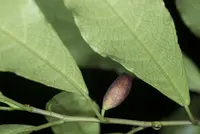
Ficus formosana is a small fig species from forests and rocky slopes in Taiwan and nearby regions of East Asia. It usually grows as a shrub or small tree with upright, branching stems. Leaves are simple, often oval to slightly elongated, giving the plant a neat, structured look. In nature it may form dense thickets and can behave as an understory plant in bright but filtered light. It prefers warm conditions, moderate moisture, and well-draining, fertile soil. With stable conditions and no extreme cold, how to care for Ficus formosana is relatively straightforward for growers familiar with woody figs.

Care Difficulty
Moderate Care

Light Preference
Partial Shade

Water Requirements
Moderate Water

Temperature Preference
Tropical / Frost Sensitive

Hardiness Zone
10–11

Soil Texture
Loamy, Sandy, Organic-rich

Soil pH
Acidic (5.5–6.5), Slightly acidic (6.5–7.0)

Soil Drainage
Well-drained

Fertilization
Minimal (feed rarely)
Scan your plant to receive care tips personalized for your specific plant
Available on iOS and Android
This species prefers bright, indirect light with some protection from intense midday sun.
This plant prefers consistently slightly moist, but not saturated, soil conditions.
This fig favors warm, frost-free conditions and reacts poorly to sudden temperature extremes.
This species prefers moderate air moisture but tolerates typical indoor levels if not extremely dry.
This fig grows best in loose, well-aerated, fast-draining substrate that still holds some moisture.
This species adapts well to container growing when root space and drainage are managed carefully.
Nutrient inputs support steady growth, but Ficus formosana does not need heavy feeding in typical home conditions.
Thoughtful pruning helps maintain structure, health, and size without stressing Ficus formosana.
Container-grown plants and young landscape specimens benefit from careful repotting or transplanting to support root health.
New plants are most often produced from semi-hardwood stem cuttings taken during the active growing season.
This species is frost sensitive and needs protection in regions with cold winters, especially when grown in containers.

Plant Health Check
Not sure what's wrong with your plant? Check your plant's health inside the app.
This species is native to Taiwan and parts of southeastern China, where it typically grows as a small to medium evergreen tree in warm lowland forests and along forest edges.
The leaves can show noticeable variation in size and shape within a single tree, ranging from more elongated to slightly broader blades, which sometimes leads to confusion with related fig species in the field.
Its small figs are eaten by local birds, which then disperse the seeds through their droppings, helping maintain natural forest regeneration and connectivity between fragmented habitats.
Growth is moderate under suitable conditions. Young plants usually add 15–30 cm of height per year, sometimes more in warm climates. Root space, nutrition, and consistent moisture strongly influence overall vigor and stem elongation.
Keep your plants happy and healthy with plant identification, disease detection, and easy care guidance.