Jezo Spruce Care (Picea jezoensis)

Also known as: Yeddo Spruce, dark-bark spruce
Jezo Spruce

About Jezo Spruce

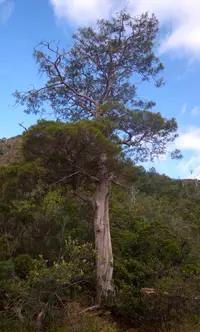
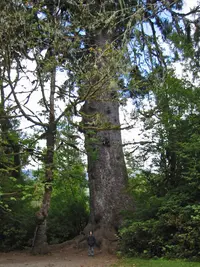
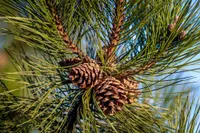
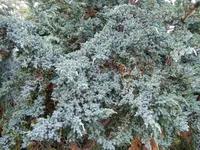
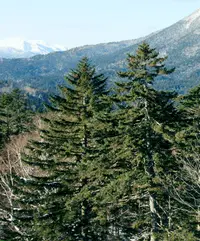
Jezo spruce, Picea jezoensis, is a cold-hardy coniferous tree native to northern Japan and parts of eastern Russia. It forms a tall, narrow crown with dense, short needles and hanging cones.

In nature it grows in cool, moist forests and along mountain slopes, often forming mixed stands with other conifers. Its slow to moderate growth rate and strong tolerance of cold make it suitable for colder climates.

It prefers full sun, evenly moist but well-drained, slightly acidic soil. Understanding these basic needs provides a solid starting point on how to care for Jezo Spruce in gardens and larger landscapes.

Main Plant Requirements

Care Difficulty

Moderate Care

Light Preference

Full Sun

Water Requirements

Regular Water

Temperature Preference

Cold Hardy

Hardiness Zone

4–7

Soil Texture

Sandy, Loamy, Silty

Soil pH

Strongly acidic (4.5–5.5), Acidic (5.5–6.5)

Soil Drainage

Moist but well-drained

Fertilization

Minimal (feed rarely)

Get Personalized Care Plan

Scan your plant to receive care tips personalized for your specific plant

Available on iOS and Android

How to Care for the Jezo Spruce

This cold-climate conifer prefers cool, bright conditions with limited harsh afternoon sun.

  • Provide 4–6 hours of direct morning sun with light shade or filtered light after midday, especially in hotter regions.
  • Tolerates partial shade, but very dense shade causes sparse, weak growth and increased needle drop in Jezo Spruce.
  • In summer, protect from reflected heat and strong western sun; in winter, full sun is beneficial, but frozen soil plus intense sun can lead to winter burn, so mulch and wind protection help.

This species prefers evenly moist, cool soil and reacts poorly to both drought and waterlogging.

  • Allow the top 3–5 cm of soil to dry slightly, then water deeply so moisture reaches the full root zone, rather than giving frequent shallow waterings.
  • In the first 2–3 growing seasons, watch the foliage: dull, limp needles and light branch droop suggest underwatering, while yellowing inner needles and persistent soggy soil indicate overwatering.
  • Use well-drained, slightly acidic soil; avoid standing water or compacted clay, and in hot, dry periods increase deep watering frequency while maintaining a loose, airy soil structure for Picea jezoensis.

This hardy conifer thrives in cool to cold climates and prefers moderate summer temperatures.

  • Best active growth occurs around 55–70°F (13–21°C), with cooler nights improving vigor and reducing stress.
  • Mature trees tolerate lows near -40°F (-40°C) when well established, but young plants benefit from mulch to buffer rapid freeze–thaw cycles and protect surface roots.
  • Heat tolerance is limited; prolonged periods above 85°F (29°C), especially with dry winds, can cause needle scorch, so provide soil moisture, organic mulch, and some afternoon shade in warmer areas.

This conifer prefers cool, moderately moist air but usually adapts to outdoor ambient humidity.

  • Target ambient humidity around 40–60% in container or sheltered plantings, avoiding hot, extremely dry sites.
  • Dry air combined with heat can cause browning needle tips and increased spider mite activity on Jezo Spruce.
  • Increase humidity locally by mulching the root zone, grouping plants, and using windbreaks rather than overhead misting.

Picea jezoensis prefers cool, moist, well-structured soil that stays aerated but not waterlogged.

  • Use a deep, loamy mix with plenty of organic matter such as composted bark or leaf mold to mimic forest soil.
  • Aim for slightly acidic conditions, roughly pH 5.0–6.5, and avoid strongly alkaline or limy substrates that restrict nutrient uptake.
  • Ensure free drainage with coarse sand or fine gravel in the mix and never allow the root zone to sit in standing water.
  • Improve aeration by incorporating chunky bark or pumice and avoid heavy, compacted clays or peat-only substrates.

This species can be grown in containers for several years, especially as a young or dwarf selection.

  • Choose a container at least as deep as the expected root ball height to reduce circling roots and stabilize the tree in wind.
  • Select a heavy, stable pot material such as ceramic or thick-walled plastic to counter the top-heavy evergreen crown.
  • Elevate the container slightly on pot feet or bricks so drainage holes stay free and frost-thaw cycles do not block outlet flow.

This species grows slowly and often needs only modest feeding in cultivation.

  • Use a balanced, slow-release conifer fertilizer (for example 10-10-10) in early spring for Jezo Spruce in poor or heavily drained soils.
  • Apply once in spring and, if growth is weak, again in midsummer; avoid late-season feeding that encourages tender growth.
  • Use 1/2–3/4 the label rate, focusing fertilizer at the drip line rather than against the trunk.
  • Skip fertilizer in winter and reduce or omit feeding entirely on trees growing vigorously in the landscape.

Picea jezoensis benefits from light, selective pruning rather than heavy cutting.

  • Carry out pruning in late winter to early spring before new growth starts, or lightly in midsummer after shoots harden.
  • Remove dead, diseased, or crossing branches first, then thin crowded interior twigs to improve light and airflow.
  • Use clean, sharp bypass pruners or loppers and make cuts just outside the branch collar without leaving stubs.
  • Limit cuts to small branches to maintain the natural pyramidal form and avoid cutting back into leafless, old wood.

This conifer is usually grown in the ground, so focus on careful transplanting rather than frequent repotting.

  • Transplant in early spring or early fall when temperatures are mild and soil moisture is steady.
  • Move only when necessary, such as when roots circle the pot, growth stalls, or the tree outgrows its site.
  • Dig a wide root ball, disturb roots as little as possible, and set the tree at the same depth in the new location.
  • Water deeply after planting, mulch 5–8 cm around (not touching) the trunk, and keep soil evenly moist to limit transplant shock.

Propagation of this species is possible but slow and mainly useful for specialized growers.

  • Grow Picea jezoensis mostly from seeds collected from mature cones, sown fresh in late fall or after cold stratification.
  • Provide a cold period of 60–90 days at about 35–40°F, then germinate seeds in a cool, bright spot with evenly moist, well-drained mix.
  • Use semi-ripe cuttings in late summer with rooting hormone and high humidity, accepting low and slow rooting rates.
  • Keep seedlings and cuttings free from drought, waterlogging, and strong direct sun while roots establish.

This species is naturally cold hardy and usually needs only basic winter care once established in the landscape.

  • Mulch the root zone with 5–8 cm of bark or leaf mold in late fall, keeping mulch away from the trunk.
  • Water well before the ground freezes, especially for young or recently transplanted trees in dry autumns.
  • For container plants, move pots to a sheltered, unheated space or insulate containers to prevent root freezing.

Care Tips

Windward placement

Site young trees where prevailing winds are partially broken by buildings or taller trees, since consistent high winds can desiccate needles and distort new growth on exposed specimens.

Snow load management

In snowy climates, gently brush off heavy, wet snow from branches with a soft broom to reduce the risk of limb breakage, especially on multi-leader or wide-spreading forms.

Root zone protection

Maintain a 5–8 cm layer of neutral organic mulch over the root zone, keeping it a few cm away from the trunk, to buffer soil temperature and protect the shallow feeder roots from mechanical damage.

Minimal root disturbance

Avoid frequent cultivation or planting of aggressive groundcovers directly under the canopy, since the fine, surface-feeding roots are easily damaged and recover slowly in compacted or disturbed soils.

Early structural training

In the first 5–8 years, select and lightly stake a single, straight leader and remove competing uprights during late winter, which simplifies long-term structural management when caring for Jezo Spruce in landscape settings.

Common Pests and Diseases

Spruce spider mites

This pest feeds on the needles, causing fine stippling, dull gray-green discoloration, and premature needle drop, especially on inner and lower branches. Symptoms include thin webbing on twigs and a dusty appearance on affected foliage.

Solution

Rinse foliage thoroughly with a strong but controlled stream of water, especially under needles, 2–3 times over 7–10 days, and improve site conditions by reducing heat and drought stress. For heavier infestations, use a horticultural oil or insecticidal soap labeled for conifers, applied in cool weather to avoid needle burn, and repeat as directed while monitoring with a white paper shake test under branches.

Spruce aphids

These insects cluster on young shoots and needle bases, sucking sap and causing needle yellowing, distortion, and early drop, often leaving sticky honeydew on lower branches. Sooty mold may develop on honeydew, making needles appear blackened.

Solution

Prune and discard heavily infested shoot tips and encourage good air movement around the tree to reduce humidity around colonies. If needed, apply insecticidal soap or a light horticultural oil in early spring when populations are building, targeting the undersides of needles and repeating based on label directions while monitoring for natural predators such as lady beetles.

Spruce needle cast

This disease, usually caused by Rhizosphaera or similar fungi, leads to browning and shedding of older needles while new growth may stay green, giving the tree a thinned, tufted look. Symptoms include small dark fungal fruiting bodies visible in rows on needles when viewed with a hand lens.

Solution

Remove and destroy heavily affected lower branches or fallen needles to reduce fungal spores, and water at soil level instead of overhead to keep foliage dry. In areas with a history of the problem, apply a copper-based or chlorothalonil fungicide labeled for spruce in late spring when new needles are half to fully expanded, repeating at the recommended intervals during wet seasons as part of broader Picea jezoensis care instructions.

Spruce needle rust

This disease produces pale spots that turn into conspicuous orange pustules on needles, which may drop prematurely and thin the canopy. In some regions, it alternates between spruce and certain herbaceous hosts such as chickweed or willowherb.

Solution

Collect and dispose of fallen needles and remove nearby alternate host weeds where practical to disrupt the fungus life cycle. In high-risk sites with a known history, protect new growth with a labeled fungicide at budbreak and again 2–3 weeks later, and maintain good spacing and airflow around trees to help needles dry quickly after rain.

Bark beetles

These insects bore into the trunk and larger branches, creating galleries under the bark that disrupt water flow and can quickly weaken or kill stressed trees. Symptoms include pitch tubes (resin blobs), boring dust at the base, and sudden browning of entire sections of the crown.

Solution

Prevent infestation by keeping trees vigorous with adequate but not excessive watering during drought, avoiding mechanical damage, and not piling mulch or soil against the trunk. Once attack is established, remove and destroy heavily infested trees or branches to reduce beetle populations, and in high-risk regions consider preventive trunk sprays with an appropriate insecticide applied by a licensed professional before peak beetle flight periods.

Interesting Facts

Boreal rainforest dominant

This spruce is one of the main canopy trees of the cool, wet mixed conifer forests of Hokkaido and the Russian Far East, often forming extensive stands with Sakhalin fir and Kuril larch.

Adapted to heavy snow

Its flexible branches and narrow crown shape help shed deep, heavy snow common in its native coastal and montane habitats, reducing breakage and mechanical stress.

Cold and shade tolerant

It grows naturally in very cold climates with long winters and is able to regenerate under partial shade, which allows it to persist in stable, old-growth forest structures.

Botan icon

Did you know?

In old-growth forests of Hokkaido and Sakhalin, individual trees of this species have been found that are several centuries old, forming part of some of the most long-lived and structurally complex conifer forests in northeast Asia.

FAQs about Jezo Spruce

Growth is moderate. Young trees typically add about 20–35 cm in height per year under good conditions. Rate slows as the tree matures. Poor soil, drought, or competition from other trees can further reduce annual growth.

Grow Healthy Plants with Botan Care

Keep your plants happy and healthy with plant identification, disease detection, and easy care guidance.

Botan plant care app — identify plants on mobile

Explore More Plants