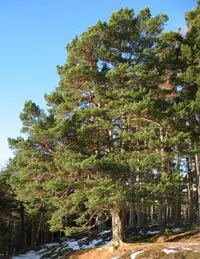
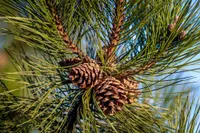
Singleseed Juniper Care (Juniperus squamata 'Blue Star')

Also known as: Flaky Juniper, Himalayan Juniper
Singleseed Juniper

About Singleseed Juniper

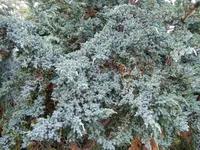
Juniperus squamata 'Blue Star' is a compact, slow-growing conifer valued for its dense, star-shaped clusters of bright blue needles. It typically forms a low, rounded mound and is often used in rock gardens, borders, and containers for year-round structure and color.

This cultivar originates from a species native to the mountainous regions of the Himalayas and western China, where conditions are sunny and well-drained. Its tough, drought-tolerant nature makes it relatively easy to grow once established.

Understanding how to care for Singleseed Juniper is straightforward, since it prefers full sun, good air flow, and soil that does not stay wet for long periods.

Main Plant Requirements

Care Difficulty

Easy Care

Light Preference

Full Sun

Water Requirements

Low Water

Temperature Preference

Cold Hardy

Hardiness Zone

4–8

Soil Texture

Sandy, Loamy, Rocky

Soil pH

Acidic (5.5–6.5), Slightly acidic (6.5–7.0)

Soil Drainage

Well-drained

Fertilization

Minimal (feed rarely)

Get Personalized Care Plan

Scan your plant to receive care tips personalized for your specific plant

Available on iOS and Android

How to Care for the Singleseed Juniper

This compact conifer prefers bright, direct sun for dense, blue foliage and strong growth.

  • Provide 6–8 hours of direct sun daily; full sun from morning through midafternoon gives best color and tight habit.
  • It tolerates light partial shade, especially in hot climates, but foliage may turn greener and growth looser if sun drops below about 4 hours.
  • In intense summer heat, avoid reflected or scorching late-afternoon sun that can brown needle tips; new plantings benefit from brief filtered light during heatwaves.

This shrub prefers infrequent, deep watering once established, with soil allowed to dry slightly between soakings.

  • For in-ground plants, water when the top 5–8 cm of soil are dry, soaking the root zone, then allow excess to drain completely.
  • Use sharply drained soil or a sloped site; persistent soggy soil, yellowing needles, and dieback from the base often indicate overwatering or poor drainage.
  • During the first growing season, Juniperus squamata 'Blue Star' may need weekly deep watering in dry weather, then less often once roots are established.

This juniper is a hardy outdoor shrub that tolerates a wide temperature range once established.

  • Optimal active growth occurs around 60–75°F (16–24°C), common in spring and early summer in many temperate climates.
  • Mature plants tolerate winter lows near -20°F (-29°C) when planted in the ground; prolonged colder snaps may cause some tip burn but are usually survived.
  • In summer, it handles heat up to about 90–95°F (32–35°C) if soil is not waterlogged and roots stay mulched; avoid hot, reflective sites that bake the root zone.

Juniperus squamata 'Blue Star' handles a wide humidity range and rarely needs special humidity management.

Juniperus squamata 'Blue Star' prefers lean, mineral soils that drain quickly and do not stay wet.

  • Use a sandy or gritty loam with 30–50% coarse material such as sharp sand, fine gravel, or pumice to keep pores open.
  • Aim for slightly acidic to neutral pH, around 6.0–7.5, as strongly alkaline or salty soils reduce vigor and color.
  • Blend in a small amount of compost or aged bark for structure, but avoid heavy peat that holds water for long periods.
  • Raise planting areas or use mounded beds on heavy clay sites to improve drainage and root aeration.

This species adapts well to container growing outdoors when provided with a stable, free-draining setup.

  • Choose a low, wide container to match its spreading habit and reduce tipping in strong winds.
  • Select a heavier material such as ceramic or concrete if the site is exposed, to anchor the shallow root system.
  • Fill the container with a gritty, fast-draining mix so water moves through quickly and roots are not confined in soggy pockets.

Juniperus squamata 'Blue Star' grows best in lean, well-drained soil and needs only modest feeding.

  • Apply a slow-release, balanced NPK granular fertilizer (around 10-10-10) once each spring to established plants.
  • Use light rates; roughly half the label recommendation is sufficient for caring for Singleseed Juniper in average garden soil.
  • Avoid summer overfeeding, which encourages weak growth; skip fertilizer entirely on very fertile or amended sites.
  • Do not fertilize in late fall or winter, as the plant is semi-dormant and excess nutrients may stress roots.

Juniperus squamata 'Blue Star' needs minimal pruning, mainly to maintain a compact, healthy mound.

  • Carry out light pruning in late winter to early spring, before new growth begins.
  • Remove dead, diseased, or storm-damaged shoots using clean, sharp bypass pruners.
  • Thin congested interior branches slightly to improve air flow while preserving the plant’s natural shape.
  • Avoid cutting back into old, brown wood that lacks green foliage, since junipers rarely reshoot from bare stems.

This juniper is usually grown in the ground, so care focuses on thoughtful transplanting rather than frequent repotting.

  • Transplant in early spring or early fall, when temperatures are mild and soil is workable.
  • Move plants only when necessary, such as poor performance, siting issues, or clear root binding in containers.
  • Dig a wide root ball, disturb roots as little as possible, and replant at the same soil depth in well-drained ground.
  • Water deeply after transplanting, then keep soil slightly moist (not soggy) for several weeks to limit transplant shock.

Juniperus squamata 'Blue Star' is usually propagated by semi-hardwood cuttings rather than seed to keep the cultivar traits.

  • Take 7–10 cm semi-hardwood cuttings in late summer to early autumn from healthy, non-flowering shoots.
  • Use a heel cutting (a small strip of older wood) and dip the base in rooting hormone to improve success.
  • Insert cuttings into a sharply drained, gritty mix, then keep in bright, indirect light with steady, moderate moisture.
  • Maintain cool to mild temperatures (55–70°F) and be patient, as rooting can take several months before potting on.

This juniper is cold hardy in many temperate regions and usually needs only simple winter care in the landscape.

  • In zones near its cold limit, apply a 5–8 cm mulch layer around the root zone, keeping mulch off the trunk.
  • For container plants, move pots to a sheltered, unheated area where roots stay cold but not constantly waterlogged.
  • Brush off heavy, wet snow gently to prevent branch breakage, especially on older, dense specimens.

Care Tips

Rot-resistant mulching

Use a thin 2–3 cm layer of coarse gravel or small stone around the base instead of organic mulch to keep the crown dry, reduce weed pressure, and avoid rot at the stem collar.

Snow load management

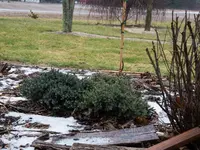
In snowy climates, gently brush off heavy, wet snow with a soft broom to prevent branch splaying or breakage, especially on older, denser plants.

Airflow spacing

When planting in beds or rock gardens, leave at least 45–60 cm between plants or hardscape so air can move freely through the foliage and reduce fungal issues.

Weed barrier use

Install a breathable landscape fabric under gravel in new plantings to limit deep-rooted weeds that compete with this shallow-rooted shrub while still allowing good drainage.

Targeted pest monitoring

Inspect inner branches a few times per year for spider mites and scale using a white paper shake test or hand lens, so any infestation can be treated early before it discolors the blue foliage when caring for Singleseed Juniper.

Common Pests and Diseases

Juniper scale

This pest appears as tiny white or gray bumps tightly attached to needles and stems, often causing needle yellowing and overall thinning of the plant. This pest is common on junipers grown in sunny, dry sites with plant stress.

Solution

Prune out and discard heavily infested branches, then hose down foliage to remove mobile crawlers in late spring. For persistent infestations, use a horticultural oil or insecticidal soap directed at the crawler stage, and reduce plant stress with correct watering and mulch to support overall Juniperus squamata 'Blue Star' plant care.

Spider mites

These insects are tiny sap feeders that cause fine speckling, bronzing, and eventual browning of the needles, often with delicate webbing in dry, hot weather. This pest is more severe on plants exposed to heat-reflecting surfaces or prolonged drought stress.

Solution

Spray the plant thoroughly with a strong stream of water to dislodge mites and webs, repeating every few days during outbreaks. If needed, apply insecticidal soap or a miticide labeled for spider mites, and maintain even soil moisture to reduce heat and drought stress that favor mite buildup.

Phomopsis tip blight

This disease affects young shoot tips, causing them to turn dull green, then tan or reddish-brown, often with a distinct boundary between dead tips and healthy inner growth. Symptoms include dieback starting at the outer tips and moving inward, especially on humid sites with frequent overhead watering.

Solution

Clip off and dispose of blighted shoot tips, cutting back into healthy tissue, and avoid leaving debris under the plant. Improve air circulation, water at the base instead of overhead, and in severe or recurrent cases use a fungicide labeled for Phomopsis on junipers during periods of new growth and wet weather.

Kabatina tip blight

This disease also causes browning of shoot tips, typically appearing in early spring on growth that was formed the previous year. Symptoms include gray to brown dead tips with small black fruiting bodies at the base of killed tissue.

Solution

Remove and discard affected shoots as soon as they are noticed, pruning a bit into healthy tissue to limit spread. Reduce plant stress with proper siting and watering, rake and dispose of fallen debris, and where this disease is recurrent consider a preventive fungicide program timed from late winter to early spring according to regional guidance on caring for Singleseed Juniper.

Cedar-apple rust

This disease produces orange to rust-colored spots or swellings on juniper branches, sometimes forming gelatinous orange galls in wet spring weather. Spores from these galls can infect nearby apple and crabapple trees, completing the disease cycle.

Solution

Prune out and discard infected galls and swollen twigs during dry weather, cutting several inches beyond visible symptoms. Avoid planting highly susceptible apple or crabapple cultivars nearby, and in regions with chronic rust pressure consider resistant landscape combinations or, if needed, targeted fungicide treatments timed to local rust forecasts.

Interesting Facts

Naturally dwarf mutation

This cultivar originated as a chance dwarf mutation (sport) selected from the species Juniperus squamata, giving it an unusually compact, slow-growing, cushion-like form compared with the typical species.

High-altitude ancestry

Its parent species is native to high mountain slopes in the Himalayas and western China, so the cultivar inherits strong tolerance to cold, sun, and wind that is unusual for such a small ornamental shrub.

Distinct steel-blue needles

The very short, awl-shaped needles have a waxy coating that scatters light, creating the characteristic dense, steel-blue star-like foliage clusters that distinguish it from other blue junipers.

Botan icon

Did you know?

This cultivar was introduced to horticulture in the mid-20th century and quickly became a standard dwarf conifer in rock gardens and trough plantings because few other conifers combine such a stable, tight bun habit with persistent blue coloration year-round.

FAQs about Singleseed Juniper

Brown foliage usually comes from root problems, chronic underwatering or overwatering, compacted or poorly drained soil, or winter burn. Check soil moisture, drainage, and root health, then prune dead tips to reduce stress and encourage new growth.

Grow Healthy Plants with Botan Care

Keep your plants happy and healthy with plant identification, disease detection, and easy care guidance.

Botan plant care app — identify plants on mobile

Explore More Plants