Rose Care (Rosa 'Blanc Double de Coubert')

Rose

About Rose

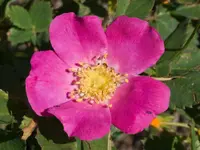
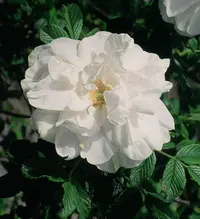
Rosa 'Blanc Double de Coubert' is a hardy rugosa rose cultivar known for its double white flowers and strong, clean fragrance. It forms a dense, upright shrub with coarse, textured foliage and attractive orange-red hips after flowering.

This rose originates from breeding work based on the rugged rugosa roses, which are native to coastal areas of East Asia and adapted to wind, salt, and poor soils. It is valued for disease resistance, cold hardiness, and reliability, which can make it simpler to care for Rose compared with more delicate hybrid teas.

Rosa 'Blanc Double de Coubert' prefers full sun, good air flow, and well-drained soil, and it usually performs well in average garden conditions without demanding care routines.

Main Plant Requirements

Care Difficulty

Moderate Care

Light Preference

Full Sun

Water Requirements

Regular Water

Temperature Preference

Cold Hardy

Hardiness Zone

3–9

Soil Texture

Loamy, Sandy, Organic-rich

Soil pH

Acidic (5.5–6.5), Slightly acidic (6.5–7.0)

Soil Drainage

Moist but well-drained

Fertilization

Light (every 4–6 weeks)

Get Personalized Care Plan

Scan your plant to receive care tips personalized for your specific plant

Available on iOS and Android

How to Care for the Rose

This rugged shrub rose performs best with strong outdoor light and ample direct sun.

  • Provide 6–8 hours of direct sun daily, ideally with morning sun and some light afternoon shade in hot climates to protect petals and foliage from scorch.
  • Plant in an open, unshaded site; it tolerates light partial shade (around 4–5 hours sun) but flowering and fragrance decrease as light levels drop.
  • In summer, avoid intense reflected heat from walls or paving, and in winter ensure the plant is not shaded by buildings or evergreen trees.

This rose prefers evenly moist but not saturated soil, supported by deep, infrequent watering.

  • Water when the top 3–5 cm of soil feels dry, applying a slow, deep soak at the root zone rather than light surface sprinkling to encourage deep rooting.
  • During hot, dry periods, check soil every 2–3 days; in cool or rainy seasons, extend intervals and skip watering if soil remains slightly moist.
  • Use well-drained loam or amended clay; persistent wetness, yellowing leaves, and soft stems indicate overwatering, while crisp leaves and drooping buds suggest underwatering for Rosa 'Blanc Double de Coubert'.

This hardy shrub tolerates a wide temperature range but flowers best in moderate conditions.

  • Active growth and flowering are strongest around 60–80°F (16–27°C), with steady performance in typical spring and early summer conditions.
  • The shrub is very cold-hardy, surviving down to about -20°F (-29°C) once established, though new spring growth is vulnerable to late frosts and may need protection.
  • In hot spells above 90°F (32°C), blooms may scorch and fade faster, so provide mulch to cool the root zone and avoid reflected heat from nearby hard surfaces.

This rose tolerates a wide humidity range and usually does not need special adjustments outdoors.

  • Target 40–60% humidity, which matches typical outdoor conditions in most temperate gardens.
  • Dry air is rarely harmful if soil moisture is stable, but prolonged hot, dry winds can crisp leaf edges.
  • Humidity stress shows as wilting despite moist soil; use mulch and wind protection rather than misting to moderate moisture loss.

Rosa 'Blanc Double de Coubert' grows best in deep, well-structured mineral soil that drains freely yet holds steady moisture.

  • Aim for a loamy soil with 30–40% compost or well-rotted manure mixed into existing garden soil to boost structure and nutrient-holding capacity.
  • Ensure drainage by avoiding heavy, compacted clay; lighten dense soil with coarse sand or fine gravel plus organic matter to improve aeration.
  • Keep pH slightly acidic to neutral, around 6.0–7.0, since this range helps roses access key nutrients such as iron and phosphorus.
  • Avoid permanently waterlogged, very shallow, or extremely sandy sites, and always break up hardpan layers so roots can penetrate more than 30 cm.

This cultivar can adapt well to container growing when provided with a large, stable, well-drained pot.

  • Choose a container at least 40–50 cm deep and wide so the woody root system can anchor and support vigorous top growth.
  • Use a heavy terracotta or stone pot in windy sites to reduce tipping as tall flowering stems develop.
  • Raise the pot on feet or bricks so drainage holes stay clear and excess water can escape quickly after rain or irrigation.

This rose responds well to moderate feeding during its active growing season.

  • Apply a balanced granular or slow-release rose fertilizer (for example, 10-10-10) in early spring as new growth starts.
  • Repeat light feedings every 6–8 weeks until late summer, avoiding late fall applications to prevent soft frost-tender growth.
  • Use compost or well-rotted manure as a spring mulch layer to add gentle nutrients and improve soil structure.
  • If using liquid feed, dilute to 1/2 strength and apply to moist soil to minimize root burn.

Thoughtful pruning keeps Rosa 'Blanc Double de Coubert' healthy, balanced, and flowering well.

  • Prune in late winter or very early spring before buds break, using clean, sharp bypass pruners.
  • Remove all dead, diseased, and damaged wood, cutting back to healthy tissue or the base of the cane.
  • Thin out weak, crossing, or crowded stems to open the center and improve air flow, which reduces disease pressure.
  • Shorten remaining strong canes by about 1/3 to control size and encourage vigorous new flowering shoots.

This shrub rose is usually grown in the ground and benefits from thoughtful transplanting rather than frequent repotting.

  • Plan transplanting for early spring or fall when temperatures are mild and the plant is not in peak bloom.
  • Move only if growth declines, roots circle a container, or the site is too shaded, dry, or waterlogged.
  • Dig a wide hole, keep as much of the root ball intact as possible, and set at the same soil level as before.
  • Water deeply after planting, mulch 5–8 cm around (not against) stems, and keep soil evenly moist until re-established.

Propagation of this rugosa-type rose is commonly done by cuttings or division of suckers.

  • Take semi-hardwood cuttings in late summer, 10–15 cm long, with at least 3 nodes from healthy, pest-free shoots.
  • Remove lower leaves, dip the cut end in rooting hormone, and insert into a free-draining mix of sand and peat or perlite.
  • Maintain high humidity, bright indirect light, and temperatures around 65–75°F until roots form, usually in several weeks.
  • Alternatively, lift and divide rooted suckers in early spring or fall, replanting divisions promptly and watering well.

This rose is cold hardy but benefits from simple winter care in colder regions.

  • Tolerates substantial frost once established, but young plants appreciate extra protection in the first 1–2 winters.
  • After hard frost, mound soil or compost 10–15 cm over the crown to insulate the root zone.
  • Apply a 5–8 cm mulch layer around the base, keeping it slightly away from stems, to limit freeze–thaw stress.
  • For container plants, move pots into an unheated garage or sheltered spot to prevent root freezing.

Care Tips

Encourage Airflow

Space plants so mature canes do not touch neighboring shrubs, and selectively thin crowded stems in the center to improve airflow and reduce black spot and mildew pressure when caring for Rose.

Targeted Deadheading

After each flush of flowers, cut spent blooms back to a strong 5-leaflet leaf facing outward to encourage repeat flowering and maintain a balanced shrub shape.

Salt-Tolerant Placement

Use this cultivar as a front-line hedge or near driveways and paths in coastal or de-icing salt areas, where its good salt tolerance makes it reliable compared with more sensitive roses.

Integrated Pest Monitoring

Inspect the underside of leaves and young shoots weekly from spring to midsummer, so aphids or Japanese beetles can be removed by hand or with a firm water spray before they build large populations.

Winter Wind Protection

In cold or windy sites, install a breathable windbreak (such as burlap on stakes) on the windward side in late fall to reduce cane desiccation and improve survival of upper growth over winter.

Common Pests and Diseases

Black spot

This disease causes round black spots with fringed edges on leaves, often followed by yellowing and premature leaf drop. Symptoms include a patchy, thinned canopy and reduced flowering if infections are repeated.

Solution

Remove and dispose of infected leaves, both on the plant and on the ground, and avoid overhead watering to keep foliage dry. Improve air circulation around the shrub, water at the base in the morning, and apply a labeled rose fungicide preventively during warm, wet periods as part of Rosa 'Blanc Double de Coubert' care.

Powdery mildew

This disease produces a white, powdery coating on young leaves, buds, and stems, causing distortion and reduced vigor. Symptoms include curled leaves and flower buds that fail to open properly in warm days and cool nights.

Solution

Prune out badly affected shoots, thin crowded stems to improve airflow, and avoid excess nitrogen fertilizer that promotes soft growth. Water at soil level, keep foliage dry, and use a suitable rose fungicide at the first sign of infection if cultural changes are not enough.

Rose aphids

These insects cluster on tender shoots, buds, and the undersides of leaves, sucking sap and causing curling, distortion, and sticky honeydew. This pest can attract sooty mold and may reduce flower quality if populations are high.

Solution

Dislodge aphids with a firm spray of water, especially on new growth, and pinch off heavily infested shoot tips. Encourage beneficial insects such as lady beetles, or use insecticidal soap or horticultural oil, applied thoroughly to all infested surfaces according to label directions.

Japanese beetles

These insects feed on leaves and flowers, leaving skeletonized foliage and chewed petals, often in midsummer. This pest can quickly defoliate exposed shrubs when beetle numbers are high.

Solution

Hand-pick beetles in the early morning and drop them into soapy water, repeating daily during peak activity. Limit nearby beetle-attracting plants, avoid placing beetle traps close to roses, and use row covers or labeled contact insecticides only when damage is severe.

Rose rust

This disease causes orange to rust-colored pustules on leaf undersides and yellow spots on upper surfaces, sometimes leading to leaf drop. Symptoms include weakened growth and reduced flowering when infections are heavy and recurrent.

Solution

Remove and destroy infected leaves and stems promptly, and maintain good spacing and pruning to keep foliage dry and well ventilated. Avoid overhead irrigation, clean up fallen leaves, and apply a rose-labeled fungicide preventively in areas where rust recurs each year.

Interesting Facts

Hybrid rugosa heritage

This cultivar is a hybrid rugosa rose selected from Rosa rugosa, so it combines the species’ cold hardiness, disease resistance, and distinctive crinkled foliage with large, double white flowers.

Salt and wind tolerant

The shrub tolerates coastal exposure and saline soils better than many garden roses, which is why it is often recommended for seaside gardens and dune plantings in temperate climates.

Strong clove fragrance

Flowers are well known among rosarians for a pronounced, spicy clove-like scent, which makes them popular in heritage-style gardens and sensory plantings.

Botan icon

Did you know?

The cultivar name honors the French rosarian Cochet-Cochet, who introduced it in 1892, and it became one of the classic white rugosa roses grown in European and North American gardens for more than a century.

FAQs about Rose

This hybrid rugosa rose is remontant, meaning it flowers repeatedly. It typically has a heavy flush in late spring to early summer, then continues producing smaller repeat blooms in waves until fall if kept healthy and deadheaded.

Grow Healthy Plants with Botan Care

Keep your plants happy and healthy with plant identification, disease detection, and easy care guidance.


Botan plant care app — identify plants on mobile

Explore More Plants