Encourage deep roots
Plant on a slight mound or in a raised spot so water drains away from the crown, which encourages deeper, drought-resilient roots instead of shallow, weak growth.

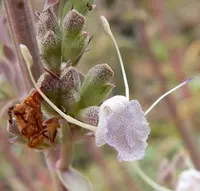
White sage, Salvia apiana, is a woody, evergreen shrub native to dry, coastal hills and deserts of Southern California and Baja California. It belongs to the mint family and is adapted to hot, sunny, low-rainfall environments.
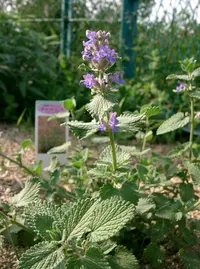
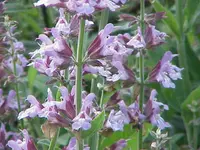
The plant forms a bushy mound with thick, silvery-white, aromatic leaves and tall flower stalks that attract bees and other pollinators. Its leaves contain essential oils that give a strong, resinous scent when rubbed.
Salvia apiana prefers full sun, very well-drained, lean soil, and low humidity, which makes it sensitive to overwatering and heavy, rich mixes. Understanding these traits is key to how to care for white sage, especially in wetter or cooler climates.

Care Difficulty
Moderate Care

Light Preference
Full Sun

Water Requirements
Low Water

Temperature Preference
Warm Climate

Hardiness Zone
8–11

Soil Texture
Sandy, Loamy, Rocky

Soil pH
Slightly acidic (6.5–7.0), Slightly alkaline (7.0–7.5)

Soil Drainage
Well-drained

Fertilization
Minimal (feed rarely)
Scan your plant to receive care tips personalized for your specific plant
Available on iOS and Android
This drought-adapted shrub thrives in strong sun and needs high light to stay compact and aromatic.
This species is highly drought tolerant and prefers infrequent, deep watering in fast-draining soil.
This desert-adapted shrub prefers warm, dry conditions and struggles in prolonged cold or humid heat.
This species prefers very dry air and usually needs no extra humidity indoors or outdoors.
Salvia apiana thrives in lean, very fast-draining, mineral-based soil that prevents prolonged root moisture.
This shrub can grow in containers if the setup closely mimics dry, open, well-drained ground conditions.
Salvia apiana is adapted to lean, rocky soils and needs only light feeding in cultivation.
Thoughtful pruning keeps Salvia apiana compact, healthy, and longer-lived.
Salvia apiana dislikes frequent disturbance, so repotting or transplanting should be rare and deliberate.
Propagation of Salvia apiana is usually done from semi-ripe cuttings or seeds under dry, bright conditions.
Salvia apiana is suited to mild, dry winters and needs protection in colder, wetter climates.

Plant Health Check
Not sure what's wrong with your plant? Check your plant's health inside the app.
White sage leaves are densely covered with tiny hairs that reflect light and trap moisture from fog and dew, helping the plant survive in hot, arid chaparral habitats with very low rainfall.
In its native Southern California and Baja California range, white sage often regenerates from seed after wildfires, taking advantage of opened soil and increased light in post-fire landscapes.
The flowers produce abundant nectar and are especially attractive to native bumble bees and carpenter bees, which fit the flower shape and effectively transfer pollen between plants.

Genetic and field studies show that wild populations of Salvia apiana are declining or fragmented in some parts of its native range due to habitat loss, climate stress, and overharvesting, so ethical sourcing and habitat conservation are increasingly important when people grow Salvia apiana at home instead of taking it from the wild.
Lack of blooms often comes from insufficient light, overly rich or damp soil, or heavy pruning at the wrong time. Ensure full sun, lean well‑drained conditions, and prune lightly after flowering so buds for next season can form.
Keep your plants happy and healthy with plant identification, disease detection, and easy care guidance.