Common sage Care (Salvia officinalis)

Also known as: kitchen sage, common sage, garden sage, Golden Sage, Culinary Sage
Common sage

About Common sage

Common sage, Salvia officinalis, is a small evergreen subshrub grown for its fragrant, gray-green leaves. It belongs to the mint family and is widely used as a culinary herb.

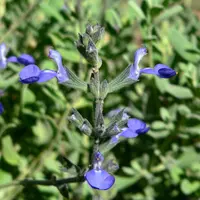
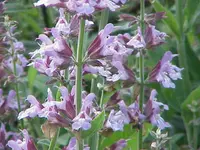
Plants form low, woody clumps with softly textured foliage and short spikes of purple to blue flowers. The compact form makes it suitable for beds, borders, and herb containers.

Salvia officinalis is native to the Mediterranean region, where it grows in dry, sunny, rocky habitats. This background explains its preference for full sun and well-drained, relatively lean soil.

Its drought tolerance and modest nutrient needs make it relatively easy to grow, as long as the soil does not stay wet. Understanding this natural habitat helps guide how to care for Common sage in home gardens.

Main Plant Requirements

Care Difficulty

Easy Care

Light Preference

Full Sun

Water Requirements

Low Water

Temperature Preference

Cold Hardy

Hardiness Zone

4–9

Soil Texture

Sandy, Loamy, Rocky

Soil pH

Slightly acidic (6.5–7.0), Slightly alkaline (7.0–7.5)

Soil Drainage

Well-drained

Fertilization

Minimal (feed rarely)

Get Personalized Care Plan

Scan your plant to receive care tips personalized for your specific plant

Available on iOS and Android

How to Care for the Common sage

This Mediterranean herb thrives in strong light to develop dense, aromatic foliage.

  • Provide 6–8 hours of direct sun daily; morning and midday sun are ideal, with some light afternoon shade in very hot climates.
  • Tolerates partial shade (4–5 hours sun), but Common sage becomes looser and less flavorful if light is too low.
  • In summer, protect from reflected heat and harsh late-afternoon sun; in winter, avoid shading from buildings or evergreens that cut light duration.

This species prefers infrequent, deep watering and drier soil between soakings.

  • Water garden plants only when the top 3–5 cm of soil is dry, allowing moisture to reach the full root zone, then let the soil dry again.
  • Use sharply draining soil; prolonged wetness, moss, or a sour smell around roots indicates overwatering and risk of root rot for Salvia officinalis.
  • Increase checks in hot, windy weather; leaves that wilt and feel dry to the touch but perk up after watering signal underwatering rather than rot.

This hardy subshrub tolerates a wide range of temperatures but grows best in moderate conditions.

  • Optimal growth occurs around 65–80°F (18–27°C); steady warmth with good air movement supports compact, healthy foliage.
  • Established plants usually survive down to about 10–15°F (-12 to -9°C) with mulch, but young plants are more vulnerable to sudden hard frost.
  • In hot spells above 90°F (32°C), provide afternoon shade and maintain soil moisture without waterlogging to reduce stress and leaf scorch.

This species prefers fairly dry air and usually thrives in typical indoor humidity.

  • Aim for 30–50% humidity, which suits the plant’s Mediterranean origin and reduces fungal risk.
  • Common sage tolerates dry air, but prolonged, very humid conditions above 60% can promote mildew on leaves.
  • Watch for grayish powder, limp growth, or blackened stems as humidity-stress signs and improve airflow rather than misting.

Salvia officinalis needs mineral-rich, sharply drained soil to prevent root problems.

  • Use a sandy or gravelly loam with 30–50% coarse sand or grit to keep the structure open and fast-draining.
  • Maintain slightly alkaline to neutral pH around 6.5–7.5, adding a small amount of garden lime if your soil is acidic.
  • Blend in modest, well-rotted compost for nutrients but avoid heavy, peat-rich mixes that stay wet and airless.
  • Raise beds or use mounded rows in heavy clay, incorporating grit or crushed stone to improve aeration and water movement.

This species grows well in containers when the root zone stays airy and never waterlogged.

  • Choose a clay or terracotta pot to help excess moisture evaporate faster and keep roots from staying wet too long.
  • Select a pot just slightly wider than the root ball to balance steady growth with quick drying between waterings.
  • Elevate the container on pot feet or bricks so drainage holes never sit in collected water after rain or irrigation.

Salvia officinalis grows well in modestly fertile soil and benefits from light feeding in the active season.

  • Apply a balanced NPK granular fertilizer or well-rotted compost in early spring as growth resumes.
  • During late spring and summer, feed every 6–8 weeks with a diluted (50% strength) balanced liquid fertilizer if growth is pale or weak.
  • Avoid high-nitrogen products, which reduce flavor and make stems soft and floppy.
  • Stop feeding Common sage in late summer so new growth hardens before cold weather.

Pruning Salvia officinalis maintains a compact, productive plant and delays woodiness.

  • In early spring, shorten last year’s growth by about one-third, cutting to just above leafy nodes with clean, sharp shears.
  • Remove dead, damaged, or crossing stems at the base to improve airflow and reduce disease risk.
  • Lightly trim after flowering to keep a rounded shape and stimulate fresh leafy shoots.
  • Avoid cutting into very old, hard wood with no leaves, as these stems rarely reshoot.

Moving Salvia officinalis is mainly about giving roots enough space and fast-draining soil.

  • Look for roots circling the pot base, water running straight through, or sluggish growth as signs a container plant needs a larger home.
  • Transplant or repot in early spring, before vigorous new growth, usually every 2–3 years for container plants.
  • Choose a pot only 2–5 cm wider with gritty, well-draining mix to reduce waterlogging and root shock.
  • Handle the root ball gently, loosen only the outer roots, water thoroughly, then keep in bright, sheltered conditions for 1–2 weeks.

New Salvia officinalis plants can be produced from cuttings, division, or seeds.

  • Take 7–10 cm softwood or semi-ripe stem cuttings in late spring to midsummer, removing lower leaves.
  • Insert cuttings into a free-draining mix, keep at 65–75°F with bright, indirect light, and maintain slightly moist conditions until rooted.
  • Divide older clumps in early spring, replanting vigorous sections into similar well-draining soil.
  • Sow seeds in spring on the surface of a light seed mix, keep warm and evenly moist, then pot on once seedlings are sturdy.

Mature Salvia officinalis is fairly cold hardy but benefits from simple winter preparation in colder regions.

  • In zones with freezing winters, apply a 5–8 cm layer of straw, leaves, or bark mulch around the base, keeping it off the woody stems.
  • Avoid heavy pruning in late fall; leave stems slightly taller to shield lower buds.
  • For container plants in cold climates, move pots to a sheltered, unheated but frost-free area with good light.

Care Tips

Encourage Bushy Shape

Pinch out soft shoot tips once stems have 4–5 leaf pairs to promote branching and create a low, dense plant that resists lodging and wind damage.

Timed Harvest Strategy

Harvest no more than 1/3 of the foliage at once and aim for morning cuts after dew has dried, which preserves essential oil content and allows the plant to recover quickly between pickings.

Winter Longevity Check

Every 3–4 years, evaluate older, woody plants in late winter and replace or renew them from cuttings, since productivity and flavor typically decline as stems become very woody.

Simple Propagation Routine

Take 7–10 cm softwood cuttings from non-flowering shoots in late spring, strip the lower leaves, and root them in a free-draining, slightly moist medium to maintain a steady supply of vigorous replacement plants when growing Common sage.

Airflow For Disease Control

Space plants so mature foliage does not overlap and periodically remove crowded, interior shoots to keep air moving through the canopy and reduce the risk of foliar diseases in humid or rainy periods.

Common Pests and Diseases

Two-spotted spider mite

This pest often appears in hot, dry conditions and feeds on the undersides of leaves, causing fine speckling and a dull, grayish cast. Symptoms include very fine webbing between leaves and stems and gradual leaf yellowing or drop.

Solution

Rinse foliage thoroughly with a strong but controlled stream of water, focusing on leaf undersides, and repeat every few days. Improve humidity around the plant, increase airflow, and if needed apply insecticidal soap or horticultural oil labeled for mites, making sure to cover both leaf surfaces.

Sage leafhopper

This pest sucks sap from leaves, causing pale stippling, tiny white spots, and sometimes curling or distortion of young growth. These insects jump quickly when disturbed and can cause reduced vigor in dense plantings when growing Common sage.

Solution

Trim and remove heavily infested stems, then spray the plant with a strong stream of water to dislodge nymphs from the undersides of leaves. If populations stay high, use insecticidal soap or a neem-based product in the evening, repeating every 7–10 days until new growth appears clean.

Powdery mildew

This disease forms white, powdery patches on leaves, especially in warm days with cool, humid nights and crowded, shaded plants. Symptoms include distorted new leaves and gradual decline in aroma and vigor.

Solution

Remove and discard the worst affected leaves to reduce inoculum, then thin stems to improve light and airflow around the plant. Avoid overhead watering, water at soil level in the morning, and if needed apply a sulfur or potassium bicarbonate fungicide labeled for herbs, following the safety interval before harvest.

Downy mildew

This disease produces yellow blotches on the upper leaf surface with grayish or purple fungal growth underneath, especially in cool, wet conditions. Symptoms include rapid leaf drop and a patchy, thinned appearance of the plant.

Solution

Promptly remove and discard infected leaves and any fallen debris around the base of the plant, and avoid wetting the foliage. Improve drainage and spacing, water early in the day, and in persistent cases consider replacing severely affected plants with new, healthy stock in a sunnier, better-ventilated position.

Botrytis blight

This disease appears as soft, brown lesions on leaves and stems that may develop fuzzy gray mold, most often in cool, damp, poorly ventilated conditions. Symptoms include collapse of tender shoots and rotting of dense inner foliage.

Solution

Cut out and discard all affected tissue and clear any dead or decaying plant material from around the plant. Improve airflow by thinning stems, avoid overhead watering, and allow the top of the soil to dry slightly between waterings; in stubborn cases, use a fungicide labeled for Botrytis on herbs and follow harvest restrictions.

Interesting Facts

Mediterranean climate specialist

Common sage is native to the rocky, limestone slopes of the central and western Mediterranean, where it evolved to handle intense sun, dry air, and nutrient-poor, well-drained soils.

Woody subshrub growth

Unlike many culinary herbs, common sage develops a woody base over time, forming a long-lived, branching subshrub rather than staying soft and herbaceous each year.

Aromatic defensive oils

Its strong fragrance comes from essential oils in leaf glands that help reduce herbivore damage and may also protect the plant from certain microbes and excess water loss.

Botan icon

Did you know?

Common sage was so valued in medieval Europe that it was frequently grown in physic gardens and monastery gardens, where it was considered an essential plant for household and scholarly study of useful herbs.

FAQs about Common sage

Poor flowering usually comes from insufficient light, overfertilizing with high-nitrogen products, or plants that are too young. Hard pruning into old woody stems can also reduce buds. Light, balanced feeding and regular tip-pruning support reliable flowering.

Grow Healthy Plants with Botan Care

Keep your plants happy and healthy with plant identification, disease detection, and easy care guidance.

Botan plant care app — identify plants on mobile

Explore More Plants