Succession Sowing
Stagger sowing every 3–4 weeks during the warm season to keep foliage young, tender, and aromatic instead of letting a single planting become tall, woody, and bitter.

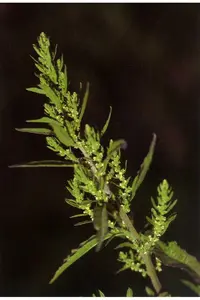
American goosefoot, also known as Dysphania ambrosioides or epazote, is a strong-scented annual or short-lived perennial herb. It forms upright, branching stems with narrow, toothed leaves and small, inconspicuous green flower clusters.
This plant is native to Central and South America but has naturalized widely in warmer regions, including parts of the United States. It often appears in disturbed soils, garden edges, and waste areas.
American goosefoot grows vigorously and can self-seed, which makes it persistent but sometimes weedy. It prefers full sun, well-drained soil, and moderate moisture, and basic knowledge of how to care for American Goosefoot helps keep it controlled and healthy.

Care Difficulty
Easy Care

Light Preference
Full Sun

Water Requirements
Moderate Water

Temperature Preference
Warm Climate

Hardiness Zone
8–11

Soil Texture
Sandy, Loamy, Organic-rich

Soil pH
Acidic (5.5–6.5), Slightly acidic (6.5–7.0)

Soil Drainage
Well-drained

Fertilization
Minimal (feed rarely)
Scan your plant to receive care tips personalized for your specific plant
Available on iOS and Android
This sun-loving annual herb performs best in open, bright locations outdoors.
This species prefers evenly moist but never waterlogged soil in the root zone.
This warm-season herb grows best in mild to hot conditions without frost exposure.
This species tolerates typical household humidity but grows best in slightly dry air.
This plant prefers lean, well-draining mineral soils rather than rich, dense mixes.
This species is suitable for container growing, especially for controlled culinary or medicinal use.
Dysphania ambrosioides grows best in lean, well-drained soil and only needs light feeding in containers or poor ground.
Pruning Dysphania ambrosioides helps manage vigor, improve air flow, and keep plants compact.
This species is usually grown as a short-lived garden herb, so transplanting young plants is more common than long-term repotting.
Dysphania ambrosioides is most often propagated from seed, which germinates reliably under warm conditions.
This warmth-loving herb is frost sensitive and often grown as an annual in cooler climates, so winter care focuses on protection or reseeding.

Plant Health Check
Not sure what's wrong with your plant? Check your plant's health inside the app.
The leaves release a strong, resinous scent rich in terpenes such as ascaridole and limonene, which makes the plant easily recognizable in the field by smell alone.
Originally native to Central and South America, this species has naturalized widely across North America and other temperate to subtropical regions, often colonizing disturbed soils and agricultural margins.
The small, greenish flowers are inconspicuous and adapted to wind pollination rather than attracting insect pollinators, which is typical for many members of the Amaranthaceae family.

This species was traditionally used by Indigenous peoples in Mesoamerica as a culinary herb to flavor beans and other dishes, and it is still used today in Mexican cuisine under names such as epazote.
Leaves and young shoots are edible when used in small amounts as a herb or cooked green, but the plant contains compounds that may irritate the stomach. Avoid heavy, frequent consumption, especially for children, pregnant people, or those with kidney issues.
Keep your plants happy and healthy with plant identification, disease detection, and easy care guidance.