Early season pinching
Pinch out the soft tips of young shoots when plants are 20–30 cm tall to encourage a bushier framework and more flowering spikes later in the season.


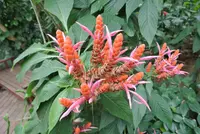
Candle bush, Senna alata, is a fast-growing tropical shrub known for its upright, candle-like spikes of yellow flowers and large, folded leaflets. It forms a dense, bushy shape that can reach small-tree size in warm climates.
This species is native to tropical regions of the Americas but is now widely cultivated in tropical and subtropical gardens. It is often grown as an ornamental for its long flowering season and bold foliage.
It is generally vigorous and not difficult to grow where temperatures stay warm, though it can be frost-sensitive and short-lived in cooler areas. Those who want to learn how to care for Candle Bush should note its preference for full sun, warmth, and moist, well-drained soil.

Care Difficulty
Moderate Care

Light Preference
Full Sun

Water Requirements
Regular Water

Temperature Preference
Tropical / Frost Sensitive

Hardiness Zone
9–11

Soil Texture
Sandy, Loamy, Organic-rich

Soil pH
Acidic (5.5–6.5), Slightly acidic (6.5–7.0)

Soil Drainage
Moist but well-drained

Fertilization
Light (every 4–6 weeks)
Scan your plant to receive care tips personalized for your specific plant
Available on iOS and Android
This tropical shrub needs strong light to flower well and build sturdy growth.
This species prefers steady soil moisture without staying saturated.
This warm-climate shrub grows best in consistently hot, frost-free conditions.
This species prefers moderate humidity but usually adapts to typical indoor air.
Senna alata prefers loose, well-aerated, strongly draining soil that does not stay wet for long.
This species can be grown in containers if the pot and setup account for its rapid, top-heavy growth habit.
This fast-growing shrub benefits from moderate feeding to support foliage and flower production.
Pruning helps maintain structure, manage size, and encourage abundant flowering in Senna alata.
This plant is usually grown in the ground, so care focuses on transplanting young specimens and large container starts.
Senna alata is most commonly propagated from seeds, which germinate well under warm conditions.
This tropical shrub is frost-sensitive and needs protection in regions with cold winters.

Plant Health Check
Not sure what's wrong with your plant? Check your plant's health inside the app.
This species flowers most reliably in frost-free regions with little seasonal change in daylength, which matches its native equatorial range. In subtropical areas it often behaves as a short-lived perennial or annual because cool temperatures and shorter days limit flowering and seed set.
The roots form a symbiosis with rhizobia bacteria that can convert atmospheric nitrogen into forms the plant can use. This nitrogen-fixing ability helps the plant colonize poor soils and can modestly improve soil fertility for subsequent vegetation.
Larvae of several sulphur butterflies (family Pieridae) feed specifically on its leaves, using the plant as a host. In some tropical landscapes, dense stands of this shrub support local butterfly populations by providing both food and shelter.

The upright yellow inflorescences resemble wax candles closely enough that in some regions it is intentionally planted as an ornamental in public gardens and roadsides, where its conspicuous flower spikes can bloom over many months in continuously warm climates.
Lack of flowering often results from insufficient warmth, short daylength, or nutrient imbalance. This species needs a long warm season, full outdoor exposure, and moderate feeding. Excessive nitrogen favors foliage instead of flower spikes.
Keep your plants happy and healthy with plant identification, disease detection, and easy care guidance.