Early framework training
In the first 2–3 years, select 3–5 well-spaced scaffold branches and remove competing shoots in late winter to build a strong, open vase shape that supports heavier flowering and fruiting later.

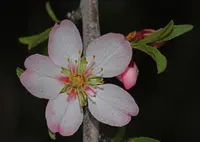
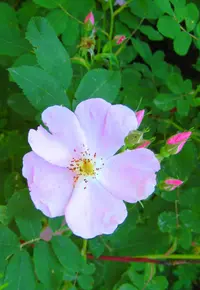
Wild almond, Prunus webbii, is a deciduous shrub or small tree related to the cultivated almond. It typically forms an airy, multi-stemmed shape with slender branches and abundant spring blossoms. Flowers are usually pale pink to white and appear before or with the young leaves, giving the plant strong ornamental value in mild climates.
This species is native to dry, rocky areas in the Mediterranean region and southwest Asia, where it withstands heat, wind, and poor, well-drained soils. It is generally hardy and drought-tolerant once established, but young plants benefit from some moisture and full sun. These traits make it relatively easy to care for Wild Almond in suitable outdoor conditions.

Care Difficulty
Moderate Care

Light Preference
Full Sun

Water Requirements
Moderate Water

Temperature Preference
Cool Climate

Hardiness Zone
6–9

Soil Texture
Sandy, Loamy, Rocky

Soil pH
Slightly acidic (6.5–7.0), Neutral (7.0)

Soil Drainage
Well-drained

Fertilization
Minimal (feed rarely)
Scan your plant to receive care tips personalized for your specific plant
Available on iOS and Android
Prunus webbii prefers full sun conditions in most temperate climates.
This drought-tolerant shrub prefers deep, infrequent watering once established.
This species thrives in warm, dry climates with cool winters and is relatively cold hardy.
This drought-adapted shrub does not have strict humidity needs and tolerates typical outdoor air in most regions.
This species prefers light, well-drained mineral soils and reacts poorly to waterlogged conditions.
This shrub can be grown in containers for several years if the pot is chosen to support its woody root system and top growth.
Prunus webbii is adapted to low-nutrient soils and usually needs only light feeding in cultivation.
Prunus webbii responds well to light structural pruning that maintains a healthy, open framework.
Wild Almond is usually grown in the ground and responds best to careful transplanting when young.
Prunus webbii is commonly propagated from seed and semi-hardwood cuttings under controlled conditions.
Prunus webbii is quite cold hardy in many temperate regions and usually needs minimal winter care once established.

Plant Health Check
Not sure what's wrong with your plant? Check your plant's health inside the app.
This species is considered one of the wild progenitors of the cultivated almond, sharing similar nut characteristics but retaining a much more bitter kernel due to higher amygdalin content.
Native to arid and semi-arid regions around the eastern Mediterranean, this shrub/tree is adapted to poor, stony soils and summer drought, making it a useful genetic resource for breeding more drought-tolerant almonds.
It flowers very early in spring, often before leaf emergence, producing abundant white to pale pink blossoms that provide one of the first nectar and pollen sources for local pollinators in its native range.

Prunus webbii hybridizes readily with cultivated almond and related Prunus species, and its genes have been used in breeding programs to introduce traits such as disease resistance and improved tolerance to stressful growing conditions.
This species flowers best with strong light, adequate winter chill, and mature wood. Young plants or those pruned heavily in late winter may not bloom. Drought stress, excess nitrogen, or shade also reduce flower production.
Keep your plants happy and healthy with plant identification, disease detection, and easy care guidance.