Early framework training
In the first 2–3 years, select 3–5 strong scaffold branches and lightly prune away steep, crossing, or congested shoots so the tree develops an open, vase-like canopy that can carry heavy fruit without splitting.

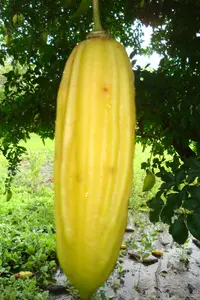
Cuachilote, Parmentiera aculeata, is a small to medium tropical tree best known for its long, hanging, cucumber-like fruits. It usually has a spreading crown with thick, sometimes contorted branches and small, clustered leaves.
This species is native to Central America and parts of Mexico, where it grows in warm, frost-free areas and is sometimes used as a fruit or fodder tree. It tends to be fairly resilient once established but is sensitive to cold and prolonged waterlogging, which can limit where it can be grown.
In cultivation it prefers bright light, moderate moisture, and well-drained soil. Understanding these basic needs makes it easier to care for cuachilote, especially in warm outdoor gardens or protected subtropical settings.

Care Difficulty
Moderate Care

Light Preference
Full Sun

Water Requirements
Moderate Water

Temperature Preference
Tropical / Frost Sensitive

Hardiness Zone
10–12

Soil Texture
Sandy, Loamy, Organic-rich

Soil pH
Acidic (5.5–6.5), Slightly acidic (6.5–7.0)

Soil Drainage
Well-drained

Fertilization
Minimal (feed rarely)
Scan your plant to receive care tips personalized for your specific plant
Available on iOS and Android
Parmentiera aculeata grows best in strong, consistent light typical of warm subtropical to tropical climates.
This species prefers deep, infrequent watering once established, with soil drying slightly between soakings.
This tree favors warm, frost-free conditions and maintains best growth in stable, moderate to high temperatures.
This species tolerates a wide humidity range and usually does well in 40–60% air humidity.
Parmentiera aculeata prefers loose, well-aerated ground that drains quickly yet still holds some moisture.
This species can be grown in large containers when space or climate limits in-ground planting.
This subtropical tree benefits from modest feeding to support steady growth and fruiting when grown as cuachilote in cultivation.
Pruning Parmentiera aculeata is mainly used to manage size, structure, and access to fruit.
This tree is usually grown in the ground, with transplanting most important in its early years.
Parmentiera aculeata is usually propagated from seeds, with cuttings used less often for clonal plants.
This frost-sensitive species needs protection in climates with cold winters, especially when young or container-grown.

Plant Health Check
Not sure what's wrong with your plant? Check your plant's health inside the app.
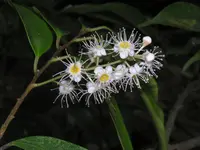
This species opens its tubular white flowers at night and produces a strong sweet scent that attracts nectar-feeding bats, which are its main pollinators in native habitats from Mexico to Central America.
It develops long, narrow, sausage-like fruits that often hang directly from the trunk and main branches, a growth pattern called cauliflory that makes the fruit more accessible to ground-dwelling and climbing animals.
The green fruits are commonly cooked as a vegetable in stews and soups, while fully ripe fruits are eaten fresh or used in sweets in parts of Mexico and Central America, where growing cuachilote has long local culinary importance.

In some regions of Mexico, the tree is traditionally planted near homes and along paths not only as a food source but also as a living fence and shade tree, since its dense branching, spines, and cauliflorous fruiting help mark boundaries and provide shelter for people and wildlife.
This tree tolerates containers when young if the pot is large, deep, and drains well. Root systems become extensive with age, so long-term container culture is difficult. Expect to up-pot regularly or eventually transplant into the ground for stability.
Keep your plants happy and healthy with plant identification, disease detection, and easy care guidance.