Curled Dock Care (Rumex crispus)

Also known as: Narrow Leaved Dock, curly dock, Curled Sorrel, Curly Rumex, Curly Sorrel, Narrow Dock, Sour Dock, Yellow Dock, Yellow Rumex, Curly-leaf dock
Curled Dock

About Curled Dock

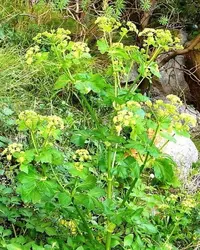
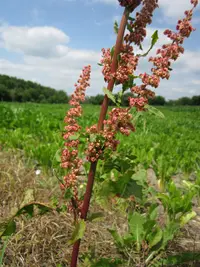
Curled dock (Rumex crispus) is a hardy perennial herb best known as a common field and roadside plant rather than a traditional garden ornamental. It forms a rosette of narrow, wavy-edged leaves and sends up tall, slender flower stalks with dense clusters of reddish-brown seeds.

This species is native to Europe and western Asia but has naturalized widely in North America, thriving in disturbed soils, pastures, and moist waste ground. It is resilient, tolerant of poor soils, and quick to self-seed, which makes it easy to maintain but sometimes weedy.

Those who want to care for Curled Dock should know it prefers full sun to light shade, consistent but not waterlogged moisture, and moderately fertile, well-drained soil.

Main Plant Requirements

Care Difficulty

Easy Care

Light Preference

Full Sun

Water Requirements

Regular Water

Temperature Preference

Cold Hardy

Hardiness Zone

3–9

Soil Texture

Sandy, Loamy, Clay

Soil pH

Slightly acidic (6.5–7.0), Neutral (7.0)

Soil Drainage

Moist but well-drained

Fertilization

Minimal (feed rarely)

Get Personalized Care Plan

Scan your plant to receive care tips personalized for your specific plant

Available on iOS and Android

How to Care for the Curled Dock

This hardy perennial prefers full sun but adapts to light shade in many climates.

  • Provide 6–8 hours of direct sun daily; morning sun with light afternoon shade is ideal in hot regions to reduce leaf scorch.
  • Allow partial shade (3–4 hours direct sun) in warmer zones; foliage may grow larger but slightly less dense in lower light.
  • Monitor leaves for pale, elongated growth in too much shade and crisp brown edges in intense, all-day sun, especially in summer.

This species favors consistently moist soil without staying waterlogged.

  • In the ground, aim for soil that stays evenly damp; allow only the top 2–3 cm to dry slightly between natural rains or irrigations.
  • Use deep, infrequent watering, letting water soak 15–20 cm into the soil; prioritize soils with good drainage to avoid standing water.
  • Yellowing, soft leaves and foul-smelling soil suggest overwatering, while limp, curling leaves and dry, cracked soil indicate Rumex crispus is too dry.

This cool-season perennial tolerates a wide range of outdoor temperatures once established.

  • Optimal active growth occurs around 55–75°F (13–24°C), with strongest flushes in cool spring and fall conditions.
  • Mature plants survive down to about 5–10°F (-15 to -12°C) in the ground; crowns usually resprout after winter dormancy.
  • Heat above 85–90°F (29–32°C) slows growth; expect some leaf decline in midsummer and maintain soil moisture to reduce heat stress.

This species tolerates a broad humidity range and rarely needs special humidity management indoors or outdoors.

Rumex crispus grows best in moderately moist, well‑structured mineral soils that do not stay waterlogged.

  • Use a loamy or sandy-loam mix with 20–30% compost to provide nutrients and a stable structure.
  • Ensure rapid drainage by blending in coarse sand or fine gravel, especially in compact native soils.
  • Aim for a slightly acidic to neutral pH of 6.0–7.0, avoiding strongly acidic or saline sites.
  • Improve aeration by loosening the top 10–15 cm regularly, preventing surface crusting and shallow root development.

This species can be grown in containers outdoors if the pot is deep and drainage is carefully managed.

  • Choose a container at least 30 cm deep so the long taproot can extend without curling tightly.
  • Select a heavy or wide-based pot to prevent tipping as the tall flower stalks develop and catch wind.
  • Use a coarse, fast-draining mix and keep saucers empty so roots do not sit in stagnant water for long periods.

This wild perennial thrives in poor soils and usually needs no extra feeding in the ground.

Pruning Rumex crispus is mainly done to control spread and remove old growth rather than shape the plant.

  • Cut flower stalks at the base before seeds mature in late spring or early summer to limit self-seeding.
  • Remove dead, diseased, or storm-damaged leaves and stems with clean hand pruners to reduce pest and disease pressure.
  • For tidier growth, trim back crowded or sprawling stems to ground level, encouraging fresh foliage from the crown.

This species is usually grown in open ground, so care focuses on thoughtful transplanting rather than frequent repotting.

  • Transplant young plants in early spring or early fall, before strong heat or hard frosts, to allow root establishment.
  • Choose a sunny site with well-drained soil and avoid moving older plants, which resents root disturbance due to its deep taproot.
  • Lift with a broad soil clump, disturbing roots as little as possible, then water deeply to settle soil and reduce transplant shock.
  • Container-grown plants showing roots circling the pot or stalled growth can be shifted to a slightly larger container using similar soil.

Propagation of Rumex crispus is common from seed and sometimes by careful division of young plants.

  • Collect mature seeds in late summer, dry them, then sow in trays or directly outdoors in early spring or fall.
  • Provide light, consistent moisture and full sun to light shade for germination, keeping the soil slightly moist but not waterlogged.
  • For division, lift young plants in early spring, split peripheral offsets with some root attached, and replant immediately.
  • Space new plants well and manage seedlings, as this species can spread strongly under favorable conditions.

This hardy perennial usually needs no special winter care in most temperate climates.

  • Mature plants tolerate typical winter frost, with top growth dying back while the root survives.
  • In colder regions or exposed sites, apply a light 2–5 cm mulch over the root zone after the first hard frost.
  • Container-grown plants benefit from moving pots to a sheltered, unheated area to reduce root freeze–thaw stress.

Care Tips

Controlled self-seeding

If you want a small, manageable patch, cut seed stalks just as they turn from green to light brown and dry them in a paper bag to save seed while preventing uncontrolled spread in the garden.

Deep-root access

Use a narrow, deep trowel or soil auger to break compacted subsoil to 20–30 cm before planting so the taproot can penetrate easily, which produces a sturdier plant and reduces drought stress.

Managed biomass harvest

Harvest only the upper third of the foliage at a time and leave at least 4–5 healthy leaves per plant so it can keep regenerating through the season without depleting root reserves.

Soil monitoring for metals

Avoid planting in areas near old painted structures, heavily trafficked roads, or former industrial sites, because this species can accumulate heavy metals, and test soil if the leaves are intended for consumption.

Targeted weed control

To control unwanted plants without killing the entire stand, cut competing weeds at ground level and mulch around the base with a thin 2–3 cm layer of clean straw or wood chips, which supports growing Curled Dock while limiting rivals.

Common Pests and Diseases

Dock aphids

These insects cluster on stems, leaf undersides, and flower stalks, sucking sap and causing curling, yellowing, and sticky honeydew deposits that can attract sooty mold.

Solution

Spray plants with a firm stream of water to dislodge colonies, then treat remaining infestations with insecticidal soap or a ready-to-use neem oil spray, repeating every 5–7 days until populations drop; cutting and removing heavily infested seed stalks also reduces reinfestation.

Dock sawfly larvae

This pest feeds by skeletonizing leaves, leaving only veins and thin tissue, which can significantly weaken stands of curly dock in damp or riverside sites.

Solution

Hand-pick and crush larvae where practical, cut and remove heavily damaged leaves to a sealed bag, and encourage birds and predatory insects by avoiding broad-spectrum insecticides that would remove natural enemies.

Leaf spots

This disease causes small brown to dark-purple spots that may merge into larger dead patches, especially in dense or humid stands of plants.

Solution

Remove and dispose of affected leaves to reduce spore spread, avoid overhead watering where plants are cultivated, and thin or space plants to improve airflow; in agricultural or forage settings, rotating cutting or grazing to reduce dense regrowth also lowers disease pressure.

Rust

This disease produces orange to brown pustules on leaf surfaces that can coalesce, leading to premature yellowing and early leaf drop in moist conditions.

Solution

Collect and destroy heavily infected leaves, avoid irrigating foliage late in the day, and reduce long-lasting leaf wetness by improving spacing and airflow; in large infestations, mowing or cutting back heavily rusted foliage can remove a major source of spores before regrowth.

Dock beetles

These insects chew irregular holes in leaves, and larvae may strip foliage between the veins, sometimes leaving plants with a ragged or lace-like appearance.

Solution

Hand-pick adult beetles and larvae into soapy water where practical, encourage ground beetles and other predators by maintaining some undisturbed habitat nearby, and, in severe cases, cut back heavily damaged foliage to reduce food and breeding sites while new leaves emerge.

Interesting Facts

Deep soil taproot

This species forms a very long, narrow taproot that can reach well over 1 m deep, allowing the plant to access moisture and nutrients from soil layers that many shallow‑rooted plants cannot reach.

Seed bank longevity

Its small, brown seeds are very long‑lived in the soil seed bank and can remain viable for many years, which helps explain why new plants often appear after soil disturbance or cultivation.

Indicator of soil nutrients

In many agricultural and pasture settings, high abundance of this species is associated with compacted or nutrient‑imbalanced soils, so its presence is sometimes used as a rough field indicator of soil conditions when planning management or how to take care of Curled Dock in managed landscapes.

Botan icon

Did you know?

Rumex crispus is a strict food specialist for the caterpillars of several Lepidoptera (moths and butterflies), which have evolved to tolerate and use the plant’s oxalate- and tannin-rich leaves as a primary larval food source in many temperate regions.

FAQs about Curled Dock

Young leaves and stems are edible when cooked, but they contain oxalic acid, which can irritate sensitive individuals and those with kidney issues. Always harvest from clean, uncontaminated sites and avoid overconsumption. Roots are used only in controlled herbal preparations.

Grow Healthy Plants with Botan Care

Keep your plants happy and healthy with plant identification, disease detection, and easy care guidance.

Botan plant care app — identify plants on mobile

Explore More Plants