Coneflower Care (Echinacea purpurea PowWow White)

Coneflower

About Coneflower

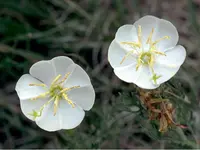
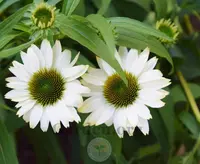
Coneflower Echinacea purpurea PowWow White is a compact, clump-forming perennial grown mainly for its large, clean white daisy-like flowers and strong stems. It keeps a tidy, upright habit, making it suitable for mixed borders, pollinator gardens, and smaller spaces.

This selection originates from the North American prairies, where echinaceas naturally grow in open, sunny grasslands. Its prairie background gives it good drought tolerance once established and overall toughness in typical garden conditions.

The plant prefers full sun, moderate moisture, and well-drained soil, but it is adaptable to many garden soils. These traits make it relatively easy to care for Coneflower, even for less experienced gardeners.

Main Plant Requirements

Care Difficulty

Easy Care

Light Preference

Full Sun

Water Requirements

Low Water

Temperature Preference

Cold Hardy

Hardiness Zone

4–9

Soil Texture

Sandy, Loamy, Clay

Soil pH

Acidic (5.5–6.5), Slightly acidic (6.5–7.0)

Soil Drainage

Well-drained

Fertilization

Minimal (feed rarely)

Get Personalized Care Plan

Scan your plant to receive care tips personalized for your specific plant

Available on iOS and Android

How to Care for the Coneflower

This compact Coneflower performs best in open garden sites with strong light.

  • Provide 6–8 hours of direct sun daily; full sun promotes dense growth and abundant blooms.
  • Tolerates light afternoon shade, especially in hotter climates, but flowering may decrease in spots with less than 4–5 hours of sun.
  • In summer, avoid reflected heat from walls or pavement that can scorch foliage, and in early spring ensure plants are not shaded out by overgrowing shrubs.

This cultivar prefers infrequent, deep watering once established in well-drained soil.

  • Allow the top 5–7 cm of soil to dry before watering, then water deeply so moisture reaches the full root zone.
  • Reduce watering frequency in cool seasons; persistent soggy soil or a sour smell indicates overwatering and root stress.
  • Watch for wilting during hot afternoons that does not recover by evening as a sign Echinacea purpurea PowWow White needs a thorough soak.

This hardy perennial tolerates a wide temperature range in outdoor beds.

  • Optimal growth occurs around 65–80°F (18–27°C), with vigorous foliage and flowering in warm, stable conditions.
  • Established plants tolerate winter cold down to about -30°F (-34°C) in the ground, provided soil drains well and crowns are not waterlogged.
  • In summer, plants handle heat up to about 90–95°F (32–35°C) if soil is not overly dry; extreme, prolonged heat can shorten bloom life.

This plant is adapted to outdoor conditions and does not have special humidity requirements.

Echinacea purpurea PowWow White prefers free-draining, moderately fertile soil that does not stay wet.

  • Use a loamy or sandy mix with some organic matter, such as compost, to support root growth and flowering.
  • Ensure sharp drainage by avoiding heavy clay; amend dense ground with coarse sand or fine gravel plus compost.
  • Aim for slightly acidic to neutral pH, around 6.0–7.0, which supports nutrient availability without excess lime.
  • Avoid consistently wet, compacted, or peat-heavy mixes that hold water for long periods and reduce oxygen around roots.

This species is suitable for container growing when the pot supports its deep, somewhat taprooted system.

  • Choose a deep, heavy container that anchors the plant and prevents tipping when stems are in full bloom and wind-exposed.
  • Fill the pot with a gritty, low-peat mix and raise it on pot feet or bricks so drainage holes never sit in collected water.
  • Group containers in a sunny, open spot to improve air movement around foliage, reducing the risk of mildew on crowded stems.

This compact perennial Coneflower needs only light, targeted feeding in most garden soils.

  • Use a balanced slow-release fertilizer (around 10-10-10) or a thin layer of compost in early spring as new growth emerges.
  • Apply once per growing season in average soil; skip feeding on very rich or heavily amended beds.
  • Dilute liquid fertilizers to 1/2 strength if used, focusing on the root zone and avoiding foliage contact.
  • Stop fertilizing in late summer so growth hardens off before winter, and do not feed during dormancy.

Echinacea purpurea PowWow White responds well to simple, seasonal pruning to maintain bloom and structure.

  • Deadhead spent blooms during summer by cutting stems just above a healthy leaf pair to encourage repeat flowering.
  • Leave some seed heads in late season if winter interest and wildlife value are desired, then cut back in late winter or very early spring.
  • Remove dead, damaged, or weak stems at the base using clean, sharp pruners to improve airflow and reduce disease risk.
  • Shear the whole clump to 5–8 in in late winter to clear old growth and allow fresh shoots to emerge cleanly.

This cultivar is most often grown in garden beds, with transplanting more common than frequent repotting.

  • Transplant in early spring or early fall when temperatures are mild to reduce stress on roots and foliage.
  • Move plants when clumps become crowded, flowering declines, or stems lean outward despite adequate light.
  • Water well a day before lifting, then dig a wide root ball, keeping as many fibrous roots intact as possible.
  • Replant at the same soil level in a well-drained spot, firm soil gently, and water deeply for the first 1–2 weeks.

Echinacea purpurea PowWow White is commonly propagated by division or seeds under suitable conditions.

  • Divide mature clumps in early spring or early fall, ensuring each division has several buds and a good root section.
  • Replant divisions promptly into well-drained soil, watering thoroughly and shading lightly during the first few days if weather is hot.
  • Sow seeds in late fall outdoors or after 4–6 weeks of cold, moist stratification at 35–40°F for best germination.
  • Provide bright light, temperatures around 65–70°F, and slightly moist, not wet, substrate until seedlings establish strong roots.

This hardy perennial generally tolerates typical winters in USDA zones 3–8 with minimal intervention.

  • Leave some stems and seed heads standing over winter for crown insulation and wildlife benefit, cutting back in late winter.
  • Apply a 5–8 cm layer of mulch after ground freezes in colder climates, keeping mulch slightly away from the crown.
  • For container-grown plants in cold regions, move pots to a sheltered, unheated space or heel containers into the ground for extra root insulation.

Care Tips

Staggered Deadheading

Remove only the spent outer flowers at first and leave some central blooms to set seed so you extend flowering while still supporting birds and pollinators.

Seed Head Management

After peak bloom, selectively keep a portion of sturdy seed heads for winter bird food and cut back weak, diseased, or floppy stems to reduce self-seeding and fungal issues.

Clump Renewal Division

Every 3–4 years, lift and divide congested clumps in early spring, replanting only the healthiest, firm crowns to maintain strong flowering and reduce root competition.

Targeted Pest Monitoring

Inspect flower cones and new growth weekly for aphids and leaf-chewing beetles, and remove early by hand or with a strong water spray before damage spreads across the clump.

Snow And Mulch Strategy

In cold climates, allow snow to cover dormant crowns as natural insulation but keep mulch pulled slightly back from the crown itself to avoid moisture-related rot when thawing.

Common Pests and Diseases

Japanese beetles

These insects skeletonize leaves and chew petals, often leaving only leaf veins and ragged flower edges. This pest is especially attracted to large, white composite flowers like PowWow White coneflowers.

Solution

Hand-pick beetles in early morning into soapy water, use fine mesh or floating row covers during peak feeding, and avoid placing beetle-attracting plants or traps directly beside beds when growing Coneflower. Encourage natural predators such as birds and parasitic wasps by maintaining diverse plantings nearby.

Aster yellows

This disease causes distorted, stunted flower heads that turn green, with witches’-broom growth and narrow, twisted leaves. Symptoms include off-color foliage and deformed, non-seeding cones that are common on Echinacea in areas with leafhopper activity.

Solution

Immediately remove and destroy infected plants, including roots, since the disease is systemic and does not clear. Reduce populations of leafhoppers, the insect vectors, by controlling weedy hosts around the planting, spacing plants for airflow, and avoiding overhead irrigation that encourages soft, lush growth attractive to vectors.

Powdery mildew

This disease produces white, powdery fungal growth on upper leaf surfaces, especially in crowded plantings with poor air circulation. Symptoms include yellowing, premature leaf drop, and reduced vigor, particularly in humid climates.

Solution

Improve airflow by thinning and proper spacing, water at soil level rather than on foliage, and remove heavily infected leaves. If outbreaks continue, apply a horticultural oil or sulfur-based fungicide labeled for powdery mildew on ornamentals, following label directions carefully.

Leaf spot (Cercospora / Septoria)

This disease appears as small brown to purplish spots that may merge into larger blotches, leading to yellowing and early leaf drop from the lower part of the plant upward. Symptoms include thinning foliage and reduced flowering when infections are severe.

Solution

Remove and discard affected leaves and spent plant debris to reduce fungal spores, and water at the base of plants to keep foliage dry. If needed, use a registered ornamental fungicide as a protective spray during warm, wet periods, and rotate products to limit resistance.

Aphids

These insects cluster on stems, buds, and the undersides of leaves, sucking sap and excreting sticky honeydew that can lead to sooty mold. This pest can cause distorted new growth and weakened flowering, especially on young or stressed plants.

Solution

Dislodge aphids with a strong stream of water, then follow with applications of insecticidal soap or horticultural oil, ensuring thorough coverage of shoot tips and leaf undersides. Encourage natural predators such as lady beetles and lacewings by limiting broad-spectrum insecticides and maintaining habitat diversity around the planting area.

Interesting Facts

Compact, uniform habit

This cultivar was selected for its naturally compact, mound-forming habit, typically staying shorter and more uniform than many purple coneflower types without the need for growth regulators or heavy pruning.

Stable white coloration

Unlike some seed strains that produce variable flower colors, this seed-grown selection is known for reliably producing pure white ray florets with a golden-green cone from generation to generation.

Extended flowering season

Under suitable conditions, plants from this series are known to flower heavily from early summer into late summer, often continuing after many older echinacea cultivars have declined in bloom intensity.

Botan icon

Did you know?

This cultivar gained rapid popularity after winning an All-America Selections award, one of the more influential North American trial programs that independently evaluates new ornamentals for garden performance across multiple climate zones.

FAQs about Coneflower

Lack of blooms usually comes from too little sun, excess nitrogen fertilizer, or overcrowding. Mature clumps need division every few years. Avoid heavy shade, do not overfertilize, and deadhead spent flowers to encourage continued flowering when growing Coneflower.

Grow Healthy Plants with Botan Care

Keep your plants happy and healthy with plant identification, disease detection, and easy care guidance.

Botan plant care app — identify plants on mobile

Explore More Plants