Psidium salutare Care

Psidium salutare

About Psidium salutare

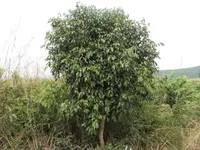
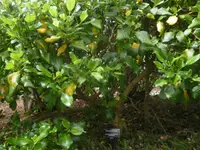
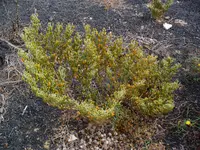
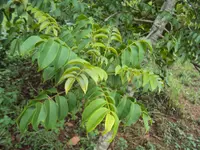
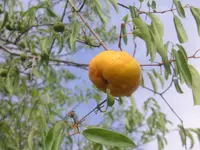
Psidium salutare is a small shrub or compact tree in the myrtle family, related to the common guava. It typically carries small, firm leaves and produces modest, often aromatic fruits. Growth is usually bushy rather than tall, which makes it suitable for smaller gardens and collections.

This species is native to dry and seasonally dry regions of South America, where it adapts to lean, well-drained soils and periods of limited rainfall. Its tolerance to drought and poorer soils can make it easier to manage once established, though young plants appreciate regular moisture. Understanding how to care for Psidium salutare starts with providing bright light, moderate watering, and soil that does not stay waterlogged.

Main Plant Requirements

Care Difficulty

Moderate Care

Light Preference

Full Sun

Water Requirements

Moderate Water

Temperature Preference

Tropical / Frost Sensitive

Hardiness Zone

10–12

Soil Texture

Sandy, Loamy, Organic-rich

Soil pH

Acidic (5.5–6.5), Slightly acidic (6.5–7.0)

Soil Drainage

Well-drained

Fertilization

Minimal (feed rarely)

Get Personalized Care Plan

Scan your plant to receive care tips personalized for your specific plant

Available on iOS and Android

How to Care for the Psidium salutare

This species prefers strong light in warm climates but benefits from some protection during the hottest hours.

  • Provide 6–8 hours of sun daily, ideally with direct morning sun and light afternoon shade, especially in hot, dry regions.
  • Psidium salutare tolerates partial shade, but in less than 4–5 hours of direct or bright filtered sun, growth and flowering may slow.
  • In summer, monitor leaves for scorch or yellowing along edges from harsh afternoon sun; in winter, avoid deep shade by choosing the brightest outdoor position.

This plant prefers evenly moist, well-drained soil that never stays waterlogged for long periods.

  • Water when the top 3–5 cm of soil feels dry, applying a deep soak that moistens the root zone, then allow excess to drain away.
  • In warm growing seasons, check moisture more often; in cooler months, reduce frequency so soil dries slightly deeper while preventing complete drought stress.
  • Leaf yellowing, soft stems, or a sour soil smell suggest overwatering, while dull, curling leaves and dry, hard soil indicate underwatering in Psidium salutare.

This shrub favors warm, frost-free conditions and slows growth when exposed to cool or highly variable temperatures.

  • Aim for 70–86°F (21–30°C) during active growth, which supports steady foliage and stem development without stress.
  • The plant is sensitive to frost; growth is damaged below about 32°F (0°C), so protect from cold snaps and avoid planting in frost pockets.
  • It tolerates short heat spikes up to about 95°F (35°C) if soil moisture is adequate, but prolonged extreme heat with dry soil can cause leaf scorch and drop.

This species prefers moderately humid air but usually adapts to typical household conditions if roots are well watered.

  • Aim for 40–60% humidity; short dry spells are tolerated but prolonged very dry air can slow growth.
  • Low humidity stress shows as curled, dull, or browning leaf edges, especially on newer foliage.
  • Increase moisture around the plant with a nearby humidifier or grouped plants rather than misting leaves directly.

Psidium salutare grows best in loose, well‑aerated substrates that drain quickly yet retain some moisture.

  • Use a sandy‑loam mix with 40–50% mineral material (coarse sand or fine grit) and 50–60% organic matter such as composted bark or well‑matured compost.
  • Target a slightly acidic to neutral pH of 6.0–7.0 to support nutrient availability and healthy root activity.
  • Improve drainage and aeration by adding 10–20% perlite to the mix, especially in heavier native soils or compacted beds.
  • Avoid waterlogged clay, poorly drained low spots, or mixes heavy in peat that stay saturated and encourage root rot.

This species is suitable for container growing where a stable, free‑draining setup can be maintained.

  • Choose a deep, wide container that matches the plant’s eventual bushy spread so structural roots do not circle tightly near the wall.
  • Use a heavier material like ceramic or thick plastic to stabilize the plant against wind and prevent tipping as top growth increases.
  • Raise the pot slightly on feet or blocks so drainage holes stay clear and excess water leaves the root zone quickly after irrigation.

This species grows in quite lean soils, so Psidium salutare needs only modest, carefully timed feeding in cultivation.

  • Use a balanced slow-release fertilizer (around 10-10-10) or well-rotted compost at the start of the warm growing season.
  • Apply granular feed lightly every 2–3 months during active growth, keeping product off the trunk.
  • Reduce or stop feeding in cooler months or winter, when growth slows markedly.
  • For liquid fertilizers, use at 1/2 strength on moist soil to avoid root burn.

Thoughtful pruning keeps Psidium salutare compact, well-lit inside the canopy, and productive.

  • Plan main structural pruning for late winter or very early spring, before strong new growth begins.
  • Remove dead, diseased, crossing, or inward-growing branches with clean, sharp bypass pruners or loppers.
  • Shorten excessively long shoots to maintain an open, rounded crown and improve light penetration.
  • Make cuts just above outward-facing buds and avoid heavy cuts on very old wood in a single year.

This species is usually grown in the ground, so transplanting young Psidium salutare plants correctly is more important than frequent repotting.

  • Transplant in late spring or early summer, once soil is warm and the risk of frost has passed.
  • Look for circling roots, root-bound containers, or stalled growth as signs a plant has outgrown its pot.
  • Move up only 1–2 pot sizes or into a well-drained planting hole, gently loosening outer roots without tearing.
  • Water thoroughly after planting, provide light shade for 3–5 days, and keep soil evenly moist to reduce transplant shock.

New Psidium salutare plants are most often raised from seed, with cuttings used where controlled conditions are available.

  • Collect ripe fruits, clean seeds, and sow them in spring in a free-draining, sterile mix kept at 70–80°F.
  • Lightly cover seeds, keep the medium just moist, and provide bright, indirect light for steady germination.
  • For semi-hardwood cuttings, take 10–15 cm pieces in late spring, remove lower leaves, and use rooting hormone.
  • Place cuttings in a humid propagator or under a clear cover with bottom warmth and good airflow to limit rot.

This warm-climate species has low frost tolerance, so winter care focuses on avoiding freeze damage to Psidium salutare.

  • In regions below about 30–32°F, grow in containers and move plants indoors or to a heated greenhouse for winter.
  • Outdoors in mild climates, apply a 5–8 cm mulch layer around the root zone, keeping it away from the trunk.
  • Use frost cloth or breathable covers on cold nights to shield young stems and foliage from freezing temperatures.

Care Tips

Encourage Bushy Form

Pinch or lightly tip-prune young shoots once they reach 15–20 cm to promote branching and a compact, more productive shrub rather than a tall, sparse plant.

Calcium And Fruit Set

In soils known to be low in calcium, apply a balanced granular fertilizer that includes calcium or a gypsum dressing in early spring to reduce blossom-end issues and support consistent fruit set.

Improve Root Aeration

In heavier soils, use a hand fork to carefully roughen and loosen only the upper 2–3 cm of soil around the drip line once or twice a year to improve gas exchange around surface roots without damaging them.

Salt And Wind Management

In coastal gardens, plant on the leeward side of a building or windbreak hedge to reduce salt-laden winds that can scorch foliage and slow growth.

Targeted Pest Monitoring

Inspect the undersides of leaves and young shoot tips every 1–2 weeks during warm months, focusing on new flushes of growth where scale insects, aphids, and mites typically establish first when caring for Psidium salutare.

Common Pests and Diseases

Guava rust

This disease causes yellow spots on young leaves that turn reddish-brown and may develop powdery pustules, leading to leaf distortion and drop. Symptoms include severe damage to new shoots and reduced vigor in young plants.

Solution

Remove and destroy infected leaves and young shoots, and avoid overhead watering to keep foliage as dry as possible. Improve spacing and airflow around plants, and in areas with a known history of guava rust, use a copper-based fungicide preventively on new flushes according to label directions as part of broader Psidium salutare care instructions.

Guava fruit fly

This pest lays eggs inside developing fruits, where larvae feed on the pulp, causing internal breakdown and premature fruit drop. Symptoms include small sting marks on the fruit surface and soft, rotten areas from larval feeding.

Solution

Collect and destroy all infested and fallen fruits promptly to break the life cycle and reduce future infestations. Use fruit fly traps and, where legal and appropriate, apply bait sprays around but not directly on the fruits, combining these tactics with good orchard sanitation.

Scale insects

These insects attach to stems and leaf undersides as small bumps, sucking sap and weakening the plant. Symptoms include sticky honeydew, sooty mold growth on leaves, and general decline in vigor.

Solution

Prune out heavily infested twigs and wipe accessible areas with a cloth dipped in mild soapy water or alcohol solution to dislodge scales. For larger plants, apply horticultural oil thoroughly to stems and leaf undersides during mild temperatures, repeating as needed to target newly hatched crawlers.

Anthracnose

This disease causes dark, sunken lesions on young leaves, shoots, and sometimes fruit, often with yellow halos. Symptoms include dieback of tender growth and spotting that can coalesce into larger dead areas.

Solution

Prune and discard affected shoots and leaves, disinfecting pruning tools between cuts, and avoid wetting foliage with irrigation. Improve airflow and light penetration by thinning dense growth, and in humid regions consider preventive sprays with copper or other registered fungicides at the start of warm, wet periods.

Leaf spot complex

This disease group causes scattered circular to irregular spots on leaves, often brown or gray with darker margins, leading to premature leaf drop in severe cases. Symptoms include thinning foliage and reduced plant vigor during prolonged humid conditions.

Solution

Rake and dispose of fallen leaves to reduce fungal spore build-up, and water at the base to keep the canopy drier. If spotting recurs frequently, apply a broad-spectrum fungicide labeled for Myrtaceae during peak humidity periods and maintain good spacing to promote air movement around plants.

Interesting Facts

Caatinga shrub specialist

This guava relative is naturally restricted to dry shrublands of the Brazilian Caatinga biome, where it grows as a small shrub adapted to seasonal drought and nutrient-poor soils.

High essential oil content

Leaves of this species contain notable amounts of aromatic essential oils, especially monoterpenes such as limonene and alpha-pinene, which contribute to its strong scent when crushed.

Edible but little-known fruit

The plant produces small edible fruits that are locally consumed in parts of northeastern Brazil, but it remains far less cultivated and studied than the common guava, Psidium guajava.

FAQs about Psidium salutare

Growth is moderate under warm, bright conditions. Young plants may add 20–40 cm per year once established. Poor soil fertility, cool temperatures, drought, or root restriction in small containers noticeably slows extension growth and branching.

Grow Healthy Plants with Botan Care

Keep your plants happy and healthy with plant identification, disease detection, and easy care guidance.

Botan plant care app — identify plants on mobile

Explore More Plants