amberella Care (Spondias pinnata)

amberella

About amberella

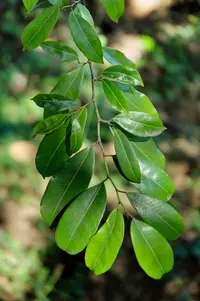
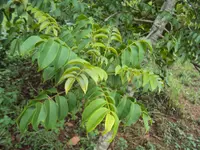
Amberella, Spondias pinnata, is a deciduous fruit tree in the cashew family, usually grown for its sour, aromatic fruits and shade-forming canopy. It develops a straight trunk, spreading branches, and pinnate leaves that give it a light, airy look.

This species is native to South and Southeast Asia, where it grows in warm, frost-free climates from lowlands to foothills. It is moderately fast-growing and can become a medium to large tree in suitable conditions.

Spondias pinnata is generally hardy if given warmth, sun, and reasonably moist, well-drained soil. Once established, it tolerates short dry periods, which makes it relatively forgiving for those learning how to care for amberella.

Main Plant Requirements

Care Difficulty

Moderate Care

Light Preference

Full Sun

Water Requirements

Moderate Water

Temperature Preference

Tropical / Frost Sensitive

Hardiness Zone

10–12

Soil Texture

Sandy, Loamy, Organic-rich

Soil pH

Acidic (5.5–6.5), Slightly acidic (6.5–7.0)

Soil Drainage

Well-drained

Fertilization

Minimal (feed rarely)

Get Personalized Care Plan

Scan your plant to receive care tips personalized for your specific plant

Available on iOS and Android

How to Care for the amberella

This deciduous fruit tree thrives in bright outdoor conditions with strong but not extreme sun.

  • Provide 6–8 hours of direct sunlight daily, favoring morning sun with some light afternoon shade in very hot climates.
  • Young amberella trees benefit from 30–50% filtered shade cloth for the first 1–2 years to prevent leaf scorch while roots establish.
  • In dense shade, growth becomes sparse and fruiting declines; in dry, intense afternoon sun, leaves may yellow or crisp at the edges, indicating light plus heat stress.

This species prefers consistently moist, well‑drained soil rather than prolonged drought or standing water.

  • Water when the top 3–5 cm of soil feels dry, giving a deep soak that moistens the root zone rather than light surface sprinkling.
  • In the first 2–3 growing seasons, drought-sensitive young Spondias pinnata trees may wilt or drop leaves if soil dries hard; increase frequency during hot, windy periods.
  • Reduce watering in the cool or dormant season, and avoid poorly drained sites where puddling, sour smell, or blackened feeder roots indicate overwatering.

This tropical tree grows best in warm, frost‑free climates with only short exposure to cooler temperatures.

  • Optimal growth occurs around 75–90°F (24–32°C), with steady warmth supporting strong shoot and root development.
  • The tree is damaged by frost; growth slows below about 55°F (13°C), and tissue injury or defoliation can occur near 32°F (0°C), especially in young plants.
  • Mature trees tolerate short spikes up to about 100–104°F (38–40°C) if soil moisture is maintained; mulch around the root zone to buffer temperature swings in hot, dry seasons.

Humidity influences leaf health mainly in young container-grown Spondias pinnata, while established outdoor trees are tolerant.

  • Aim for 40–60% humidity for seedlings or young amberella in pots, especially in heated or air-conditioned rooms.
  • Plants tolerate brief drier air but may show leaf-edge browning and curled new growth if humidity stays low.
  • Increase humidity locally with a nearby open tray of water and rocks or by grouping plants, rather than misting foliage frequently.

Spondias pinnata grows best in loose, well-drained mineral soil with moderate organic content.

  • Use a loamy or sandy-loam base amended with 20–30% compost to supply nutrients without becoming heavy.
  • Ensure fast drainage by adding coarse sand or fine gravel, especially if native soil is clay-rich or compacted.
  • Target a slightly acidic to neutral pH around 6.0–7.0, avoiding strongly alkaline sites that can limit nutrient uptake.
  • Improve aeration by breaking up clods and keeping large woody debris or un-decomposed organic chunks out of the root zone.

This species can be grown in containers for the first years, but vigor and eventual size limit long-term pot culture.

  • Choose a deep, wide container to support the strong taproot and lateral roots and prevent the plant from becoming root-bound too quickly.
  • Select a heavy, stable pot material such as thick plastic or clay to reduce tipping as the crown becomes taller and more wind-exposed.
  • Use a free-draining mix and slightly elevate the pot base on feet or bricks so drainage holes never sit in collected water.

Spondias pinnata responds well to modest, balanced feeding, especially when grown as a young or container tree for amberella indoor care.

  • Use a balanced NPK fertilizer (such as 10-10-10) or well-rotted compost at the start of the growing season.
  • Feed every 6–8 weeks during active growth, avoiding mid-day application on dry soil.
  • Apply at half the label rate for container plants to limit salt buildup and root burn.
  • Reduce or stop fertilizing in winter or cool dormant periods, resuming only when new growth appears.

Pruning Spondias pinnata is useful for managing size, structure, and fruiting wood.

  • Carry out main pruning in late winter or very early spring before vigorous new growth begins.
  • Remove dead, diseased, or storm-damaged branches first, then thin crowded interior shoots.
  • Shorten overly long or crossing branches to open the canopy and improve light penetration and air flow.
  • Use clean, sharp bypass pruners or a pruning saw, making smooth cuts just outside the branch collar.

This tree is usually grown in the ground, so care focuses more on transplanting young Spondias pinnata than on long-term container repotting.

  • Transplant when roots circle the pot, drainage becomes poor, or growth stays weak despite correct care.
  • Choose late spring or early summer, once soil is warm and frost risk has passed, for best establishment.
  • Move up only 1–2 pot sizes or into a well-drained ground site, keeping the root ball intact and at the same depth.
  • Water deeply after planting, then keep soil evenly moist and shaded for 1–2 weeks to limit transplant shock.

Spondias pinnata is commonly propagated from seeds and semi-hardwood cuttings in warm conditions.

  • Collect ripe fruits, clean the seeds, and sow them in a well-drained, sandy mix in late spring or early summer.
  • Maintain 75–85°F, bright shade, and consistently moist but not waterlogged substrate for germination.
  • For cuttings, take semi-hardwood pieces 10–15 cm long, remove lower leaves, and dip bases in rooting hormone.
  • Place cuttings in a humid environment with bright indirect light until new growth and resistance to gentle tugging show rooting.

In tropical and frost-free climates, Spondias pinnata needs minimal winter care, but protection is important where cold occurs.

  • In mild-winter regions, a 5–8 cm layer of organic mulch around the root zone helps stabilize soil temperature.
  • Young or marginally hardy trees benefit from wrapping the lower trunk with breathable frost cloth during cold snaps.
  • Container-grown plants in cooler areas should be moved indoors or into a greenhouse before temperatures approach 32°F.

Care Tips

Early framework training

In the first 2–3 years, select 3–5 well-spaced main branches and remove steep, crossing, or low branches to build a strong, open framework that supports future fruit load and good light penetration.

Rootzone mulching strategy

Maintain a 5–8 cm layer of coarse organic mulch in a wide ring around the drip line, keeping it 10–15 cm away from the trunk, to moderate soil temperature, conserve moisture, and reduce competition from weeds.

Fruit thinning practice

When branches set very heavy clusters of small fruits, remove some by hand so the remaining fruits size up better and branches are not stressed or broken by excess weight.

Wind and stake management

In exposed sites, stake young trees with 2 sturdy stakes placed outside the rootball and use flexible ties, then remove or loosen supports after 1–2 years once the trunk has thickened to encourage strong natural anchoring.

Seasonal sanitation routine

At the end of the dry season, collect and dispose of fallen leaves, mummified fruits, and prunings away from the planting area to reduce overwintering pests and diseases and support healthier growth when growing amberella.

Common Pests and Diseases

Fruit flies

These insects lay eggs in ripening or fallen fruit, leading to soft, discolored spots and maggot-infested pulp. Symptoms include premature fruit drop and rapid fruit breakdown on the ground.

Solution

Collect and destroy fallen and infested fruits frequently, and avoid leaving damaged fruit on the tree or soil surface. Use fine-mesh fruit bags or sleeves on developing clusters, and deploy baited traps (such as protein or yeast-based lures) hung in the canopy to reduce adult populations around trees.

Scale insects

These pests attach to young stems and leaves, sucking sap and producing sticky honeydew that can lead to sooty mold. Symptoms include yellowing leaves, reduced vigor, and rough, crusty bumps on twigs and undersides of leaves.

Solution

Prune and dispose of heavily infested twigs, then wash remaining foliage with a strong but gentle stream of water to dislodge soft scales. For persistent infestations, apply a horticultural oil spray that fully coats stems and the undersides of leaves, targeting crawler stages and repeating according to label directions.

Leaf spot

This disease causes small brown to dark lesions on leaf blades, sometimes with yellow halos and early leaf drop in humid or rainy weather. Symptoms include thinning foliage and reduced growth on young Spondias pinnata plants.

Solution

Remove and discard infected fallen leaves from around the tree to reduce fungal spore levels, and avoid overhead irrigation that keeps foliage wet for long periods. Improve spacing and airflow, and if the problem recurs in wet seasons, apply a copper-based or other labeled fungicide at the start of new flushes, following local regulations and instructions.

Anthracnose

This disease affects young leaves, shoots, and sometimes fruits, causing dark, sunken lesions, leaf distortion, and tip dieback. Symptoms include irregular leaf blight after extended warm, wet periods.

Solution

Prune and remove infected twigs and leaf clusters to reduce inoculum, and dispose of them away from the planting area. Enhance canopy airflow through light thinning and, in high-pressure situations, use a preventive fungicide program at the beginning of the rainy season, ensuring thorough coverage of young growth and following label guidance as part of broader Spondias pinnata care.

Stem borers

These larvae tunnel into stems or branches, leaving small entry holes, frass, and localized wilting or dieback above the damaged area. Symptoms include sudden yellowing or drying of individual branches despite adequate water and nutrients.

Solution

Inspect stems regularly for fresh frass and small holes, then prune and destroy affected branches before larvae move deeper into the trunk. Keep the tree healthy with proper watering and nutrition to reduce susceptibility, and where allowed, use pheromone or light traps to monitor adult beetles and time any targeted interventions.

Interesting Facts

Distinctive leaf dimorphism

The leaves show clear dimorphism, meaning seedlings bear simple leaves while older trees develop large, pinnate leaves with many leaflets, a change linked to shifting light and herbivore pressures as the plant matures.

Cauliflorous flowering habit

Flowers and fruits often develop on older branches and sometimes directly on the trunk, a trait called cauliflory that helps larger animals access and disperse the fruits.

Strong monsoon adaptation

In its native South and Southeast Asian range, this species is seasonally deciduous, dropping leaves before or during the dry season to reduce water loss, then flushing new foliage and flowering as monsoon rains return.

Botan icon

Did you know?

Genetic and field studies have shown that Spondias pinnata forms important mutualistic relationships with fruit-eating bats and large birds, which can move its seeds long distances across fragmented landscapes, helping maintain gene flow between wild tree populations.

FAQs about amberella

The ripe fruits are edible and commonly used in chutneys, pickles, and drinks, with a tart, sour flavor. Young leaves are sometimes eaten cooked. Unripe fruits are very acidic and may irritate sensitive stomachs if eaten in large amounts.

Grow Healthy Plants with Botan Care

Keep your plants happy and healthy with plant identification, disease detection, and easy care guidance.

Botan plant care app — identify plants on mobile

Explore More Plants