Prickly pear Care (Opuntia ficus-indica)

Also known as: Barbary fig, Tuna Cactus, Indian fig opuntia, Mission Prickly-pear, mission cactus, cactus pear, spineless cactus, Common Prickly Pear, Pest Prickly Pear, Sweet Prickly Pear, Prickly Pear, Barberry Fig, Cochineal Fig, English Prickly-Pear, Irish-Mittens, Sour Prickly-Pear, Prickly Pear Cactus, White Tungy
Prickly pear

About Prickly pear

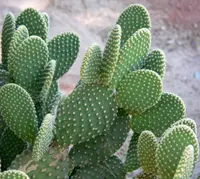
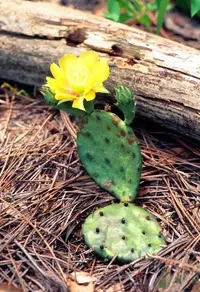
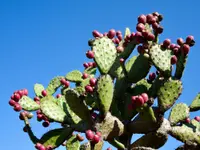
Prickly pear (Opuntia ficus-indica) is a sun-loving cactus known for its flat, jointed pads and colorful, oval fruits. It forms a shrubby, often tree-like clump with a strong, architectural outline.

This species is native to arid and semi-arid regions of Mexico but is now widely grown in warm, dry climates worldwide. The pads and fruits are edible when handled and prepared correctly, although the small spines need careful removal.

Thick, water-storing tissues and a shallow, efficient root system make it highly drought-tolerant and generally easy to grow. Many gardeners find that learning how to care for Prickly pear focuses mostly on providing strong light, very well-drained soil, and avoiding overwatering.

Main Plant Requirements

Care Difficulty

Easy Care

Light Preference

Full Sun

Water Requirements

Low Water

Temperature Preference

Warm Climate

Hardiness Zone

8–11

Soil Texture

Sandy, Loamy, Rocky

Soil pH

Slightly acidic (6.5–7.0), Slightly alkaline (7.0–7.5)

Soil Drainage

Well-drained

Fertilization

Minimal (feed rarely)

Get Personalized Care Plan

Scan your plant to receive care tips personalized for your specific plant

Available on iOS and Android

How to Care for the Prickly pear

This cactus needs strong light to build firm pads and flower well.

  • Provide 6–10 hours of direct sun daily; full sun is ideal once hardened off outdoors.
  • Introduce young or recently moved Prickly pear to full sun over 7–10 days to prevent pad scorch and yellowing.
  • In very hot regions, give light afternoon shade in midsummer; in winter, maximize south-facing exposure to compensate for shorter days and lower sun angle.

This drought-adapted cactus prefers deep, infrequent watering and fast-drying soil.

  • Water only when the top 5–8 cm of soil are completely dry, then soak thoroughly so water drains quickly away from the roots.
  • Use sharply draining, sandy or gritty soil; standing water or heavy clay greatly increases risk of root rot in Opuntia ficus-indica.
  • In spring–summer, expect more frequent watering; in fall–winter, water sparingly and watch for shriveling pads (too dry) or soft, mushy pads (too wet).

This species thrives in warm, dry climates and tolerates substantial summer heat.

  • Optimal growth occurs around 70–95°F (21–35°C), with strong light and low to moderate humidity.
  • Established plants can briefly tolerate down to about 20–25°F (-6 to -4°C), but repeated freezes increase scarring and pad loss.
  • Protect from hard frost and freezing, especially in wet soil; in heat waves above 105°F (41°C), soil drainage and air flow are more important than extra shade for healthy pads.

This cactus tolerates a wide humidity range and rarely needs special humidity care indoors.

  • Prefers 30–50% humidity, similar to most heated homes.
  • Handles very dry air without stress if watering and light are correct.
  • Only extreme, stagnant humidity above 70% may encourage rot spots or fungal patches; increase air flow rather than misting.

Provide very fast-draining, mineral-based soil to prevent root and stem rot.

  • Use a sandy or gritty mix: 50–70% mineral material (pumice, coarse sand, small gravel) with 30–50% cactus potting mix.
  • Aim for slightly acidic to neutral pH around 6.0–7.2 for Opuntia ficus-indica.
  • Improve aeration by using large, irregular particles (5–10 mm) and avoiding peat-heavy or compacted mixes.
  • Avoid dense clay, fine sand alone, or organic-rich garden soil that stays wet longer than 1–2 days.

This species is suitable for container growing when the pot is stable and drains quickly.

  • Choose a wide, heavy terracotta or concrete container to counter the plant’s top-heavy, pad-forming growth.
  • Select a pot only 2–5 cm wider than the root zone to reduce unused, water-retentive soil volume.
  • Raise the container on pot feet or bricks so drainage holes stay clear and excess water exits fast.

This cactus benefits from light feeding during active growth but tolerates lean soil well.

  • Use a diluted balanced liquid fertilizer (such as 10-10-10 or 5-5-5) at 1/4–1/2 strength for caring for Prickly pear in pots.
  • Feed every 4–6 weeks in spring and summer only, after watering, to avoid root burn.
  • Skip fertilizer in fall and winter when growth slows and the plant is semi-dormant.
  • In the ground, rely mostly on compost or well-rotted manure applied thinly in spring rather than frequent synthetic feeding.

Pruning Opuntia ficus-indica is mainly for size control, safety, and removing damaged pads.

  • Plan main pruning in late spring or early summer once frost risk has passed.
  • Remove dead, diseased, storm-damaged, or badly scarred pads first, cutting cleanly at the joint with sharp loppers or a pruning saw.
  • Thin crowded pads to improve light penetration and airflow, which supports healthier, more stable growth and flowering.
  • Wear thick gloves and use tongs or a folded newspaper to handle pads and avoid injury from spines and glochids.

Container plants and young Opuntia ficus-indica benefit from occasional repotting or careful transplanting.

  • Check for roots circling the container, emerging from drainage holes, or very slow growth as signals to move up 1 pot size.
  • Plan repotting or transplanting in late spring to early summer, during active growth and stable warm weather.
  • Disturb roots as little as possible, using dry, well-draining cactus mix and keeping the root ball intact when shifting containers or planting out.
  • Allow the plant to sit in dry soil for 5–7 days after repotting or transplanting, then resume light watering to reduce transplant shock and rot risk.

New Opuntia ficus-indica plants are most often produced from pad cuttings rather than seed.

  • Take healthy, mature pads in late spring or early summer, cutting cleanly at the joint and allowing the cut end to callus for 7–14 days.
  • Set callused pads upright or slightly buried in a gritty, fast-draining cactus mix under bright, indirect light.
  • Keep temperatures around 70–85°F and water very sparingly until firm resistance indicates new roots have formed.
  • Seed propagation is possible but slower; use fresh seed, warmth, and very well-draining substrate for best germination.

Cold tolerance is limited, so winter care focuses on avoiding prolonged freezing, especially in wet soil.

  • In ground, most plants handle brief light frosts but are damaged below about 20–25°F, especially in wet conditions.
  • Apply a 5–8 cm gravel or coarse mulch layer around the base to insulate roots while keeping the crown dry.
  • In areas with severe freezes, wrap outer pads loosely with frost cloth or burlap to reduce tissue damage.
  • Move container plants indoors or to an unheated, bright, frost-free space, watering just enough to prevent shriveling.

Care Tips

Support heavy pads

Install a sturdy stake or low wire support before pads become large and heavy so you can loosely tie or cradle mature segments and prevent splitting at the joints under their own weight or after heavy rain.

Pad propagation hygiene

When taking pads for propagation, always cut with a sterilized knife, let the cut surface callus in a dry, shaded place for 7–10 days, then plant upright so only the lowest 2–3 cm is buried to reduce rot and encourage fast rooting.

Safe fruit handling

To harvest fruit and pads safely, use long tongs and thick gloves, then rinse and scrub them under running water with a stiff brush to remove most glochids before bringing them indoors.

Strategic pad removal

Remove a few lower, inward-facing pads each year at the joint to improve air flow, reduce mealybug and scale hiding spots, and keep the plant’s shape narrow enough for easy access and maintenance when caring for Prickly pear.

Winter wet protection

In regions with cool, wet winters, tilt container plants slightly or raise one pot edge on a spacer so excess water runs off the root zone, and if possible park them under a simple clear rain shield to keep the crown dry while still allowing light.

Common Pests and Diseases

Cochineal scale

This pest forms white, cottony clusters on pads and feeds on plant sap, often leaving purple-red staining when crushed. Symptoms include weakened, yellowing pads and sticky residue on the surface.

Solution

Remove heavily infested pads and discard them in the trash. For remaining clusters, spray the pads thoroughly with a strong jet of water, then treat remaining insects with cotton swabs dipped in isopropyl alcohol or a horticultural soap spray, repeating weekly until no new patches appear.

Cactus longhorn beetle

This pest bores into pads and stems, causing collapsed, chewed, or hollow sections that may wilt suddenly. Symptoms include oval entrance holes near the pad base and internal tunneling filled with frass (insect droppings).

Solution

Inspect pads regularly and prune out any stems showing fresh boring holes or collapse, disposing of them away from the planting area. Reduce hiding places such as dense weeds or debris near the plant, and in small gardens hand-pick adult beetles at dusk and dawn to break their life cycle.

Phyllosticta pad spot

This disease causes circular, sunken, dark spots on pads, often with a yellow halo and tiny black fruiting bodies in the center. Over time, lesions can coalesce and distort or weaken the pads.

Solution

Prune and discard heavily spotted pads to remove the main source of spores. Improve air circulation, avoid wetting pads when watering, and where allowed, apply a copper-based fungicide at the first sign of lesions, repeating according to label directions until new growth appears healthy.

Helminthosporium brown spot

This disease produces irregular brown to black lesions on pads, which can become corky and cracked under prolonged humidity or overhead irrigation. Severe infections may reduce vigor and make pads more prone to secondary infections.

Solution

Remove and bin affected pads and switch to deep, infrequent soil-level watering to keep pads dry. In outdoor plantings, improve spacing and airflow, and in recurrent cases consider a labeled systemic or contact fungicide program started early in the growing season as part of broader Opuntia ficus-indica plant care.

Fungal stem canker

Symptoms include dark, expanding cankers around old wounds or hail damage, with pads that shrivel or collapse above the infected area. In humid or rainy conditions, infected tissue may ooze or show discolored, soft spots that later dry and crack.

Solution

Cut back affected stems at least 2–3 cm into healthy, firm tissue using a sterile knife, and discard infected material. Allow cuts to dry and callus in a dry, sunny, well-aerated spot, and prevent further injury by protecting plants from mechanical damage and avoiding overhead irrigation that keeps wounds wet.

Interesting Facts

Domesticated cactus crop

This species is one of the very few cacti domesticated as a major agricultural crop, cultivated for both its sweet fruits (tunas) and its young pads (nopales) across arid and semi-arid regions worldwide.

Crassulacean acid metabolism

It uses crassulacean acid metabolism (CAM) photosynthesis, opening stomata mainly at night to take in CO₂, which greatly reduces water loss and allows high productivity under hot, dry conditions.

Natural living fence

Dense plantings of this cactus have been used for centuries as living fences, providing physical barriers for livestock and property boundaries while also yielding edible and commercial products.

Botan icon

Did you know?

This species was introduced to Mediterranean regions in the 16th century and has since become so integrated into local landscapes and cuisine that in places like Sicily, southern Italy, and parts of North Africa many people now regard it as a traditional native plant, despite its American origin.

FAQs about Prickly pear

Lack of flowers usually comes from insufficient light, excess nitrogen fertilizer, or a plant that is still immature. It needs strong sun, lean soil, and several years of growth before reliable annual blooming.

Grow Healthy Plants with Botan Care

Keep your plants happy and healthy with plant identification, disease detection, and easy care guidance.

Botan plant care app — identify plants on mobile

Explore More Plants