woolly torch Care (Pilosocereus leucocephalus)

Also known as: Old Man Cactus, Old Man of Mexico
woolly torch

About woolly torch

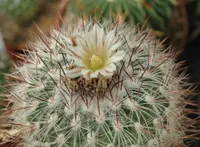
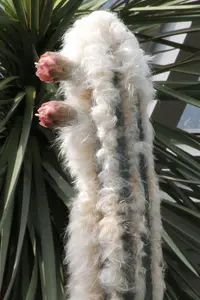
Woolly torch (Pilosocereus leucocephalus) is a columnar cactus known for its tall, upright stems covered with pale, hair-like spines. Mature plants can form multi-stemmed clumps that resemble a small, branched tree in suitable climates.

This species is native to arid and semi-arid regions of Mexico and Central America, where it grows in rocky, well-drained habitats. It is drought tolerant and generally slow to moderate in growth under cultivation.

For those learning how to care for woolly torch, its main needs are strong light, very well-drained soil, and careful watering to avoid root rot. These traits usually make it a manageable plant for growers who can provide bright, dry conditions.

Main Plant Requirements

Care Difficulty

Easy Care

Light Preference

Full Sun

Water Requirements

Low Water

Temperature Preference

Tropical / Frost Sensitive

Hardiness Zone

10–12

Soil Texture

Sandy, Loamy, Rocky

Soil pH

Slightly acidic (6.5–7.0), Neutral (7.0)

Soil Drainage

Well-drained

Fertilization

Minimal (feed rarely)

Get Personalized Care Plan

Scan your plant to receive care tips personalized for your specific plant

Available on iOS and Android

How to Care for the woolly torch

This cactus prefers strong light that mimics full sun in its native habitat.

  • Provide 6–8 hours of direct sun outdoors, ideally morning to early afternoon, with some protection from harsh late-afternoon summer sun.
  • In very hot, bright climates, use light shade cloth or filtered light during peak hours to prevent stem scorching and pale, bleached patches.
  • In cooler or cloudier regions, choose the sunniest south- or west-facing spot so woolly torch does not stretch, lean, or lose its compact form.

This species needs infrequent, deep watering and fast-draining soil to prevent root rot.

  • Water only when the top 3–5 cm of soil are completely dry; the pot or soil should feel noticeably lighter before adding water.
  • During active growth in spring–summer, soak thoroughly, then let excess drain; in fall–winter, reduce watering to light sips or pause if soil stays dry and the plant remains firm.
  • Watch for shriveling ribs as a sign it needs water, and for soft, yellowing, or blackened tissue as a warning of overwatering in Pilosocereus leucocephalus.

This cactus favors warm, arid conditions with a clear cool but not cold resting period.

  • Aim for 70–90°F (21–32°C) in the growing season; consistent warmth supports steady stem elongation without stress marks.
  • Protect from temperatures below 40°F (4°C); brief dips to 35°F (2°C) may be survived if dry, but any frost can scar or kill tissues.
  • In hot regions, it tolerates 95–100°F (35–38°C) if soil drains fast and air moves well; avoid hot reflected surfaces that can overheat roots and trunk.

This cactus handles low household humidity well and rarely needs special humidity control.

  • Ideal humidity is around 30–50% to match its naturally arid habitat.
  • Dry indoor air is usually tolerated; only prolonged humidity above 60% risks rot and fungal issues.
  • Humidity stress shows as soft, darkening stem tissue; improve air circulation and keep the area drier rather than adding moisture.

This species needs a very fast-draining, mineral-rich cactus substrate to prevent root rot.

  • Use a gritty mix such as 40% cactus potting mix with 60% mineral components like pumice, coarse sand, and small gravel.
  • Aim for a slightly acidic to neutral pH around 6.0–7.0, avoiding strongly alkaline or salty substrates.
  • Increase aeration by avoiding fine peat; instead, rely on chunky particles that create air pockets around the roots.
  • Avoid dense, moisture-retentive mixes or pure compost, which stay wet too long and quickly damage Pilosocereus leucocephalus roots.

This species is very suitable for container growing due to its slow root spread and upright habit.

  • Select a tall, heavy pot or place a lighter pot in a cachepot to counterbalance the columnar, top-heavy stems.
  • Choose unglazed terracotta if faster moisture loss is needed, or thick plastic if soil dries too quickly in your climate.
  • Ensure large, unobstructed drainage holes so water exits in seconds, preventing any pooling at the pot base that could rot roots.

This desert cactus benefits from light feeding during the warm growing season but is sensitive to excess nutrients.

  • Use a diluted balanced cactus fertilizer (around 10‑10‑10 or similar) or a low‑nitrogen slow‑release product formulated for succulents.
  • Feed every 4–6 weeks in spring and summer, only when the plant is actively growing and soil is warm.
  • Apply liquid fertilizer at 1/4–1/2 label strength onto already moist soil to limit root burn and salt buildup.
  • For caring for woolly torch in winter, stop feeding entirely or reduce to one very light application if growth has almost stopped.

Pilosocereus leucocephalus needs minimal pruning, mainly to maintain safety, health, and a clean structure.

  • Carry out any pruning in late spring or early summer when growth is active and temperatures are stable.
  • Remove only dead, diseased, frost‑damaged, or rubbing stems, cutting back to healthy tissue with a clean, sharp saw or loppers.
  • Limit height or spread by taking off single columns at their base rather than tipping many stems, which can distort the outline.
  • Sterilize tools before and after use, and avoid large cuts in cool, damp weather to reduce infection risk and slow healing.

This slow to moderate grower tolerates slightly tight conditions but benefits from timely repotting or transplanting.

  • Check for roots circling the pot, pushing through drainage holes, or noticeably slowed growth as cues it needs a larger container.
  • Plan to move young container plants every 2–3 years in late spring, once nights stay consistently above 55°F.
  • Use a very free‑draining cactus mix and shift only 1 pot size up, gently loosening outer roots without breaking the main root mass.
  • After transplanting, set the plant in bright but indirect light for 7–10 days and water lightly to limit transplant shock and rot.

This species is most often propagated from stem cuttings, with seed used when many plants are needed.

  • Take healthy stem sections in late spring or early summer, using a sterile knife and thick gloves for safety.
  • Allow cut surfaces to dry and callus for 7–14 days in a shaded, airy place before planting.
  • Set cuttings upright in barely moist, gritty cactus mix, providing bright indirect light and temperatures around 70–80°F.
  • For seed, sow on the surface of a sterile, well‑draining mix, keep slightly moist, and maintain steady warmth for several weeks.

This cactus is frost sensitive and needs careful winter management in most temperate climates.

  • Maintain winter temperatures ideally above 45–50°F; brief light frosts may scar stems and repeated freezes can kill the plant.
  • For in‑ground specimens in mild regions, keep soil sharply drained and add a light gravel mulch to reduce cold, wet conditions around roots.
  • Move container plants indoors or into an unheated bright room or greenhouse before the first hard freeze.
  • Water very sparingly in winter, letting the mix dry thoroughly to reduce rot while the plant is cool and semi‑dormant.

Care Tips

Stabilize Tall Stems

Install a sturdy, deep-set stake or narrow plant post as soon as the stem approaches 30–40 cm, then loosely secure it with soft ties so the fast-growing column stays upright and does not snap at the base.

Rotate For Even Column

Mark one side of the pot and turn the container 90° every 1–2 weeks during active growth to prevent leaning and to keep the ribbed column straight and evenly lit on all sides.

Protect From Cold Shocks

Before any move from warm indoor conditions to cooler outdoor air, harden the plant off over 7–10 days by gradually increasing outdoor time in a sheltered spot to avoid tissue damage from sudden temperature and light changes.

Clean Wool Safely

Use a dry, soft brush or a hand air-blower to gently remove dust and debris from the woolly areoles so they stay dry and clean, which reduces the risk of fungal spots and mealybug hiding places when caring for woolly torch.

Monitor Pot Weight

Learn the pot’s weight when the mix is fully dry, then briefly lift the container before watering; this quick check helps confirm that the deep root zone has dried adequately between waterings for a large, woody columnar cactus.

Common Pests and Diseases

Mealybugs

This pest hides in the woolly areoles and crevices, sucking sap and causing yellowing and stunted growth. Symptoms include cotton-like clusters that are easy to miss in the natural hair of the stem.

Solution

Isolate the plant, then dab visible insects with cotton swabs dipped in 70% isopropyl alcohol, taking care to get into the woolly areas. Follow with 2–3 applications of an insecticidal soap or neem oil spray at 7–10 day intervals and reduce excess nitrogen fertilization, which can encourage outbreaks.

Red spider mites

These insects thrive on dry, hot cacti, causing a dull, bronzed, or speckled surface on the blue-green stems and sometimes fine webbing in protected areas. This pest may go unnoticed at first due to its tiny size and the plant’s hairy areoles.

Solution

Increase humidity around the plant without wetting the stem continuously, and rinse the stems thoroughly with a strong but gentle stream of water to dislodge mites. Treat with a miticide labeled for ornamental cacti or a repeated neem oil or insecticidal soap program, making sure to coat all sides of the ribbed stems.

Scale insects

This pest appears as small, hard, brown or gray bumps on ribs and near areoles, feeding on sap and producing sticky honeydew. Symptoms include slow growth, slight shriveling, and sometimes sooty mold on the sticky residue.

Solution

Physically remove scales with a soft brush or cloth dipped in 70% isopropyl alcohol, taking care not to damage the epidermis. For heavier infestations, apply horticultural oil or insecticidal soap thoroughly 2–3 times at 7–14 day intervals and improve light and air circulation to support plant vigor as part of Pilosocereus leucocephalus care.

Fusarium stem rot

This disease causes sunken, brown to black lesions on the stem, often starting at a wound or cut surface, and can progress internally along the vascular tissue. Symptoms include softening of affected areas and eventual collapse of segments above the infection point.

Solution

Cut out affected tissue well into healthy, firm stem using a sterile knife and allow the wound to dry and callus completely in a warm, dry, bright place. Disinfect tools between cuts, avoid overhead watering, keep the substrate well-drained and on the dry side, and dispose of all infected material away from other cacti to prevent spread.

Bacterial soft rot

This disease produces rapidly spreading, mushy, foul-smelling spots on the stem, often starting where water has pooled or frost damage occurred. Symptoms include translucent, water-soaked tissue that turns dark and collapses quickly.

Solution

Remove all affected tissue immediately, cutting back into firm, unblemished stem and allowing the cut surface to dry in a low-humidity environment until a hard callus forms. Improve cultural conditions by avoiding water sitting on the stem, watering only at the soil level, protecting the plant from cold, and discarding severely affected plants that cannot be cleaned back to healthy tissue.

Interesting Facts

Distinct woolly cephalium

Mature stems develop a conspicuous band of dense white wool and bristles along the upper ribs, known as a pseudocephalium, where flowers and fruits are produced. This structure helps protect developing flower buds from intense sun and desiccation in its native semi-arid habitats.

Night-blooming adaptation

The large tubular flowers open mainly at night and are pollinated by nocturnal animals such as bats and moths. This timing reduces water loss from floral tissues and aligns nectar availability with active nighttime pollinators.

Bird-dispersed berries

After flowering, it forms bright, fleshy fruits that attract birds, which consume the pulp and disperse the seeds over long distances. This bird-mediated dispersal helps the species colonize rocky slopes and open scrublands across its range in Mexico and Central America.

Botan icon

Did you know?

In parts of its native range, tall, columnar stands of this cactus serve as natural roosting and nesting sites for small birds, which carve or occupy cavities in older stems, creating a miniature vertical ecosystem supported by a single plant.

FAQs about woolly torch

Growth is moderately fast for a columnar cactus. In warm, bright conditions it may add 10–30 cm per year, slowing in cooler seasons. Limited root space, low light, or chronic underwatering can reduce this rate significantly.

Grow Healthy Plants with Botan Care

Keep your plants happy and healthy with plant identification, disease detection, and easy care guidance.


Botan plant care app — identify plants on mobile

Explore More Plants