Parodia stuemeri Care

Parodia stuemeri

About Parodia stuemeri

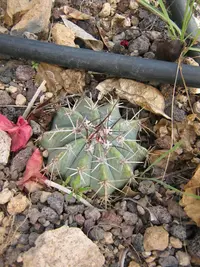
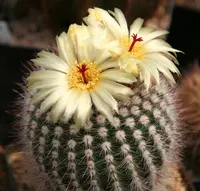
Parodia stuemeri is a small, globular cactus native to rocky regions of South America, especially in parts of Bolivia and Argentina. It stays compact, which makes it suitable for windowsills and small indoor spaces. The plant forms a rounded, ribbed body with dense spines and often produces bright yellow to orange flowers near the crown in favorable conditions. Its slow growth and drought tolerance make it a relatively low-maintenance choice for those who want to care for Parodia stuemeri without frequent watering. It prefers strong light, very well-draining mineral soil, and careful watering that lets the roots dry between soakings.

Main Plant Requirements

Care Difficulty

Easy Care

Light Preference

Full Sun

Water Requirements

Low Water

Temperature Preference

Warm Climate

Hardiness Zone

10–11

Soil Texture

Sandy, Loamy, Rocky

Soil pH

Acidic (5.5–6.5), Slightly acidic (6.5–7.0)

Soil Drainage

Well-drained

Fertilization

Minimal (feed rarely)

Get Personalized Care Plan

Scan your plant to receive care tips personalized for your specific plant

Available on iOS and Android

How to Care for the Parodia stuemeri

This small cactus prefers bright conditions with some protection from intense midday sun.

  • Provide 4–6 hours of direct morning sun with bright, filtered light or light shade in the afternoon, especially in hot, dry regions.
  • Outdoors, site Parodia stuemeri in an open, south or east exposure; in low light it elongates, leans, and may flower poorly.
  • In summer, harden plants off gradually to full sun to prevent scorch; in winter, move closer to the brightest window or unobstructed light source.

This species needs infrequent, deep watering and fast drainage to avoid root rot.

  • Water only when the top 3–5 cm of soil are completely dry; the body should feel firm, not soft or shriveled, before watering again.
  • Use gritty, fast-draining soil and allow all excess water to run off; standing water around roots is a common cause of collapse in Parodia stuemeri.
  • Reduce watering sharply in winter, giving only a light drink every 4–6 weeks if the plant starts to wrinkle, and never water cold, wet soil.

This cactus prefers warm conditions with cool, dry winters and must be protected from frost.

  • Aim for 70–85°F (21–29°C) during active growth, with good air movement in very warm weather to reduce heat stress.
  • Tolerates brief highs up to about 95°F (35°C) if soil is dry and the site is shaded during the hottest hours.
  • Avoid temperatures below 40°F (4°C); long exposure near freezing or any frost can damage tissue, so overwinter in a dry, frost-free spot around 45–55°F (7–13°C).

This cactus handles typical indoor humidity well and rarely needs special humidity care.

  • Aim for 30–50% humidity, similar to most heated homes, without deliberate boosting.
  • Dry air is usually tolerated, but combined with high heat it can speed wrinkling and tip shrinkage.
  • If stems wrinkle despite adequate watering, lower room temperature slightly rather than increasing humidity.

Parodia stuemeri prefers a fast-draining, mineral-rich cactus substrate that prevents waterlogging around the roots.

  • Use a gritty mix such as 40% cactus potting mix, 40% coarse sand or fine gravel, and 20% pumice or perlite for strong drainage.
  • Ensure the structure stays loose and airy so roots receive oxygen and excess water leaves the root zone quickly.
  • Keep pH slightly acidic to neutral, around 6.0–7.0, which most commercial cactus mixes already provide.
  • Avoid heavy, peat-dense or clay-based soils that compact, stay wet for many hours, and promote root rot.

This species is well suited to container growing when the pot is chosen to control moisture around its small root system.

  • Select a shallow but wide pot that matches the cactus diameter, which helps the mix dry evenly and prevents soggy pockets.
  • Choose unglazed terracotta if extra evaporation is needed in cool or low-light positions to avoid prolonged wetness.
  • Place the pot in a stable spot or use a heavier container base to prevent tipping as the plant offsets and becomes lopsided.

Light feeding supports compact, healthy growth of Parodia stuemeri in containers.

  • Use a balanced liquid fertilizer (such as 10-10-10) at 1/4–1/2 strength formulated for cacti and succulents.
  • Feed every 4–6 weeks during active growth in spring and summer only, on already-moist soil.
  • Avoid organic compost mixes that stay wet; they increase rot risk in this cactus.
  • Stop feeding in fall and winter to allow full dormancy and prevent weak, elongated growth.

Pruning needs for Parodia stuemeri are minimal and mostly corrective.

  • Carry out any pruning at the start or end of the warm growing season, when recovery is fastest.
  • Remove only dead, diseased, or mechanically damaged tissue using sterilized, sharp scissors or a craft knife.
  • Trim off dried flower remnants and any collapsed sections to maintain a clean, symmetrical globe shape.
  • Allow cut surfaces to dry and callus in bright, indirect light before watering again to reduce infection risk.

Repotting is infrequent but important to maintain root health and soil quality for this slow-growing cactus.

  • Check for roots circling the pot drainage holes, compacted soil, or unexplained slow growth as signs it needs a larger container.
  • Plan to repot every 3–4 years in late spring, just before strong active growth begins.
  • Choose a pot only 1–2 in wider, with excellent drainage, and use a gritty cactus mix to limit water retention.
  • Gently loosen the root ball, remove rotted roots, let any broken areas callus overnight, then water lightly after 5–7 days.

Propagation of Parodia stuemeri is most reliable from seed under controlled, warm conditions.

  • Sow fresh seed in late spring or early summer when temperatures allow 70–80°F and bright, indirect light.
  • Use a sterile, very well-drained mix (fine grit plus cactus soil) in shallow trays or small pots.
  • Lightly press seeds onto the surface, cover with a thin grit layer, then maintain slightly moist but never waterlogged conditions.
  • Provide gentle bottom warmth if possible and ensure good air movement to limit fungal problems as seedlings develop.

Winter care focuses on keeping this frost-sensitive cactus cool, bright, and completely dry.

  • Keep above 40°F; ideal winter range is 45–55°F in a bright, unheated indoor spot or cool greenhouse.
  • Move outdoor containers indoors before the first frost, ensuring strong light through a south- or west-facing window.
  • Stop watering in winter; dry soil plus cool air reduces rot and supports proper dormancy.
  • Avoid cold drafts and condensation on stems, which increase the chance of fungal issues.

Care Tips

Rotate for symmetry

Turn the pot 90° every 2–3 weeks during active growth to keep the stem evenly cylindrical and prevent a permanent lean toward the light source.

Use top dressing

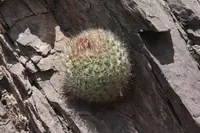
Apply a 0.5–1 cm layer of clean mineral grit (pumice, coarse sand, or small gravel) over the soil surface to keep the stem base dry, reduce algae growth, and discourage fungus gnats.

Cool, bright winter

Provide a bright spot with cooler, stable temperatures around 45–55°F in winter to encourage a natural rest period that improves flowering the following season.

Pot weight check

Choose a clay or heavier pot and ensure a wide enough base so the plant does not tip over as the stem enlarges and becomes more top-heavy over several years of growing Parodia stuemeri.

Prevent water in crown

When watering, aim at the soil line and avoid wetting the top of the cactus, especially the woolly crown, to reduce the risk of rot developing in the growing point.

Common Pests and Diseases

Mealybugs

This pest appears as small white cottony clusters in areole wool and along ribs, sucking sap and weakening the cactus over time.

Solution

Remove visible insects with a cotton swab dipped in 70% isopropyl alcohol, then repeat weekly until no new clusters appear; keep the plant in a bright, airy spot and avoid excess nitrogen fertilization, which can encourage outbreaks when caring for Parodia stuemeri.

Spider mites

These insects are tiny and often unnoticed at first, causing dull, roughened skin, fine webbing between ribs, and small yellow stippling on the epidermis in very dry, warm conditions.

Solution

Increase humidity around the plant without wetting the crown, rinse the cactus gently with lukewarm water to dislodge mites, and use a targeted miticide or insecticidal soap on repeated infestations while improving airflow and avoiding hot, stagnant air.

Scale insects

This pest forms hard, dome-shaped brown or gray bumps on the ribs and around the base, feeding on sap and causing slow decline and sooty mold on honeydew deposits.

Solution

Manually scrape or lift off scales with a soft brush or wooden stick, dab remaining individuals with 70% isopropyl alcohol, then monitor closely and isolate the plant until no new bumps appear.

Fungal stem spots

This disease causes small, sunken, dark or yellow-brown spots on the green body that may slowly enlarge, often after minor mechanical damage or prolonged surface moisture.

Solution

Isolate the plant, keep the stem completely dry for several days, improve light and airflow, and if spots spread, cut out affected tissue with a sterile blade, then dust the wound lightly with a sulfur- or copper-based fungicidal powder and resume careful watering after a dry callus forms.

Basal corking and rot

Symptoms include soft, discolored tissue at the base, sometimes hidden under gravel, progressing upward from prolonged cold, damp conditions around the root collar.

Solution

Unpot the plant, remove all soft tissue with a sterile knife, allow the remaining healthy part to dry and callus in a warm, airy place for several days, then re-root in a fresh, very free-draining mineral mix and water sparingly, especially in cool seasons.

Interesting Facts

Southern Brazil native

This species is naturally found in specific regions of southern Brazil, typically growing on rocky, well-drained slopes where it experiences strong sun and marked dry seasons.

Distinct golden spines

It is characterized by dense, golden to yellowish spines arranged around each areole, which help shade the stem surface and reduce water loss in its bright, exposed habitats.

Funnel-shaped yellow flowers

Mature plants produce bright yellow, funnel-shaped flowers at the crown, usually in groups, which are adapted to attract daytime pollinators such as bees in its native range.

FAQs about Parodia stuemeri

Lack of flowering is usually linked to inadequate light, no cool dry rest in winter, or excess nitrogen fertilizer. A distinct cooler, drier winter period followed by stronger spring light typically triggers reliable bud formation.

Grow Healthy Plants with Botan Care

Keep your plants happy and healthy with plant identification, disease detection, and easy care guidance.

Botan plant care app — identify plants on mobile

Explore More Plants