Cactus Care (Parodia scopa)

Also known as: Silver Ball Cactus
Cactus

About Cactus

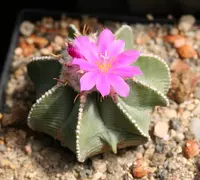
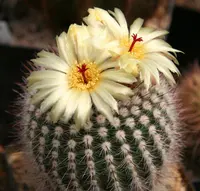
Parodia scopa, often called the silver ball cactus, is a small globular cactus species from southern Brazil, Uruguay, and northern Argentina. It usually stays compact and forms clumps over time. The plant has dense, fine, white to yellowish spines that create a fuzzy look, with bright yellow flowers that appear near the top. Its slow growth and tidy shape make it suitable for windowsills and small indoor collections. This species prefers bright light, low to moderate watering, and very well-drained, gritty soil. These traits, along with good tolerance of dry indoor air, make it relatively simple for beginners learning how to care for Cactus.

Main Plant Requirements

Care Difficulty

Easy Care

Light Preference

Full Sun

Water Requirements

Low Water

Temperature Preference

Warm Climate

Hardiness Zone

9–11

Soil Texture

Sandy, Loamy, Rocky

Soil pH

Acidic (5.5–6.5), Slightly acidic (6.5–7.0)

Soil Drainage

Well-drained

Fertilization

Minimal (feed rarely)

Get Personalized Care Plan

Scan your plant to receive care tips personalized for your specific plant

Available on iOS and Android

How to Care for the Cactus

Parodia scopa needs bright light but benefits from some protection from intense midday sun.

  • Provide 4–6 hours of direct sun daily, ideally gentle morning sun with bright, filtered light from late morning to afternoon.
  • In very hot climates, give light shade during 11 a.m.–3 p.m. to prevent yellowing, corky patches, or scorched ribs on this Cactus.
  • Outdoors, shift gradually into higher light each spring; in low-light seasons, move to the brightest spot available to avoid stretching and leaning.

Parodia scopa prefers thorough but infrequent watering with fast drainage.

  • Water only when the top 3–5 cm of soil are completely dry, then soak deeply and let excess drain away.
  • Reduce watering sharply in fall and winter, keeping soil almost dry; slight wrinkling is safer than constantly moist soil.
  • Watch for overwatering signs such as soft, yellowing tissue and a sour smell, and underwatering signs like prolonged shriveling and very light, dusty soil.

This species thrives in warm, dry conditions with cool but not freezing winters.

  • Aim for active growth temperatures of 70–85°F (21–29°C), with brief peaks to 90°F (32°C) if air is dry and roots are well-drained.
  • Protect from frost; short drops to 32°F (0°C) may be survived if dry, but growth is safer above 40°F (4°C).
  • In winter, a cool rest at 45–55°F (7–13°C) with very limited watering supports strong flowering in the next warm season.

Parodia scopa tolerates dry indoor air well and usually does not need special humidity management.

  • Aim for 30–50% relative humidity, similar to most heated indoor homes.
  • Plant may show humidity stress as soft, pale, or slightly wrinkled tissue if combined with low light and overwatering.
  • If air is extremely dry and hot, place the pot away from heating vents rather than using pebble trays or misting.

Parodia scopa needs a very fast-draining, mineral-rich mix that dries quickly between waterings.

  • Use a gritty blend such as 30–40% cactus potting mix with 60–70% mineral material like pumice, coarse sand, and small gravel.
  • Structure should be loose and airy so water drains through in seconds, preventing root suffocation and rot.
  • Aim for slightly acidic to neutral pH around 6.0–7.0, avoiding mixes dominated by peat that stay wet for long periods.
  • Improve drainage by increasing pumice or gravel if the surface stays damp for more than 2–3 days after watering.

This species is very suitable for container growing when drainage and pot choice are carefully managed.

  • Choose a pot only 2–4 cm wider than the plant body so the mix dries evenly and does not stay wet around unused root space.
  • Select unglazed terracotta if extra evaporation is needed, or heavier ceramic if the container is at risk of tipping over outdoors.
  • Raise the pot slightly on feet or pot risers so drainage holes stay clear and water cannot pool under the base after rain or watering.

Parodia scopa needs only light feeding to support compact, healthy growth in containers.

  • Use a balanced cactus fertilizer (or 10-10-10) at 1/2 strength during the active growing season, spring to late summer.
  • Apply liquid feed every 4–6 weeks to moist soil to avoid root burn and nutrient shock.
  • Stop feeding in fall and winter when growth slows and the plant rests.
  • Avoid rich compost or frequent slow-release pellets, which can cause soft, weak tissue in this Cactus.

Parodia scopa rarely needs structural pruning, but light grooming keeps the plant clean and healthy.

  • Perform any pruning in late spring or early summer when growth is active and wounds heal faster.
  • Remove only dead, diseased, or scarred tissue using sterilized, sharp scissors or a knife.
  • Trim spent flowers and dried flower remains to keep the crown tidy and reduce rot risk.
  • Avoid cutting healthy green stems, as this species naturally maintains its compact, rounded shape.

This cactus grows slowly and prefers only occasional repotting in slightly tight containers.

  • Check for roots circling the pot, pushing through drainage holes, or very slow growth as a sign to repot.
  • Plan to repot every 3–4 years in late spring, using a gritty, fast-draining cactus mix and a pot just 2–3 cm wider.
  • Gently loosen the root ball, remove old soil, and handle the body with folded paper or tongs to avoid damage.
  • Let roots dry for 1–2 days after repotting, then water lightly to reduce transplant shock and rot risk.

Parodia scopa is most often propagated from seed, which maintains species characteristics and compact form.

  • Sow fresh seeds in late spring or early summer on a sterile, well-draining cactus mix, barely covering them.
  • Provide bright, indirect light, 70–80°F warmth, and consistently slightly moist substrate for germination.
  • Cover the tray with a clear lid or plastic to maintain humidity, venting daily to prevent fungal growth.
  • After seedlings develop several spines, thin and pot individually, avoiding deep planting of the stem base.

This cactus needs cool, dry winter conditions and must be sheltered from freezing temperatures.

  • Maintain a cool rest period around 45–55°F with very bright light to support future flowering.
  • Move container plants indoors or into an unheated but frost-free greenhouse before temperatures drop near 32°F.
  • Keep soil almost completely dry in winter, watering only enough to prevent severe shriveling.
  • Ensure good air circulation and no cold drafts to reduce risk of rot during dormancy.

Care Tips

Rotate For Symmetry

Turn the pot 90° every 2–3 weeks during active growth so the stem receives even light on all sides and develops a balanced, upright form instead of leaning toward the brightest window.

Use Top Dressing

Add a 0.5–1 cm layer of clean decorative gravel or pumice on top of the soil to keep the stem base dry, reduce algae and fungus gnat issues, and highlight the woolly areoles without trapping moisture against the plant.

Safe Winter Rest

From late fall, keep the plant in a bright, cool spot and strictly avoid misting or splashing the wool with water, which helps prevent cold-related rot while the cactus is semi-dormant.

Controlled Repot Timing

Repot only in late spring or early summer, then withhold water for 5–7 days after repotting so any minor root damage can callus (dry and seal) before regular watering resumes.

Prevent Wool Contamination

When applying systemic insecticides or dusts for pest control, shield the crown and wool with a paper collar or plastic wrap so particles do not accumulate in the hair-like tissue and cause long-term staining or moisture retention while caring for Cactus.

Everything About Cactus

Common Pests and Diseases

Mealybugs

This pest attacks the woolly areoles and stem ribs, feeding on sap and causing yellowing, stunting, and sticky honeydew that encourages sooty mold. Symptoms include white cotton-like clusters tucked into the spines and around the base of the plant.

Solution

Isolate the plant, then dab visible mealybugs with cotton swabs dipped in 70% isopropyl alcohol and repeat weekly until no new insects appear. Improve light and airflow, avoid overfertilizing, and for heavier infestations use a ready-to-use insecticidal soap or neem oil spray, taking care to treat all crevices around areoles.

Spider mites

These insects thrive in warm, dry indoor air and can form fine webbing between spines, leading to a dull, bronzed, or speckled epidermis. This pest is particularly common on indoor specimens kept in low humidity and stagnant air.

Solution

Rinse the cactus gently with lukewarm water to remove mites and webbing, keeping the soil covered to avoid waterlogging. Increase air movement, avoid very dry overheated spots, and apply insecticidal soap or a miticide labeled for cacti every 7–10 days until new growth looks clean.

Scale insects

This pest appears as small, hard, brown or gray bumps along ribs and near the base, where it feeds on sap and weakens the plant over time. Symptoms include localized yellowing, shriveling patches, and sticky honeydew around the pot or on nearby surfaces.

Solution

Scrape or pry off individual scale insects with a soft brush or wooden stick, then wipe infested areas with a cloth lightly moistened with 70% isopropyl alcohol. Monitor regularly and, if new scale appears, use repeated insecticidal soap or horticultural oil treatments, applying carefully between spines and around the plant’s base.

Fungal stem spots

This disease causes small sunken brown or black lesions on the green stem surface, often starting where water sits or where the skin was slightly damaged. Symptoms include slowly expanding spots that may develop a dry, corky center if the plant remains stressed.

Solution

Remove any severely affected tissue with a sterile knife, cutting back to firm, healthy tissue and allowing the wound to dry in bright, indirect light. Reduce overhead watering, keep the stem dry, improve air circulation, and if new spots appear apply a sulfur-based or copper-based fungicide suitable for cacti according to label directions.

Corking from stress

Symptoms include tan to brown, rough, bark-like patches developing prematurely near the base or along ribs, often triggered by erratic watering, sudden intense sun, or past physical injury. This condition is more than normal age-related corking when it appears early and spreads irregularly on younger tissue.

Solution

Adjust care by providing bright but not suddenly intense sun, using a consistent soak-and-dry watering routine, and avoiding mechanical damage when handling or repotting. Existing corked areas will not revert to green, but stabilizing conditions prevents further spread and supports healthy new growth, which is key to good Parodia scopa plant care.

Interesting Facts

Hairlike spines function

This species forms dense, fine white spines that act like a reflective shield, reducing sun intensity on the stem surface and slightly trapping a layer of still air that helps limit water loss in its native grassland habitats.

Natural grassland specialist

Parodia scopa originates from rocky grasslands and low mountains in southern Brazil, Uruguay, and Argentina, where it often grows among grasses and stones rather than in open desert, experiencing relatively cool winters and regular rainfall.

Flower ring display

Mature plants often produce a ring of bright yellow to orange flowers around the crown, a growth pattern that increases visibility to pollinators above surrounding vegetation and is a key identification feature for Parodia scopa plant care discussions.

Botan icon

Did you know?

In habitat, older Parodia scopa specimens can form tight clusters of many heads from a single root system, creating cushion-like mounds that help stabilize them on shallow, rocky soils and allow damaged heads to be replaced over time.

FAQs about Cactus

This species usually blooms once mature, often needing several years. Lack of flowers often comes from insufficient light, no cool winter rest, or heavy feeding. Slightly cooler, drier winter conditions often trigger flowers the following season.

Grow Healthy Plants with Botan Care

Keep your plants happy and healthy with plant identification, disease detection, and easy care guidance.


Botan plant care app — identify plants on mobile

Explore More Plants