Alamos barrel cactus Care (Ferocactus alamosanus)

Alamos barrel cactus

About Alamos barrel cactus

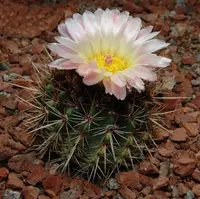
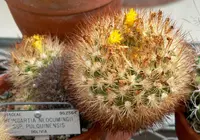
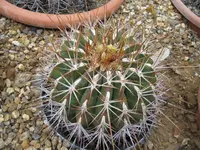
Ferocactus alamosanus, commonly called the Alamos barrel cactus, is a small, slow-growing desert cactus with a compact, rounded body and prominent ribs lined with thick spines. Mature plants may produce funnel-shaped flowers near the crown, adding seasonal interest in suitable conditions.

This species is native to arid regions of Sonora, Mexico, where it grows in rocky, well-drained soils under strong sun and minimal rainfall. Its drought tolerance and slow growth make it suitable for containers, but sensitive roots and a high need for light can challenge beginners learning how to care for Alamos barrel cactus.

It generally prefers very bright light, sparse but deep watering, and gritty, fast-draining soil to stay healthy over many years.

Main Plant Requirements

Care Difficulty

Moderate Care

Light Preference

Full Sun

Water Requirements

Low Water

Temperature Preference

Tropical / Frost Sensitive

Hardiness Zone

9–11

Soil Texture

Sandy, Loamy, Rocky

Soil pH

Slightly acidic (6.5–7.0), Neutral (7.0)

Soil Drainage

Well-drained

Fertilization

Minimal (feed rarely)

Get Personalized Care Plan

Scan your plant to receive care tips personalized for your specific plant

Available on iOS and Android

How to Care for the Alamos barrel cactus

This species prefers strong light and benefits from several hours of direct sun daily.

  • Provide 6–8 hours of direct sun, ideally with morning sun and light afternoon shade, to match Alamos barrel cactus desert conditions.
  • In very hot climates, protect from harsh afternoon sun with 30–40% shade cloth or bright filtered light to prevent epidermis bleaching or scorching.
  • Outdoors, position on a south or southeast exposure; in winter, ensure the plant is not shaded by buildings or trees so growth does not become weak and etiolated.

Ferocactus alamosanus is drought-tolerant and must dry between waterings to avoid root rot.

  • Water only when the top 3–5 cm of soil are completely dry, then soak thoroughly so excess drains away, rather than giving small, frequent sips.
  • From late spring to early fall, monitor ribs: slightly sunken ribs and light soil signal time to water; firm, swollen ribs indicate enough stored moisture.
  • In winter or when temperatures stay below 55°F (13°C), keep almost dry, watering only enough to prevent severe shriveling, as cold wet soil greatly increases rot risk.

This cactus prefers warm, arid conditions with cool but not freezing winters.

  • Aim for an active growth range of 70–90°F (21–32°C), with short periods up to 100°F (38°C) tolerated if soil is dry and air is moving.
  • Protect from frost; avoid exposure below 32°F (0°C), and keep long-term minima around 40–45°F (4–7°C) to reduce cold damage risk.
  • In regions with cool, wet winters, grow under cover so the plant stays dry and above 45°F (7°C), then move to a hotter, sunnier spot as stable warmth returns in spring.

This cactus prefers dry air and does not require elevated humidity indoors.

  • Target 20–40% relative humidity, similar to a heated, dry room environment.
  • Alamos barrel cactus tolerates very dry air but may show stress as softened, pale tissue if kept in persistently damp, stagnant air.
  • If air is extremely humid, increase air movement with a small fan and ensure the potting mix dries quickly rather than trying to raise humidity further.

This species needs a very fast-draining, mineral-rich substrate to prevent root rot.

  • Use a gritty, sandy mix such as 50–70% inorganic material (pumice, coarse perlite, lava rock, or coarse sand) with 30–50% cactus potting mix.
  • Aim for slightly acidic to neutral pH, around 6.0–7.0, which supports nutrient availability without encouraging rot pathogens.
  • Improve aeration by including 5–10 mm grit or crushed lava rock, ensuring clear pore spaces for air between particles.
  • Avoid peat-heavy, compacted, or water-retentive blends and do not add moisture-holding crystals, which keep roots wet for too long and promote disease in Ferocactus alamosanus.

This species grows reliably in containers when given a stable, well-drained setup.

  • Choose a heavy terracotta or ceramic pot to counterbalance the top-heavy body and reduce tipping risk in outdoor wind exposure.
  • Select a pot that is only 2–4 cm wider than the plant’s diameter to keep the root zone drying evenly after watering.
  • Elevate the container slightly on pot feet or bricks so drainage holes stay clear and excess water exits quickly instead of pooling under the base.

This species benefits from light, controlled feeding rather than heavy fertilization.

  • Use a low-nitrogen, balanced cactus fertilizer (for example 5-10-10) or a dilute general balanced NPK product.
  • Feed every 4–6 weeks during spring–summer while growth is active, skipping applications during heatwaves or stress.
  • Dilute liquid fertilizer to 1/4–1/2 strength to avoid salt buildup in the root zone.
  • Stop feeding Alamos barrel cactus in fall and winter to allow full dormancy and reduce rot risk.

Pruning needs for Ferocactus alamosanus are minimal and focus on health rather than shaping.

  • Carry out any work in late spring or early summer when growth is active and wounds heal faster.
  • Remove only dead, diseased, or badly scarred tissue using clean, sharp cactus tongs and a sterile knife.
  • Avoid cutting healthy ribs or areoles, as this slows growth and permanently distorts the plant body.
  • Gently brush away dried flower remnants or fruit to reduce moisture retention and fungal issues.

Container-grown plants need infrequent repotting due to slow, compact root growth.

  • Plan to repot every 3–5 years, or when roots circle the pot base or emerge from drainage holes and growth slows.
  • Repot in late spring, using a slightly larger pot with a deep, very gritty cactus mix for Ferocactus alamosanus.
  • Lift the plant with thick gloves or newspaper, gently loosen the root ball, and trim only dead or rotten roots.
  • Let roots dry 2–3 days after repotting, then water lightly once, reducing stress and lowering rot risk.

This cactus is mainly propagated from seed and is slow to reach mature size.

  • Sow fresh seeds in late spring or early summer in a sterile, very well-drained cactus mix.
  • Press seeds onto the surface, lightly cover with grit, and keep at 70–80°F with bright, indirect light.
  • Maintain slightly moist, not wet, conditions by using a humidity dome with small vents for air exchange.
  • Germination may take several weeks; once seedlings develop spines, gradually reduce humidity and increase light.

Winter care focuses on keeping the plant cold but dry to avoid root and stem rot.

  • This cactus tolerates brief dips near 25–30°F if the soil is completely dry and air is well ventilated.
  • In cold, wet climates, grow Ferocactus alamosanus in containers and move indoors to a bright, cool, dry spot.
  • Stop watering in late fall so the root zone stays dry for the entire cold period.
  • Avoid covering the stem with insulating wraps that trap moisture; instead ensure overhead protection from rain and snow.

Care Tips

Rotate for symmetry

Turn the pot 90° every 2–3 weeks during active growth so the spine clusters develop evenly and the stem stays upright rather than leaning toward the brightest side.

Top‑dress with grit

Apply a 0.5–1 in layer of clean mineral grit or small gravel on the soil surface to keep the neck of the plant dry, reduce algae and fungus gnat issues, and stabilize the base of the cactus.

Use clay pots

Grow this species in unglazed clay rather than plastic if possible, as the extra evaporation through the pot wall helps the root zone dry more evenly and lowers the risk of rot in cool or humid homes.

Winter light boost

In winter, move the plant to the brightest, coolest indoor window and, if natural light is low, add a small LED grow light for 8–10 hours daily to prevent pale, stretched growth rings.

Secure transport safely

When repotting or moving the plant, wrap it loosely with folded newspaper or a strip of foam secured by tape so you can grip and lift it without breaking spines or injuring your hands while caring for Alamos barrel cactus.

Common Pests and Diseases

Mealybugs

This pest often hides in the woolly areoles and between ribs, feeding on plant sap and weakening the stem over time. Symptoms include white cottony clusters, yellowing tissue, and slowed growth.

Solution

Isolate the cactus, then dab visible mealybugs with cotton swabs dipped in 70% isopropyl alcohol and repeat weekly until no new insects appear. For heavier infestations, use a systemic insecticide labeled for cacti and maintain drier, well-ventilated conditions to discourage reinfestation as part of Ferocactus alamosanus care instructions.

Red spider mites

These insects prefer hot, very dry conditions and can colonize the rib grooves, causing a dull, bronzed surface and fine webbing on the epidermis. Symptoms include tiny pale speckles that merge into larger discolored patches.

Solution

Increase air movement and briefly raise ambient humidity with light misting around, not directly on, the cactus, then wash the plant gently with a strong stream of water to dislodge mites. Follow with 2–3 rounds of a miticide or insecticidal soap labeled for spider mites, applied at 7–10 day intervals, and avoid prolonged extreme dryness combined with stagnant air.

Scale insects

This pest appears as small, hard, brown or gray bumps tightly attached to the stem, especially near the base and around areoles. These insects suck sap, leading to yellow patches, stunted growth, and sticky honeydew that can attract sooty mold.

Solution

Manually remove scales with a soft brush or cloth soaked in 70% isopropyl alcohol, taking care not to damage the skin. For persistent cases, treat the potting mix with a systemic insecticide and monitor regularly, as new crawlers are easier to control when first seen.

Fungal stem spots

This disease develops when water sits on the stem in cool or poorly ventilated conditions, leading to sunken, corky, or dark lesions on the epidermis. Symptoms include localized brown or black spots that may expand slowly along the ribs.

Solution

Cut out small, confined lesions with a sterile knife if feasible, then dust the wound with a dry sulfur or copper-based fungicide and keep the plant in a dry, bright, well-ventilated spot until fully callused. Reduce overhead watering, direct water only into the soil, and avoid crowding plants to limit humidity and further spread.

Bacterial soft rot

This disease usually enters through mechanical wounds or sunburned tissue, producing rapidly spreading, mushy, foul-smelling areas in the stem. Symptoms include soft, discolored patches that collapse and may exude liquid when pressed.

Solution

At the first sign, cut away all affected tissue back into firm, healthy flesh using sterile tools, and discard heavily infected plants that cannot be cleaned. Allow cut surfaces to dry and callus in a warm, dry place, with no watering until tissue is fully hardened, and avoid injuring the epidermis in future handling or repotting.

Interesting Facts

Sonoran limestone specialist

This species is naturally restricted to limestone hills near Álamos in southern Sonora, Mexico, where it grows in very rocky, mineral-rich soils with intense sun and high temperatures.

Strongly hooked central spines

Its central spines are thick, stiff, and often strongly hooked at the tip, an adaptation that helps shade the stem surface and may deter herbivores from accessing the water-storing tissues.

Narrow habitat distribution

The plant has a very localized range and is considered rare in the wild, which makes responsible sourcing and sustainable propagation important when learning how to take care of Alamos barrel cactus.

Botan icon

Did you know?

The flowers of this species are relatively large compared to the size of the plant body and form a tight ring near the crown, creating a conspicuous floral display that attracts native pollinators in its restricted Sonoran habitat.

FAQs about Alamos barrel cactus

Flowering usually starts only once the plant is several years old and well established. Lack of blooms often relates to insufficient maturity, inadequate light intensity, or stress from frequent repotting or temperature swings, rather than a specific disease.

Grow Healthy Plants with Botan Care

Keep your plants happy and healthy with plant identification, disease detection, and easy care guidance.

Botan plant care app — identify plants on mobile

Explore More Plants