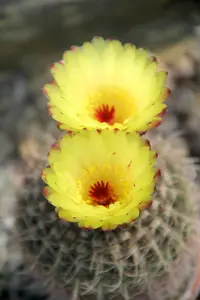
candelabro Care (Pachycereus weberi)

candelabro

About candelabro

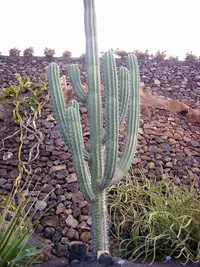
Pachycereus weberi, commonly called candelabro, is a large columnar cactus that forms tall, branching stems resembling a many-armed candelabra. It is a slow-growing species native to arid and semi-arid regions of Mexico, where it dominates dry slopes and open scrublands. The plant develops a thick, woody trunk with stiff ribs and spines that help reduce water loss and protect it from herbivores. Its drought tolerance and low nutrient needs make it relatively simple to care for candelabro in suitable climates. It prefers strong light, minimal moisture, and sharply draining, sandy or rocky soil.

Main Plant Requirements

Care Difficulty

Moderate Care

Light Preference

Full Sun

Water Requirements

Low Water

Temperature Preference

Tropical / Frost Sensitive

Hardiness Zone

10–11

Soil Texture

Sandy, Loamy, Rocky

Soil pH

Slightly acidic (6.5–7.0), Neutral (7.0)

Soil Drainage

Well-drained

Fertilization

Minimal (feed rarely)

Get Personalized Care Plan

Scan your plant to receive care tips personalized for your specific plant

Available on iOS and Android

How to Care for the candelabro

Pachycereus weberi needs strong, direct sun to develop sturdy stems and healthy growth.

  • Provide 6–10 hours of direct sun daily, with morning and midday sun preferred; light, open shade in late afternoon is acceptable in very hot regions.
  • Young or recently transplanted candelabro should be acclimated over 10–14 days, starting with filtered light to prevent sunburn patches on the ribs.
  • In winter, ensure the site still receives at least 4–5 hours of unobstructed sun, since prolonged low light leads to thin, etiolated growth.

This cactus is highly drought-tolerant and must dry well between waterings to prevent root damage.

  • Outdoors in arid climates, water deeply only when the top 5–8 cm of soil are completely dry; in humid regions, watering may be needed just a few times each summer.
  • Use very fast-draining, gravelly soil so that water runs through within seconds; standing water or heavy clay strongly increases rot risk for Pachycereus weberi.
  • Signs of overwatering include yellowing, soft or mushy stems, while severe wrinkling and shrinking ribs indicate prolonged drought and justify a thorough soak.

This species prefers warm, arid conditions and is sensitive to prolonged cold and frost.

  • Aim for daytime temperatures of 75–95°F (24–35°C) during active growth, with cooler but still warm nights around 60–70°F (16–21°C).
  • Short exposures down to about 28–30°F (-2 to -1°C) may be survived if the plant is very dry, but repeated frost will scar tissue and can kill young stems.
  • In extreme heat above 105°F (40°C), airflow and dry soil improve tolerance; avoid sudden cold snaps in fall by ensuring the plant is dry before temperatures drop.

Humidity is rarely a concern for this desert cactus in home or garden conditions.

This cactus needs very fast-draining, mineral-heavy soil to prevent root rot.

  • Use a gritty mix of 50–70% inorganic material such as pumice, coarse sand, and small gravel, with the rest a low-organic cactus mix.
  • Aim for a slightly alkaline to neutral pH around 7.0–7.8, avoiding acidic potting blends dominated by peat.
  • Ensure the mix stays loose and airy; break up fine particles and avoid compaction that traps water around the roots.
  • For Pachycereus weberi outdoors, build raised mounds or berms in heavy soils so water sheds away quickly after rain.

This species can be grown in containers when space, weight, and eventual size are carefully managed.

  • Choose a tall, heavy pot that balances the plant’s columnar, top-heavy form and reduces tipping in strong wind.
  • Select unglazed clay if extra evaporation is needed in wet climates, or thick plastic in very dry regions to slow moisture loss.
  • Fill large containers with a deep, gritty layer and avoid fine top dressings that seal the surface and slow drainage.

Pachycereus weberi is a slow-growing desert cactus that benefits from modest, carefully timed feeding in containers.

  • Use a dilute balanced cactus fertilizer (around 10-10-10) or low-nitrogen slow-release granules at 1/2 strength.
  • Feed every 4–6 weeks during spring–summer active growth, only when soil is warm and the plant is well lit.
  • Avoid fertilizing in fall–winter dormancy; excess nutrients then increase rot risk and weak, etiolated growth.
  • In poor, long-used mixes, a light top-dressing of compost is possible, kept thin and away from the stem to aid caring for candelabro.

Pachycereus weberi seldom needs structural pruning and is usually limited to hygiene and safety cuts.

  • Carry out any pruning in late spring–early summer, when growth and wound closure are most reliable.
  • Remove only dead, diseased, storm-damaged, or dangerously leaning stems, cutting back to healthy tissue.
  • Use clean, sharp loppers or a pruning saw; disinfect blades between cuts to limit pathogen spread.
  • Expect pruning to slow vertical growth on cut arms and sometimes stimulate branching below the cut line.

This large columnar cactus is rarely repotted at maturity, so focus on careful transplanting and early container shifts.

  • Look for roots circling the pot drainage holes, soil drying extremely fast, or stalled growth as signs a move is needed.
  • Plan repotting or transplanting for late spring, when soil is warming and the risk of prolonged cold, wet periods is low.
  • For young plants, shift to a pot only 2–5 cm wider every 2–3 years, using a gritty, fast-draining cactus mix.
  • Support the heavy stems, keep the root ball intact, water lightly after moving, and shade from harsh sun for 7–10 days to reduce stress.

New Pachycereus weberi plants are most often raised from cuttings or seeds under warm, dry-air conditions.

  • Take stem cuttings in late spring–summer, letting the cut surfaces callus for 2–4 weeks in a shaded, airy place.
  • Plant callused segments upright in sterile, gritty cactus mix and keep barely moist until roots form.
  • Sow seeds on the surface of a fine, fast-draining mix at 75–85°F with bright, indirect light.
  • Ventilate seedlings well to prevent damping-off, and water sparingly once they show steady growth.

This cactus is moderately cold sensitive and needs dry, sheltered winter conditions, especially in colder regions.

  • Avoid exposure below about 25°F; brief light frost may mark tissue but sustained freezes can kill stems.
  • In-ground plants benefit from a 5–10 cm layer of coarse gravel or mineral mulch around the root zone.
  • For containers, move plants under cover or indoors to a bright, cool, very dry spot for winter.
  • Keep soil almost completely dry in cold weather to reduce root and stem rot risk.

Care Tips

Stabilize Young Stems

Install a stout wooden or metal stake on the windward side of young plants and secure the stem loosely with soft nursery tape to prevent rocking that can damage fine feeder roots as the cactus gains height.

Encourage Strong Trunk

Plant slightly deeper than the original nursery level, covering 2–3 cm of the lower stem with coarse mineral mix, to anchor the base and reduce the risk of leaning in exposed, open sites.

Dry-Wound Management

If a stem segment is cut or damaged, trim to clean tissue with a sterile knife and leave the wound completely dry and uncovered so it can form a corky callus, reducing the chance of fungal infection.

Monitor Winter Wet

In regions with cool wet winters, place a wide, elevated gravel ring around the base to keep mulch and splashing rain off the stem, which helps prevent basal rot where cold moisture lingers.

Pest-Scouting Routine

During warm months, inspect the ribs and areoles every 2–4 weeks for scale insects or mealybugs and treat early with a cotton swab dipped in isopropyl alcohol, which keeps caring for candelabro largely preventative rather than reactive.

Common Pests and Diseases

Scale insects

This pest attaches to green stems and ribs, sucking sap and causing yellowing patches and weak growth. Symptoms include small, dome-shaped brown or tan bumps that feel hard and do not easily wipe off.

Solution

Physically remove scales with a cotton swab dipped in isopropyl alcohol, working along each rib and around areoles, then rinse the plant with a gentle water spray. For heavier infestations on outdoor plants, use a light horticultural oil or insecticidal soap, applied in the cool part of the day and repeated every 7–10 days until no new scales appear.

Mealybugs

These insects hide in rib grooves, around areoles, and in branch junctions, leaving white, cottony masses and sticky honeydew that can attract sooty mold. This pest weakens the cactus over time and can deform new growth if not controlled.

Solution

Dab visible mealybugs and their cottony clusters with a cotton swab dipped in isopropyl alcohol, then inspect and treat all crevices and offsets. Improve air movement, reduce crowding, and, if needed, apply insecticidal soap or a systemic insecticide labeled for cacti, repeating treatments until no new mealybugs appear.

Corky scab (edema-type damage)

This disorder produces rough, brown, corky patches on the lower ribs and sides of stems, often after periods of excess moisture or sudden changes in humidity. Symptoms include firm, dry lesions that do not feel soft or wet and usually stay localized.

Solution

Allow the soil to dry more thoroughly between waterings, especially in cool or low-light conditions, and avoid sudden shifts from very dry to very wet. Improve drainage and air movement; affected areas will not turn green again but new growth should stay smooth once conditions are stabilized.

Fungal stem canker

This disease causes localized sunken, brown to black lesions on the stems that may expand and crack, sometimes with a dry or slightly gummy surface. Symptoms include patches that start small around minor wounds or sunburned areas and slowly spread along ribs.

Solution

Cut out affected tissue with a sterile, sharp knife back to firm, healthy flesh, then allow the wound to dry and callus in bright, indirect light with no watering on the wound area. Improve drainage, avoid overhead watering, and keep the plant in a drier, airy spot; for outdoor plants in humid climates, consider a preventive copper-based fungicide on previously injured areas according to label directions.

Bacterial soft rot

This disease leads to rapidly soft, foul-smelling, water-soaked areas on stems, often starting from a wound or site of mechanical damage. Symptoms include tissue that collapses under gentle pressure and may ooze when cut.

Solution

Immediately cut away all affected soft tissue well into firm, healthy tissue with sterile tools, and dispose of all infected material away from other plants. Allow the wound to dry completely, suspend watering until a firm callus forms, improve airflow, and avoid splashing water on stems; in severe cases on a multi-stem clump, remove and discard the worst-affected stems to preserve the remaining healthy parts when following Pachycereus weberi care best practices.

Interesting Facts

Massive columnar size

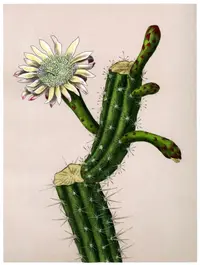
This species forms tall, tree-like columns that can branch repeatedly, creating a candelabra silhouette characteristic of mature plants in central Mexico’s dry landscapes.

Nocturnal bat pollination

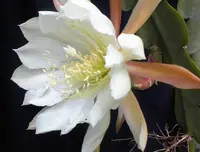
Its tubular, night-opening flowers are adapted for pollination by nectar-feeding bats, which visit in the dark and transfer pollen between widely spaced plants.

Spiny fruit protection

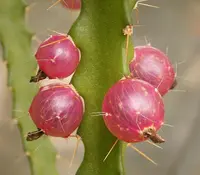
The developing fruits are covered with stiff spines that help protect the seeds from some herbivores until they ripen and split, exposing the seeds for dispersal by animals.

Botan icon

Did you know?

In parts of its native range in central Mexico, this cactus is a prominent structural component of dry forest and scrub communities, providing perches and shelter for birds and small mammals that use its dense branching for nesting and protection.

FAQs about candelabro

This columnar cactus grows slowly in cultivation, often adding only a few cm per year. It can take many years to form tall, branched stems, especially in containers or cooler, low-light regions.

Grow Healthy Plants with Botan Care

Keep your plants happy and healthy with plant identification, disease detection, and easy care guidance.

Botan plant care app — identify plants on mobile

Explore More Plants