Rapicactus beguinii Care

Rapicactus beguinii

About Rapicactus beguinii

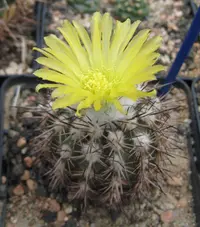
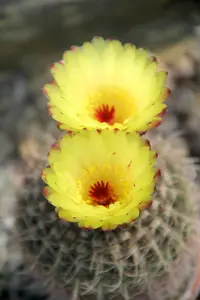
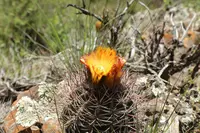
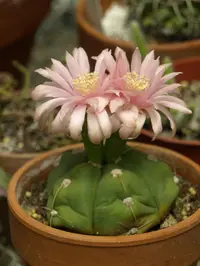
Rapicactus beguinii is a small, slow-growing cactus from arid regions of northern Mexico. It forms a single, rounded stem covered with pronounced tubercles and stiff spines. Mature plants may produce small, often pale flowers at the crown, adding subtle interest rather than showy blooms.

This species stays compact, which makes it suitable for windowsills and small indoor collections. Its slow growth and sensitivity to excess moisture can make it slightly challenging, but stable conditions and very free-draining soil help. Bright light, careful watering, and a gritty mineral mix are the main points to understand when learning how to care for Rapicactus beguinii.

Main Plant Requirements

Care Difficulty

Moderate Care

Light Preference

Full Sun

Water Requirements

Low Water

Temperature Preference

Warm Climate

Hardiness Zone

9–11

Soil Texture

Sandy, Rocky, Loamy

Soil pH

Slightly acidic (6.5–7.0), Neutral (7.0)

Soil Drainage

Well-drained

Fertilization

Minimal (feed rarely)

Get Personalized Care Plan

Scan your plant to receive care tips personalized for your specific plant

Available on iOS and Android

How to Care for the Rapicactus beguinii

This small desert cactus thrives with bright, mostly direct sun and clear seasonal light changes.

  • Provide 4–6 hours of direct morning sun plus bright light the rest of the day; light afternoon shade is helpful in very hot, dry climates.
  • In summer, gradually acclimate Rapicactus beguinii to stronger sun to avoid bleaching, yellow patches, or corky sunburn on the ribs.
  • In winter, give as much light as possible; long, weak growth and pale green color signal that the plant is not receiving enough sun.

This species needs infrequent but thorough watering with fast drainage and long dry periods.

  • Water only when the top 3–5 cm of soil are completely dry; in warm growing seasons this may mean every 10–21 days depending on heat and airflow.
  • Use a very free-draining mineral mix so water runs through in seconds; standing water or a heavy mix quickly leads to root rot and a sour smell.
  • In winter, reduce watering to very small amounts every 4–6 weeks, watching for slight wrinkling as a sign of thirst and soft, translucent tissue as a sign of excess moisture.

This cactus prefers warm, dry conditions with a cool but not freezing rest in winter.

  • Aim for 70–85°F (21–29°C) during active growth, with plenty of airflow to prevent heat buildup around the stem and roots.
  • It tolerates brief heat up to 95°F (35°C) if kept drier and shaded during the hottest hours, but prolonged extreme heat can stress the plant.
  • Protect from frost; growth slows well at 45–55°F (7–13°C), but extended exposure below 40°F (4°C) risks tissue damage, especially in wet soil.

This cactus is adapted to dry air, so humidity control is rarely critical indoors.

  • Aim for 20–40% humidity, similar to a heated, dry room environment.
  • Prolonged humidity above 60% can encourage rot, especially if the substrate stays damp.
  • Soft, pale, or splitting tissue at the base often indicates excess humidity combined with poor air movement.

Rapicactus beguinii needs a very fast-draining, mineral-rich substrate to prevent root and stem rot.

  • Use a cactus mix heavily amended with coarse mineral material such as pumice, lava rock, or coarse sand for a gritty structure.
  • Keep organic content low; include only a small amount of sifted compost or coir to avoid moisture retention around the roots.
  • Aim for slightly acidic to neutral pH, roughly 6.0–7.0, which supports nutrient availability without stressing the roots.
  • Avoid compacted, fine, or peat-heavy substrates that stay wet, and break up any clods to maintain air pockets around the root zone.

This species is well suited to container growing due to its compact root system and slow growth.

  • Choose a pot only slightly wider than the plant to limit excess substrate volume that could hold unnecessary moisture.
  • Select unglazed clay if extra evaporation is needed, as it helps the mix dry more evenly between waterings.
  • Elevate the container on feet or a stand so drainage holes stay clear and excess water escapes freely after irrigation.

This small desert cactus benefits from light feeding but is sensitive to excess nutrients and salts.

  • Use a low-nitrogen, balanced cactus fertilizer (for example 5-10-10) or a diluted general balanced NPK, never fresh compost in pots.
  • Feed once every 4–6 weeks in spring and summer only, when Rapicactus beguinii shows active growth.
  • Dilute liquid fertilizer to 25–50% of the label rate and apply to already-moist soil to avoid root burn.
  • Stop feeding in fall and winter during dormancy, especially below 60°F, to prevent weak, etiolated growth.

This cactus needs almost no structural pruning, only minimal hygiene work over time.

  • Carry out any work in late spring or early summer, when conditions are warm and dry.
  • Remove only dried flower remains, dead tissue, or clearly rotting areas, keeping healthy ribs intact.
  • Use clean, sharp scissors or a sterile knife and disinfect between cuts to limit disease spread.
  • Pruning has little effect on shape or flowering, so focus on plant health and rot control rather than cosmetic shaping.

Repotting is infrequent but important for root health and long-term container growth.

  • Check for roots circling the pot, emerging from drainage holes, or unexplained slow growth as signals to repot.
  • Plan to repot every 3–5 years in late spring, using a slightly larger pot with very free-draining cactus mix.
  • Water lightly 2–3 days before repotting, then gently loosen the root ball and remove old, compacted soil.
  • After repotting, place the plant in bright, indirect light, keep soil nearly dry for 7–10 days, then resume normal watering.

Propagation is usually done from seed and is moderately slow but reliable with stable conditions.

  • Sow fresh seeds in late spring or early summer in a sterile, gritty cactus mix with fine texture.
  • Press seeds onto the surface, barely cover with sand or fine grit, and mist to settle the medium.
  • Maintain 70–80°F, bright indirect light, and evenly slight moisture, covering with a ventilated dome for humidity.
  • Once seedlings develop several ribs and firm roots, gradually increase light and allow the surface to dry slightly between waterings.

This species prefers a cool, dry winter rest and is not suited to prolonged freezing conditions.

  • Keep temperatures around 45–55°F during winter, avoiding drops below 32°F, especially in containers.
  • Move potted plants indoors to a bright, cool windowsill before hard frost in temperate climates.
  • Ensure soil stays almost completely dry, watering only enough to prevent severe shriveling.
  • Provide maximum light indoors to support healthy Rapicactus beguinii care without triggering soft, weak growth.

Care Tips

Deep pot choice

Use a relatively deep, narrow pot with generous drainage holes to accommodate the strong taproot and reduce the risk of root rot during long dry intervals.

Mineral mulch layer

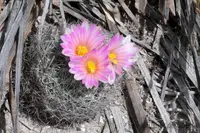
Top-dress the substrate with 1–2 cm of coarse grit or small stones to keep the neck of the plant dry, reduce algae and fungus on the surface, and stabilize the stem.

Hardening for sun

Before moving the plant to high summer light, harden it off over 10–14 days by gradually increasing direct sun exposure to avoid epidermal scorching of the ribs and areoles.

Cool rest period

Provide a cool, very dry rest period at 45–55°F in winter to promote tighter growth and improve the likelihood of flowering in the following season.

Targeted pest checks

Inspect areoles and the root zone for mealybugs at each repotting, discarding all old substrate and treating with a systemic or contact insecticide if any cottony clusters are visible to support long-term Rapicactus beguinii care.

Common Pests and Diseases

Red spider mites

This pest thrives on stressed, sun-exposed stems in very dry air and causes fine speckling, dulling of the epidermis, and fine webbing between ribs or tubercles.

Solution

Increase humidity slightly around the plant without wetting the body, rinse the cactus gently with a lukewarm water spray, and then treat with a targeted miticide or insecticidal soap, repeating after 7–10 days while improving air movement and avoiding chronic drought stress.

Root mealybugs

These insects live hidden on the roots and in the potting mix, causing slow decline, poor new growth, and sudden shriveling despite apparently adequate watering.

Solution

Unpot the plant, wash off all substrate, remove visible insects, and soak roots briefly in a systemic insecticide solution or 70% isopropyl alcohol, then repot in fresh, very free-draining mineral soil and monitor with sticky traps and periodic inspections of the root zone.

Soft scale

This pest appears as small, slightly raised, brown or tan bumps on ribs or areoles and feeds on sap, leading to yellowing patches and sticky honeydew on the plant surface.

Solution

Manually remove scales with a cotton swab dipped in 70% isopropyl alcohol, then apply a light coating of horticultural oil or insecticidal soap to all surfaces, keeping the plant in bright, airy conditions and isolating it from other cacti during treatment as part of overall Rapicactus beguinii care instructions.

Interesting Facts

Strong taproot adaptation

This species develops a relatively thick taproot that stores water and anchors the plant deeply in its rocky native soils in northeastern Mexico, helping it survive long droughts and temperature swings.

Variable spine patterns

Plants in this species often show noticeable variation in spine length, density, and color between populations, reflecting adaptation to different light levels and microhabitats in the wild.

Slow, compact growth

Rapicactus beguinii grows very slowly and typically remains solitary and compact for many years, a growth strategy that conserves resources in its harsh, nutrient-poor habitat.

Botan icon

Did you know?

Rapicactus beguinii has a relatively restricted natural distribution in arid regions of northeastern Mexico, which, together with its slow growth and specialized habitat, has made it a sought-after but conservation-sensitive species among specialist cactus collectors.

FAQs about Rapicactus beguinii

This cactus grows best outdoors in warm, dry climates with plenty of light, but can adapt to bright indoor windowsills. Indoor conditions are usually safer in cooler or wetter regions, making Rapicactus beguinii indoor care a practical option.

Grow Healthy Plants with Botan Care

Keep your plants happy and healthy with plant identification, disease detection, and easy care guidance.

Botan plant care app — identify plants on mobile

Explore More Plants