Eriosyce strausiana Care

Eriosyce strausiana

About Eriosyce strausiana

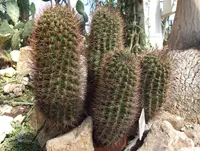
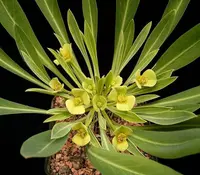
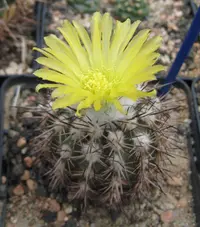
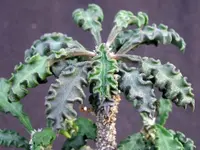
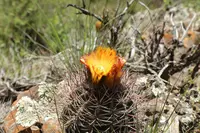
Eriosyce strausiana is a small, slow-growing desert cactus native to arid regions of Chile and Argentina. It forms a rounded to slightly columnar stem with pronounced ribs and stout spines. Color ranges from gray-green to dark green, often with a woolly crown. In suitable conditions it produces showy, funnel-shaped flowers near the top of the plant. This species prefers strong light, very fast-draining mineral soil, and careful watering with long dry periods between soakings. Its slow growth and sensitivity to excess moisture make it moderately challenging, but those who learn how to care for Eriosyce strausiana can maintain a long-lived specimen.

Main Plant Requirements

Care Difficulty

Moderate Care

Light Preference

Full Sun

Water Requirements

Low Water

Temperature Preference

Warm Climate

Hardiness Zone

9–11

Soil Texture

Sandy, Rocky, Loamy

Soil pH

Slightly acidic (6.5–7.0), Neutral (7.0)

Soil Drainage

Well-drained

Fertilization

Minimal (feed rarely)

Get Personalized Care Plan

Scan your plant to receive care tips personalized for your specific plant

Available on iOS and Android

How to Care for the Eriosyce strausiana

This high Andean cactus prefers strong light but benefits from some protection from extreme sun.

  • Provide 6–8 hours of direct sun daily, ideally with morning sun and light afternoon shade, especially in hot, lowland climates.
  • In very intense summer sun, use 30–40% shade cloth or place where it gets filtered light after midday to prevent bleaching and corky sunburn spots.
  • In winter, give the plant the brightest possible exposure to support compact growth and flowering; long, pale growth indicates insufficient light for Eriosyce strausiana.

This species is drought-adapted and must dry well between waterings to avoid root rot.

  • During active growth in spring–summer, water only when the top 3–5 cm of soil are completely dry, then soak thoroughly and let all excess drain away.
  • Use a very fast-draining mineral-rich mix; any water standing in the pot or tray for more than 15–20 minutes increases the risk of rot.
  • In autumn reduce watering sharply, and in winter keep almost dry; yellowing, soft tissue suggests overwatering, while slight wrinkling signals the need for a modest drink.

This cactus thrives in warm, dry conditions but needs protection from freezing temperatures.

  • Aim for 65–80°F (18–27°C) during the growing season, which supports steady, compact development and healthy root activity.
  • Short dips to 40–45°F (4–7°C) are usually tolerated if kept dry, but prolonged exposure near or below 32°F (0°C) can cause tissue damage or death.
  • In hot spells above 90°F (32°C), increase airflow and provide light afternoon shade to prevent overheating of the stem and root zone.

This cactus prefers dry air and usually does best at 20–40% humidity.

  • Tolerates typical indoor dry air well and does not need extra humidification.
  • Early humidity stress shows as softened, pale, or slightly translucent stem tissue near the base.
  • Avoid placing the plant close to humidifiers, kitchens, or bathrooms where humidity stays high for long periods.
  • If air is very humid, increase air movement around Eriosyce strausiana with a small fan set on low, away from direct drafts.

This species needs very fast-draining, mineral-rich soil to prevent root rot.

  • Use a gritty cactus mix based on coarse sand or small gravel with minimal organic matter for Eriosyce strausiana.
  • Aim for a slightly acidic to neutral pH around 6.0–7.0, which suits most cactus roots.
  • Combine 1 part commercial cactus mix with 2 parts pumice, perlite, or grit to improve drainage and aeration.
  • Avoid compact, peat-heavy, or clay-based soils that stay wet or form clods, since these suffocate roots and encourage fungal disease.

This cactus is very suitable for container growing due to its compact, slow-growing habit.

  • Select a pot only slightly wider than the plant body so the mix dries evenly and does not stay wet at the edges.
  • Choose unglazed terracotta to speed evaporation in cool or humid climates and reduce the risk of root rot.
  • Use a shallow but stable pot shape, especially with heavy mineral soil, to keep the plant from tipping while still draining rapidly.

This cactus grows in poor soils, so Eriosyce strausiana needs only light, infrequent feeding in cultivation.

  • Use a low-nitrogen, balanced cactus fertilizer (diluted to 25–50% strength) during active growth in spring–summer.
  • Apply liquid feed no more than every 4–6 weeks to avoid soft, weak tissue and root burn.
  • Ensure soil is already moist before feeding to prevent salt concentration at the roots.
  • Stop fertilizing in fall–winter when growth is dormant, especially if kept cool and dry.

Pruning needs for Eriosyce strausiana are minimal and focus on health rather than shaping.

  • Carry out any pruning in late spring or early summer when growth is active and wounds seal faster.
  • Remove only dead, diseased, or badly scarred tissue using clean, sharp scissors or a sterile knife.
  • Trim off rotten segments back to firm, healthy tissue, then let the cut surface dry before watering again.
  • Avoid cosmetic reshaping, since heavy cuts can disfigure the cactus and slow flowering.

Repotting Eriosyce strausiana is infrequent and should be done carefully to avoid root damage.

  • Check for roots circling the pot, pushing through drainage holes, or very slow growth as signs it needs more space.
  • Plan to repot every 3–5 years in late spring, just before or as new growth starts.
  • Use a slightly larger pot with a very free-draining cactus mix, handling the root ball gently to keep roots intact.
  • Let roots dry for 2–3 days after repotting before lightly watering, reducing rot risk while wounds heal.

Propagation of Eriosyce strausiana is mainly done from seed and requires patience and stable conditions.

  • Sow fresh seeds in late spring or early summer on a sterile, fine cactus mix, barely covering them.
  • Maintain 70–80°F warmth, bright but indirect light, and high air humidity with good ventilation.
  • Water from below or mist lightly to keep the surface just moist, never wet, until seedlings establish.
  • Once seedlings are firm and show spines, gradually increase light and reduce humidity before potting individually.

Winter care for Eriosyce strausiana focuses on cool, dry conditions and preventing freezing damage.

  • Keep indoor or greenhouse temperatures around 40–50°F, avoiding frost and sudden cold drafts.
  • Reduce watering drastically, keeping the soil almost dry to prevent root rot in low light and cool air.
  • For container plants outdoors, move pots indoors or into a cold frame before temperatures approach freezing.
  • Ensure good air circulation and maximum light during winter dormancy to maintain compact, healthy growth.

Care Tips

Deep pot selection

Use a relatively deep, narrow pot with generous drainage holes so the strong taproot can develop fully and the root neck stays slightly above the substrate surface to reduce rot risk when growing Eriosyce strausiana.

Mineral top dressing

Apply a 0.5–1 cm layer of coarse grit, pumice, or small lava rock on the soil surface to keep the neck dry, stabilize the plant body, and reduce algae or moss growth in bright, dry setups.

Summer rain protection

During warm rainy periods, move outdoor plants under a roof overhang or transparent cover so the substrate does not stay saturated for days, which this species tolerates poorly despite liking strong sun.

Cold, dry resting

In late fall, gradually stop watering and keep the plant in a bright, cool, airy place so it can enter a dry winter rest, which promotes tighter growth and more reliable spring flowering.

Targeted mealybug checks

Inspect closely between ribs, at the areoles, and around the root neck 1–2 times per month, since mealybugs often hide in these spots; if found, isolate the plant and treat promptly with an appropriate systemic insecticide or alcohol swab for small infestations.

Common Pests and Diseases

Red spider mites

This pest thrives on Eriosyce in hot, dry air and causes fine yellowish stippling and a dull, dusty look on the epidermis. Symptoms include very fine webbing between ribs or spines and gradual loss of the plant’s natural sheen.

Solution

Increase air humidity locally around the plant without wetting the body, rinse the cactus gently with a strong but controlled stream of water, and isolate it from other cacti. If mites persist, apply a targeted miticide or insecticidal soap labeled for spider mites, repeating after 7–10 days, and avoid prolonged overheated, stagnant conditions to prevent recurrence.

Mealybugs

These insects hide in spine bases and woolly areoles, appearing as white cottony clusters that suck sap and weaken the plant. Symptoms include slowed growth, slight wrinkling, and sticky residue on the pot or shelf.

Solution

Remove visible colonies with a cotton swab dipped in isopropyl alcohol, taking care to reach into the areoles and spine clusters. For heavier infestations, use a systemic insecticide suitable for cacti and improve inspection routines, especially when introducing new plants, as part of long‑term Eriosyce strausiana care instructions.

Corking-related fungal spots

This disease appears as localized brown or darkened spots that may start soft, then harden and merge with natural corky tissue on the lower stem. Symptoms include slightly sunken, discolored patches that differ from uniform, age‑related corking and may slowly expand in humid, poorly ventilated conditions.

Solution

Cut out small early lesions with a sterile blade, allow the wound to dry, and dust with a dry sulfur or copper-based fungicidal powder. Improve light, reduce excess humidity, and maintain good air movement; avoid overhead watering so the stem surface dries quickly after irrigation.

Soft bacterial rot

This disease develops rapidly in damaged tissues, especially around old flower scars or mechanical wounds, leading to soft, dark, water-soaked areas with a possible foul odor. Symptoms include collapse of affected ribs and quick spread through the stem in warm, wet conditions.

Solution

Remove all affected tissue immediately with a sterile knife, cutting back into firm, healthy flesh, and allow the plant to dry in a warm, airy place. If rot has not reached the base, treat exposed surfaces with sulfur powder and keep the plant completely dry for several days; severely affected specimens are best discarded to protect nearby cacti.

Root mealybugs

These insects live on the roots and in the lower stem zone, forming white cottony masses that reduce water uptake and cause unexplained wilting or poor growth despite normal watering. Symptoms include weak new growth, a plant that stays loose in the pot, and visible white fluff on roots when unpotted.

Solution

Unpot the plant, wash off all soil, and rinse roots thoroughly under lukewarm water, then remove any obviously damaged roots. Soak the root system briefly in an appropriate systemic insecticide solution, repot into fresh, sterile, very gritty mix, and keep isolated while monitoring new growth and watering sparsely until recovery.

Interesting Facts

Andean coastal specialist

This species is native to the arid coastal hills and low Andes of northern Chile, where it grows on rocky, mineral-rich slopes exposed to strong sun and large day–night temperature swings.

Heavy spination strategy

The long, dense, often slightly curved spines help shade the stem surface, reduce water loss, and provide mechanical protection against herbivores in its open, sparsely vegetated habitat.

Nocturnal flower opening

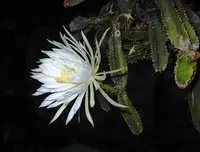
Its tubular white flowers typically open during the evening or night, an adaptation linked to pollination by nocturnal insects in its native range.

FAQs about Eriosyce strausiana

Growth is very slow. Seedlings often stay small for several years, and even mature plants may add only a few millimeters of diameter per year. Consistent warmth and a lean, gritty substrate support the natural growth rhythm.

Grow Healthy Plants with Botan Care

Keep your plants happy and healthy with plant identification, disease detection, and easy care guidance.

Botan plant care app — identify plants on mobile

Explore More Plants