Crassula streyi Care

Crassula streyi

About Crassula streyi

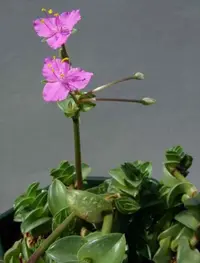
Crassula streyi is a compact, succulent species grown mainly as a foliage plant for its striking, glossy, dark green leaves with contrasting red undersides. It forms low, spreading clumps and tends to stay small, which makes it suitable for containers, windowsills, and mixed succulent displays.

This species is native to South Africa, where it grows in rocky, well-drained habitats. It is considered moderately easy to grow if kept in bright light, low to moderate moisture, and loose, fast-draining soil.

Understanding how to care for Crassula streyi is mostly about avoiding overwatering, providing enough light, and protecting it from cold drafts and prolonged frost.

Main Plant Requirements

Care Difficulty

Moderate Care

Light Preference

Bright Indirect Light

Water Requirements

Low Water

Temperature Preference

Tropical / Frost Sensitive

Hardiness Zone

10–11

Soil Texture

Sandy, Loamy, Organic-rich

Soil pH

Slightly acidic (6.5–7.0), Neutral (7.0)

Soil Drainage

Well-drained

Fertilization

Minimal (feed rarely)

Get Personalized Care Plan

Scan your plant to receive care tips personalized for your specific plant

Available on iOS and Android

How to Care for the Crassula streyi

This succulent prefers bright, indirect light with some gentle sun exposure each day.

  • Provide 4–6 hours of bright, filtered light daily, such as morning sun and light shade in the afternoon, to keep leaves compact and well colored.
  • Crassula streyi tolerates partial shade, but growth becomes looser and leaves dull if light stays below bright shade for many weeks.
  • Avoid harsh midday summer sun, which can scorch leaves; in winter, move the plant to the brightest frost-free spot to compensate for shorter days.

This species prefers thorough but infrequent watering that allows the soil to dry between soakings.

  • Water only when the top 2–4 cm of soil are completely dry, checking with a finger rather than using a fixed schedule.
  • Use a sharply draining mix and a container or bed that does not stay waterlogged; yellowing, soft, or translucent leaves usually indicate overwatering and possible root rot.
  • In spring and summer, watering may be needed more often, while in cooler, low-light months reduce frequency to prevent the soil staying wet for more than 2–3 days.

This plant prefers mild, frost-free conditions and does best with stable temperatures.

  • Aim for 65–80°F (18–27°C) during active growth for steady development and reduced stress.
  • Protect from temperatures below 40°F (4°C); brief dips to 35–40°F (2–4°C) may be tolerated but repeated exposure risks cold damage and leaf drop.
  • In hot weather above 90°F (32°C), provide light shade and good air movement, and avoid placing the plant near heat-reflecting surfaces that can overheat roots.

This species tolerates typical indoor humidity well, so humidity is rarely a concern.

This succulent needs a sharply drained, mineral-rich mix that dries quickly between waterings.

  • Use a gritty substrate such as 50–60% cactus mix combined with perlite, pumice, or coarse sand for structure.
  • Aim for slightly acidic to neutral pH around 6.0–7.0, which suits Crassula streyi root function.
  • Ensure the mix feels loose and crumbly so water runs through in seconds, not minutes.
  • Avoid dense garden soil, peat-heavy blends that stay wet, or mixes that compact and reduce aeration.

This species is well suited to container growing.

  • Choose a shallow, wide pot to accommodate fibrous roots and keep the foliage mass stable as it spreads.
  • Use a pot with large, unobstructed drainage holes so the gritty mix sheds water rapidly after each watering.
  • Prefer unglazed terracotta in humid or cool homes, as it allows faster evaporation and reduces prolonged dampness around the roots.

This succulent benefits from light, controlled feeding during active growth but tolerates lean soil conditions.

  • Use a balanced liquid fertilizer (around 10-10-10 or 20-20-20) diluted to 1/4–1/2 strength for Crassula streyi.
  • Feed every 4–6 weeks in spring and summer only, after watering, to reduce root burn risk.
  • Skip feeding in fall and winter when growth slows, unless the plant is under strong indoor light.
  • Avoid organic compost-heavy mixes that stay wet; choose products for cacti and succulents.

Pruning helps maintain a compact, tidy form and removes weak material on this small succulent.

  • Best time for pruning Crassula streyi is late winter to early spring, before strong new growth begins.
  • Use clean, sharp scissors or small pruning shears to cut away dead, damaged, or shriveled stems and leaves.
  • Shorten leggy shoots just above a node to encourage branching and a fuller, lower habit.
  • Remove crowded interior stems to improve airflow and light penetration around the plant base.

This species prefers slightly tight conditions and only needs infrequent repotting in containers.

  • Repot every 2–3 years in spring when roots circle the pot, emerge from drainage holes, or growth slows noticeably.
  • Choose a pot only 2–3 cm wider with drainage holes and a gritty cactus mix to limit water retention.
  • Gently loosen circling roots and trim any rotten portions with sterile scissors to reduce future rot risks.
  • Water lightly after repotting, then allow the mix to dry almost completely before the next watering to limit transplant shock.

New plants are most often produced from stem or leaf cuttings, which root reliably under the right conditions.

  • Take healthy, non-flowering stem cuttings 5–8 cm long in late spring or early summer for growing Crassula streyi.
  • Let cut surfaces callus for 1–2 days in dry air to reduce rot before planting in a gritty, barely moist mix.
  • Provide bright, indirect light, 70–80°F warmth, and good airflow; avoid covering cuttings with plastic.
  • Bottom watering or misting the soil surface lightly maintains slight moisture without saturating the cuttings.

This succulent is frost sensitive and needs mild, dry winter conditions, especially in containers.

  • Move potted plants indoors before temperatures drop below 40°F, giving bright, cool light near a window.
  • Keep soil almost dry in winter; water only when the mix is fully dry to the bottom of the pot.
  • Avoid cold drafts and windowsills that reach near-freezing temperatures to prevent tissue damage.

Care Tips

Encourage Compact Growth

Rotate the pot 90° every 1–2 weeks so all sides receive similar light exposure, which keeps the rosette compact and prevents lopsided, weak growth.

Monitor Leaf Undersides

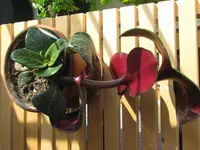
Check the deep red undersides of the leaves monthly with a hand lens for early signs of mealybugs or scale, since pests are often easier to spot against the dark coloration there.

Controlled Offset Division

When offsets reach about 5–7 cm and have their own roots, separate them with a sterile knife and pot them in small individual containers to maintain the vigor and tidy shape of the mother plant.

Adjust Winter Rest

In winter, give the plant slightly cooler conditions and avoid any repotting or division, since a mild rest period reduces stress and supports stronger growth in spring.

Use Top Dressing

Apply a thin layer of decorative grit or small gravel on the soil surface to keep lower leaves dry, reduce fungus gnat breeding, and stabilize the shallow root zone when caring for Crassula streyi.

Common Pests and Diseases

Mealybugs

This pest often hides in leaf axils and along stems, feeding on sap and causing stunted growth and dull, puckered foliage. Symptoms include cottony white clusters and sticky honeydew on leaves and nearby surfaces.

Solution

Isolate the plant, then dab visible insects with cotton swabs dipped in 70% isopropyl alcohol and gently wipe affected areas. Repeat weekly until no new insects appear and improve air movement and light levels, as part of Crassula streyi care, to make the plant less favorable for reinfestation.

Spider mites

These insects thrive in warm, dry indoor air and feed on the underside of leaves, leading to fine stippling, dull leaf color, and eventual leaf drop. Symptoms include fine webbing between leaves and petioles.

Solution

Rinse foliage thoroughly with a gentle, lukewarm shower, focusing on the leaf undersides, and repeat every few days for 2–3 weeks. Maintain slightly higher humidity around the plant, avoid very dry air near heaters, and use an insecticidal soap or horticultural oil labeled for mites if the infestation persists.

Soft scale

This pest appears as small, dome-shaped brown or tan bumps on stems and leaf midribs that do not move when touched. This pest sucks sap, causing yellowing, sticky honeydew, and sometimes sooty mold growth on leaves.

Solution

Manually scrape or wipe off scales with a cotton pad or soft brush dipped in 70% isopropyl alcohol, then inspect and repeat every 7–10 days. For heavier infestations, apply a horticultural oil thoroughly to stems and leaf midribs, ensuring good coverage while keeping the plant in bright, indirect light during treatment.

Edema

This physiological disorder occurs when roots absorb water faster than the leaves can transpire it, leading to water-soaked blisters or corky patches, especially on the underside of leaves. Symptoms include rough, tan or brown raised spots that do not rub off.

Solution

Reduce watering frequency so the soil dries more between waterings and ensure the pot has free drainage and no standing water in saucers. Provide brighter light and stable temperatures, and avoid sudden changes from very dry to very wet soil to prevent further damage on new growth.

Interesting Facts

Natural South African range

This species is native to the Eastern Cape region of South Africa, where it grows in rocky habitats and well-drained, often gritty soils exposed to strong light.

Distinctive leaf coloration

Its leaves show a striking contrast, with glossy green to bronze upper surfaces and rich red to purple undersides, an adaptation that may help manage light absorption and protect tissues from intense sun.

Cluster-forming growth habit

The plant forms low, spreading clusters from short, branching stems, allowing individual rosettes to share root space and resources in shallow, nutrient-poor substrates when growing Crassula streyi in cultivation.

FAQs about Crassula streyi

Brown leaf tips or patches usually come from underwatering, low humidity, or fertilizer salts building up in the potting mix. Check soil moisture, flush the substrate with plain water, and reduce feeding until new growth looks normal.

Grow Healthy Plants with Botan Care

Keep your plants happy and healthy with plant identification, disease detection, and easy care guidance.

Botan plant care app — identify plants on mobile

Explore More Plants