oakleaf geranium Care (Pelargonium quercifolium)

Also known as: oak-leaved geranium, oakleaf storksbill, oak-leaf pelargonium, velvet oak geranium, oak-leaved pelargonium
oakleaf geranium

About oakleaf geranium

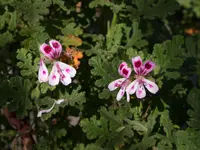
Pelargonium quercifolium, commonly called oakleaf geranium, is a shrubby, scented geranium grown mainly for its aromatic foliage rather than for showy flowers. It forms a woody, branching plant with deeply lobed, oak-like leaves that release a strong, resinous scent when touched.

This species originates from South Africa and adapts well to warm, dry climates and container culture. Its drought tolerance, fast growth, and resilience make it relatively easy for beginners, as long as it receives good light and well-drained soil.

Understanding how to care for oakleaf geranium mainly involves providing bright conditions, avoiding waterlogged roots, and trimming lightly to keep the plant compact and leafy.

Main Plant Requirements

Care Difficulty

Moderate Care

Light Preference

Full Sun

Water Requirements

Moderate Water

Temperature Preference

Tropical / Frost Sensitive

Hardiness Zone

10–11

Soil Texture

Sandy, Loamy, Organic-rich

Soil pH

Slightly acidic (6.5–7.0), Neutral (7.0)

Soil Drainage

Well-drained

Fertilization

Light (every 4–6 weeks)

Get Personalized Care Plan

Scan your plant to receive care tips personalized for your specific plant

Available on iOS and Android

How to Care for the oakleaf geranium

This scented pelargonium thrives in bright, direct sun but benefits from some protection in very hot climates.

  • Provide 6–8 hours of sun daily, ideally with strong morning sun and light afternoon shade, especially in hot inland areas.
  • Tolerates light partial shade for a few hours, but stems may stretch and flowering decrease if grown in less than 4–5 hours of direct light.
  • In summer, protect oakleaf geranium from harsh late-afternoon sun that can scorch leaves; in winter, choose the sunniest spot available.

Pelargonium quercifolium prefers thorough watering followed by a clear drying phase in the upper soil layer.

  • Water when the top 2–4 cm of soil feels dry, soaking the root zone and then letting excess drain away completely.
  • Reduce watering in cool or low-light seasons, allowing the soil to dry a bit deeper, while in hot weather check dryness more frequently.
  • Yellowing, soft leaves and a musty smell indicate overwatering and poor drainage; crisp, drooping leaves and dry, light soil indicate underwatering.

This species grows best in mild, dry conditions and is sensitive to frost and prolonged cold.

  • Aim for 65–80°F (18–27°C) for strongest growth, with slightly cooler nights improving overall vigor and flower production.
  • Protect plants when temperatures approach 32°F (0°C), as foliage and young stems are easily damaged by frost and may not recover.
  • Tolerates short hot spells up to about 90°F (32°C) if soil is not waterlogged and roots stay aerated, but growth slows in prolonged extreme heat.

This species prefers relatively dry air and usually does not need special humidity control indoors.

  • Aim for 30–50% humidity; typical heated or air-conditioned homes fall in this range.
  • Plants tolerate brief drier air, but very high humidity with poor air flow encourages leaf spots and mildew.
  • Humidity stress shows as soft, blotchy leaves or fungal growth; improve air circulation rather than misting oakleaf geranium.

Provide a light, fast-draining mix that dries quickly between waterings.

  • Use a sandy or loamy substrate with 30–40% coarse material such as perlite, pumice, or horticultural grit to keep pores open.
  • Aim for slightly acidic to neutral pH, around 6.0–7.0, which supports nutrient uptake without excess salt buildup.
  • Blend in a small amount of well-rotted compost for nutrients but avoid heavy, peat-soggy mixes that retain water for many days.
  • For Pelargonium quercifolium grown in pots, avoid dense garden soil that compacts and restricts root aeration.

This species is well suited to container growing on patios, balconies, and bright outdoor spaces.

  • Select a pot just 2–4 in wider than the root ball to limit excess unused mix that stays wet too long.
  • Choose a heavier terracotta or ceramic container if winds are strong, since upright growth can make the plant top-heavy.
  • Elevate the pot on feet or a stand so water drains freely and the drainage holes never sit in a saucer of runoff.

Pelargonium quercifolium responds well to moderate feeding during active growth in spring and summer.

  • Use a balanced liquid fertilizer (around 10-10-10 or 20-20-20) diluted to 1/2 strength for container plants.
  • Feed every 3–4 weeks during the growing season, applying to moist soil to avoid root burn.
  • For garden-grown oakleaf geranium, mix light compost into the topsoil in spring instead of frequent liquid feeding.
  • Stop feeding in late fall and through winter dormancy, except for a very light 1/4-strength dose once in midwinter indoors if growth continues.

Pelargonium quercifolium benefits from light, purposeful pruning to maintain a compact, leafy form and encourage flowering.

  • Plan main pruning in late winter or very early spring before strong new growth starts.
  • Use clean, sharp scissors or hand pruners to remove dead, damaged, or weak stems back to healthy tissue.
  • Thin crowded interior shoots to improve air flow and light penetration, helping reduce disease risk.
  • Tip back long, leggy stems by 1/3 to promote branching and denser growth, avoiding removal of all young shoots at once.

Container-grown plants appreciate occasional repotting to refresh soil and maintain steady growth.

  • Check for roots circling the pot base, pushing through drainage holes, or persistent wilting, which indicate the need to move Pelargonium quercifolium to a larger container.
  • Plan repotting for early spring, every 2–3 years, stepping up only 1–2 in in pot diameter each time.
  • Gently loosen circling roots, trim broken ones, and set the plant at the same soil level in fresh, free-draining mix.
  • Water thoroughly after repotting, then keep slightly shaded for 3–5 days to reduce transplant shock and allow roots to re-establish.

New plants are most often produced from stem cuttings, which root reliably under warm, bright conditions.

  • Take 7–10 cm non-flowering tip cuttings from Pelargonium quercifolium in late spring or summer.
  • Remove lower leaves, let the cut ends dry for 1–2 hours, then insert into a very well-drained medium such as 50% perlite and 50% potting mix.
  • Optional rooting hormone on the cut surface can speed root formation and increase success rates.
  • Provide bright, indirect light, 68–75°F temperatures, and only light watering until roots form in 2–4 weeks.

This scented geranium is frost-sensitive and needs protection anywhere winters drop below mild temperatures.

  • Move container plants indoors before nights fall consistently below 40°F, placing them in bright light with good air flow.
  • In mild-winter climates, apply a 3–5 cm mulch layer around outdoor roots, keeping mulch off stems to limit rot.
  • Reduce watering in winter so the soil stays just lightly moist, especially in cool indoor conditions.
  • In colder regions, treat plants as tender perennials, overwintering indoors or taking cuttings for the next growing season.

Care Tips

Encourage Bushy Shape

Pinch out soft shoot tips every 3–4 weeks during active growth to keep plants compact, increase branching, and encourage more scented foliage for harvesting.

Rotate For Even Growth

Turn containers 90° every 1–2 weeks so all sides receive strong light, which reduces leaning, helps maintain a balanced framework, and prevents weak, one-sided growth.

Refresh Woody Plants

On older, woody plants, remove 1–2 of the thickest stems at the base each spring to stimulate new shoots and maintain an open, ventilated structure that dries quickly after watering.

Strategic Foliage Harvest

When taking leaves for fragrance or use, harvest from vigorous outer stems and avoid stripping a single shoot, which preserves photosynthetic area and reduces stress on the plant.

Seasonal Pest Monitoring

Check the undersides of leaves and soft tips weekly in spring and early summer for aphids and whiteflies, and hose off or spot-treat early infestations before they spread, which is a key part of caring for oakleaf geranium in containers and small gardens.

Common Pests and Diseases

Geranium rust

This disease causes small yellow spots on the upper leaf surface and brown, powdery pustules in matching positions on the undersides. Symptoms include early leaf yellowing and drop, especially in dense, humid conditions.

Solution

Remove and discard all affected leaves, avoid wetting foliage, and space plants to improve airflow. For persistent problems, use a labeled fungicide containing myclobutanil or chlorothalonil, applying according to geranium-specific directions and keeping humidity as low as practical.

Botrytis blight

This disease appears as soft, brown, water-soaked areas on leaves, flowers, and stems that develop a gray, fuzzy mold in cool, damp conditions. Symptoms include flower bud drop and rapid collapse of tender growth.

Solution

Remove all infected tissue and faded flowers, and dispose of them away from plants. Improve air circulation, reduce overhead watering, and, if needed, use a registered fungicide for Botrytis on ornamentals, applied during cool, humid periods when the disease is most active.

Geranium budworm

This pest is a caterpillar that tunnels into flower buds and petals, causing distorted, chewed, or nonopening flowers with small dark droppings on leaves below. Symptoms include reduced blooming and ragged petals on scented geraniums, including oakleaf types.

Solution

Handpick and remove caterpillars and damaged buds regularly, especially at dusk when they are most active. For heavier infestations, use a biological control like Bacillus thuringiensis (Bt) kurstaki on buds and flowers, repeating applications as new growth develops.

Aphids

These insects cluster on soft shoot tips and flower stems, sucking sap and causing curling, sticky leaves and distorted new growth. This pest also produces honeydew, which can lead to black sooty mold on foliage.

Solution

Spray plants with a firm stream of water to dislodge colonies, then treat remaining insects with insecticidal soap or a light horticultural oil, covering shoot tips and leaf undersides. Repeat every 5–7 days until populations drop and encourage natural predators like lady beetles outdoors.

Bacterial leaf spot

This disease causes small, water-soaked, translucent spots on leaves that may turn brown and angular, sometimes with yellow halos. Symptoms include scattered leaf spotting and eventual drop of heavily affected foliage, especially in overhead-watered plants.

Solution

Remove affected leaves promptly and avoid splashing water on foliage, especially in warm conditions. Improve spacing, keep foliage dry, and discard severely affected plants; in collections, use only clean tools and propagation material to limit spread, following oakleaf geranium care instructions that emphasize good sanitation.

Interesting Facts

Oak leaf mimicry

The leaves of this species closely resemble small oak leaves, with deeply lobed margins, a feature that helps distinguish it from other scented-leaf pelargoniums in cultivation.

Balsam-scented foliage

When the foliage is gently rubbed, it releases a strong resinous, balsamic scent rather than the citrus or rose notes typical of many other scented pelargoniums.

Shrub-like growth form

Unlike many compact bedding pelargoniums, this species naturally forms a woody, branching subshrub that can reach around 1 m in height in mild climates, giving it a more shrubby, structural appearance in the garden.

Botan icon

Did you know?

This species belongs to the section Pelargonium within the genus, a group that largely originates from winter-rainfall regions of South Africa, and its natural adaptation to these seasonal dry-summer climates influences how it responds to watering and growth cycles in cultivation.

FAQs about oakleaf geranium

Poor flowering often comes from insufficient light, overly rich nitrogen fertilizer, or old, woody stems. Deadhead spent blooms, avoid heavy feeding, and prune lightly in late winter to encourage new, flower-producing growth when growing oakleaf geranium.

Grow Healthy Plants with Botan Care

Keep your plants happy and healthy with plant identification, disease detection, and easy care guidance.

Botan plant care app — identify plants on mobile

Explore More Plants