Austral Bugle Care (Ajuga australis)

Austral Bugle

About Austral Bugle

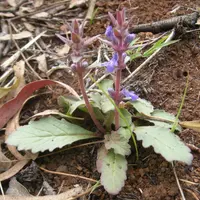
Austral bugle, Ajuga australis, is a low-growing perennial groundcover native to eastern Australia. It typically forms spreading mats of glossy green leaves with short flowering spikes. Small bluish to purple flowers appear mainly in the warmer months and attract bees and other pollinators. Plants usually stay compact, which makes them suitable for borders, understory plantings, and naturalistic gardens. Ajuga australis adapts to a range of conditions but prefers moderate light, steady moisture, and reasonably well-drained soil. Its resilience and relatively low maintenance needs help simplify how to care for Austral Bugle in home gardens and landscape settings.

Main Plant Requirements

Care Difficulty

Easy Care

Light Preference

Partial Shade

Water Requirements

Moderate Water

Temperature Preference

Cool Climate

Hardiness Zone

8–11

Soil Texture

Sandy, Loamy, Organic-rich

Soil pH

Acidic (5.5–6.5), Slightly acidic (6.5–7.0)

Soil Drainage

Moist but well-drained

Fertilization

Minimal (feed rarely)

Get Personalized Care Plan

Scan your plant to receive care tips personalized for your specific plant

Available on iOS and Android

How to Care for the Austral Bugle

This low-growing native groundcover prefers bright but gentle light to maintain dense foliage.

  • Provide 3–5 hours of morning sun with light or dappled shade through the afternoon, which suits Austral Bugle in most gardens.
  • In warm regions, protect from harsh sun between 11 am and 3 pm to prevent leaf scorch, especially during summer heat waves.
  • In deep or continuous shade, expect looser growth and fewer flowers; increase light by thinning overstory or choosing a brighter site.

Ajuga australis prefers consistently moist but not waterlogged soil once established.

  • Allow the top 2–4 cm of soil to dry before watering, then water slowly so moisture reaches the root zone without pooling on the surface.
  • Use a free-draining soil or bed and avoid sites where water sits for longer than 30–60 minutes after rain to reduce root rot risk.
  • In hot, dry periods, watch for limp or curling leaves as a sign to water, while yellowing, mushy crowns suggest overwatering.

This species grows best in mild climates and tolerates short periods of heat or cold when established.

  • Aim for active growth in 60–77°F (16–25°C), where foliage spreads quickly and flowering is most reliable.
  • Plants generally tolerate down to about 23°F (-5°C) with only light damage, but repeated hard frosts below this can kill crowns, especially in poorly drained soil.
  • During hot spells above 86°F (30°C), provide extra shade and soil moisture, as prolonged heat and dryness can cause leaf scorch and thinning mats.

Ajuga australis tolerates a wide humidity range but performs best with moderate ambient moisture.

  • Aim for 40–60% humidity, typical of most homes, to keep foliage growth even and resilient.
  • Plants handle short dry spells, but prolonged air below 30% can lead to crisp leaf edges and slower spread.
  • If indoor air is very dry, group pots together on a pebble tray with water below pot bases to slightly raise local humidity.

Ajuga australis prefers moist, well-structured soil that drains freely yet retains consistent moisture.

  • Use a loamy mix with high organic matter, such as garden loam blended with compost for moisture retention and nutrients.
  • Ensure free drainage by loosening heavy soil with coarse sand or fine bark, avoiding waterlogged conditions that promote root rot.
  • Target a slightly acidic to neutral pH around 6.0–7.0, which supports nutrient availability and healthy root activity.
  • Avoid compacted clay or pure sand; improve structure by incorporating 20–40% compost plus coarse materials for aeration.

This species suits container growing when the pot supports its spreading habit and moisture needs.

  • Choose a wide, shallow container so stolons can spread horizontally while the mix still dries evenly between waterings.
  • Use a heavier material such as ceramic if placing the container outdoors, reducing tipping as the mat of foliage thickens on one side.
  • Raise the pot slightly on feet or bricks outdoors so drainage holes stay clear and excess water escapes quickly after rain or irrigation.

This native groundcover grows well in average soil, but light feeding supports denser growth and better flowering when growing Austral Bugle in gardens or containers.

  • Use a balanced, slow-release fertilizer (around 10-10-10) or a thin layer of compost in early spring.
  • Feed garden plants once per growing season; containers can receive a half-strength liquid feed every 4–6 weeks.
  • Always water before and after applying fertilizer to reduce root burn risk and improve nutrient uptake.
  • Stop feeding in late fall and avoid winter fertilization to prevent soft, cold-sensitive growth.

Ajuga australis benefits from light, strategic pruning to stay compact and encourage fresh foliage and flowers.

  • Best timing is after main flowering in late spring or early summer, with a second light tidy in early fall if needed.
  • Shear or clip spent flower spikes and leggy stems to promote a denser mat of leaves.
  • Remove dead, diseased, or frost-damaged foliage with clean hand pruners or sharp scissors.
  • Thin out overcrowded patches to improve air movement and reduce fungal issues in humid climates.

Ajuga australis is more often transplanted in the garden than kept long term in containers, but both can be moved with care.

  • Transplant or up-pot in early spring or early fall when temperatures are mild and soil is workable.
  • Look for roots circling the pot, slow growth, or the plant lifting from soil as signs it needs more space.
  • Lift clumps with a trowel or spade, keeping a generous root ball, and replant at the same soil depth in enriched, well-drained ground.
  • Water thoroughly after moving and keep soil evenly moist for 2–3 weeks to reduce transplant shock.

This species is commonly propagated to expand groundcover patches or share plants with others.

  • Division is the most reliable method; divide mature clumps in early spring or early fall when growth is active but heat is low.
  • Gently tease clumps apart by hand or with a clean knife, ensuring each section has roots and several shoots.
  • Replant divisions into moist, well-drained soil or pots, firm gently, and keep evenly damp until established.
  • Seeds can be sown in trays with light, free-draining mix; provide bright light and mild temperatures for even germination.

Ajuga australis is generally hardy in mild to moderate climates and usually needs minimal winter care outdoors.

  • In regions with light frost, foliage may scorch but roots typically survive and reshoot in spring.
  • Apply a thin mulch layer around the root zone to buffer temperature swings while keeping crowns uncovered.
  • Container plants in colder zones can be moved to a sheltered porch or unheated garage to avoid repeated freeze–thaw cycles.

Care Tips

Control Spreading Edges

Once or twice a year, slice through and lift outer runners with a sharp spade to stop the clump invading paths or beds, then replant healthy pieces where groundcover is desired.

Encourage Dense Mats

After flowering, lightly shear spent flower spikes and any tall, straggly foliage to promote a lower, denser carpet that suppresses weeds more effectively.

Summer Stress Management

In hot, dry spells, lay a thin organic mulch around but not on top of the crowns to reduce soil temperature and moisture loss, which helps maintain foliage quality in warm climates.

Root Division Renewal

Every 3–4 years, lift and divide crowded patches in early autumn, discarding woody or bare-centered sections and replanting only vigorous rosettes to keep the groundcover vigorous.

Slug And Snail Patrol

Inspect the planting at dusk after rain and hand-remove slugs and snails or use barriers such as copper tape around nearby containers to prevent chewing damage to new foliage when growing Austral Bugle.

Common Pests and Diseases

Crown rot

This disease often develops in compacted, poorly drained soils where the crown stays wet for long periods. Symptoms include collapsing rosettes, browning at the crown, and plants that pull away easily from the soil.

Solution

Improve drainage by loosening soil and avoiding waterlogged conditions, and thin crowded patches to improve airflow. Remove and discard affected plants and surrounding soil, then replant only into well-drained areas and keep irrigation light but regular according to general Ajuga australis care instructions.

Southern blight

This disease is favored by warm, moist conditions, especially in dense groundcover mats. Symptoms include sudden wilting, tan to brown lesions at the soil line, and white fungal growth with small mustard-colored sclerotia on stems and debris.

Solution

Promptly remove and dispose of infected plants and the top layer of surrounding soil, and avoid moving contaminated soil or tools to healthy areas. Reduce surface moisture with drip irrigation rather than overhead watering, and in severe cases treat the bed with a soil fungicide labeled for Southern blight, following label directions carefully.

Foliar leaf spot

This disease appears in humid or shaded conditions, especially where foliage stays damp after rain or watering. Symptoms include small purple, brown, or black spots on leaves that may merge, leading to yellowing and thinning of the groundcover.

Solution

Remove and dispose of heavily spotted leaves to reduce the source of spores, and water at soil level so the foliage dries quickly. Improve light and airflow by thinning dense areas, and if needed apply a broad-spectrum ornamental fungicide suited to leaf spots during prolonged wet periods.

Two-spotted spider mites

These pests become more common in hot, dry conditions or on plants growing in very sheltered sites. Symptoms include fine webbing, tiny yellow stippling on leaves, and a general faded or dusty appearance of the foliage.

Solution

Rinse plants thoroughly with a firm stream of water, including the undersides of leaves, and repeat several times over 7–10 days to knock back the population. Increase humidity around the planting if possible, avoid water stress, and if infestations persist use insecticidal soap or a horticultural oil labeled for mites, applied in the early morning or evening to avoid leaf burn.

Slugs and snails

These pests are attracted to the dense, moist leaf cover and organic mulch often used around this groundcover. Symptoms include irregular holes in leaves, shredded edges, and slime trails on or near the plants, especially after rain or overhead irrigation.

Solution

Hand-pick slugs and snails in the evening, reduce thick mulch layers, and remove debris that gives them daytime shelter. Where damage is persistent, place iron phosphate slug bait around but not on the crowns, and maintain slightly drier surface conditions without allowing the soil to fully dry out when growing Austral Bugle.

Interesting Facts

Australian woodland specialist

This species is native to eastern Australia and is most often found in open forests and grassy woodlands, where it forms low, spreading mats under eucalypts and native shrubs.

Floral structure variability

The flowers range from pale to deep violet and show natural variation in size and markings across its range, which reflects genetic diversity within wild populations.

Important native groundcover

Its dense rosettes and stolons help protect soil from erosion and create cool, moist microhabitats that shelter small invertebrates in Australian ecosystems.

Botan icon

Did you know?

Ajuga australis is one of the few members of its mainly Northern Hemisphere genus that evolved and diversified in Australia, making it biogeographically unusual within Ajuga.

FAQs about Austral Bugle

This species spreads gradually by short stolons and self-seeding, forming a low mat over time. It is usually manageable in garden beds. Contain it by edging, lifting unwanted runners, and removing seedheads if spread becomes excessive.

Grow Healthy Plants with Botan Care

Keep your plants happy and healthy with plant identification, disease detection, and easy care guidance.

Botan plant care app — identify plants on mobile

Explore More Plants