Agrimony Care (Agrimonia eupatoria)

Also known as: churchsteeples, common agrimony
Agrimony

About Agrimony

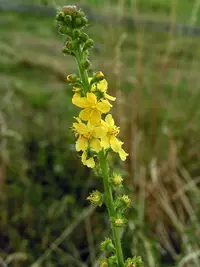
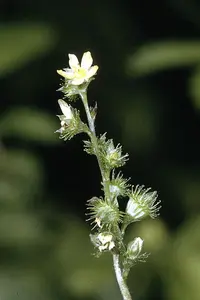
Agrimony (Agrimonia eupatoria) is a hardy perennial herb from the rose family, known for its slender spikes of small yellow flowers and softly hairy stems. It typically forms low clumps of divided leaves, then sends up upright flowering stems that give the plant a light, vertical look in beds or naturalistic plantings.

This species is native to Europe and parts of western Asia but is also grown in gardens in temperate regions for its subtle ornamental value and traditional herbal use. It adapts well to average garden conditions, so how to care for Agrimony usually focuses on providing sun, moderately moist but well-drained soil, and avoiding waterlogged sites.

Main Plant Requirements

Care Difficulty

Easy Care

Light Preference

Full Sun

Water Requirements

Moderate Water

Temperature Preference

Cold Hardy

Hardiness Zone

4–9

Soil Texture

Sandy, Loamy, Silty

Soil pH

Slightly acidic (6.5–7.0), Neutral (7.0)

Soil Drainage

Well-drained

Fertilization

Minimal (feed rarely)

Get Personalized Care Plan

Scan your plant to receive care tips personalized for your specific plant

Available on iOS and Android

How to Care for the Agrimony

This sun-loving perennial thrives in open sites but tolerates some light shade.

  • Provide 6–8 hours of direct sun daily; morning and midday sun promote sturdy stems and abundant flowering in Agrimony.
  • Allow light afternoon shade in hot climates to reduce leaf scorch, especially on dry or sandy soils.
  • In spring and fall, full sun is ideal; in summer, monitor for pale, floppy growth (too little light) or crisp brown patches (too much intense sun).

This hardy herb prefers moderately moist, free-draining soil and resents standing water.

  • Water when the top 3–5 cm of soil feels dry, aiming for consistently slightly moist, not saturated, conditions during active growth.
  • Use soil with good drainage; puddling for more than 30 minutes or a sour smell indicates overwatering and risk of root rot.
  • In cooler seasons reduce watering frequency; wilting, crisp leaves, and shrinking stems signal drought stress in Agrimonia eupatoria.

This temperate perennial is cold hardy yet grows best in mild conditions.

  • Optimal growth occurs around 60–75°F (16–24°C), with vigorous foliage and flowering in late spring and summer.
  • Established plants tolerate winter lows near 0°F (−18°C) in the ground, dying back above soil while crowns survive.
  • Short periods above 86°F (30°C) are tolerated if soil moisture is maintained, but prolonged extreme heat can reduce flowering and stress foliage.

This species grows well in typical outdoor humidity and rarely needs special humidity management.

Agrimonia eupatoria prefers moderately fertile, well-drained soil that does not stay waterlogged.

  • Use a loamy or sandy-loam structure with some organic matter to keep the soil open and crumbly.
  • Aim for slightly acidic to neutral pH, roughly 6.0–7.5, avoiding very acidic or chalky extremes.
  • Blend garden soil with 20–30% compost and a small portion of coarse sand for improved structure and drainage.
  • Avoid compacted clay or spots where water pools after rain, as low oxygen around roots encourages rot.

This species can adapt to container growing if the pot is deep and drains efficiently.

  • Choose a container at least 25–30 cm deep to accommodate its taproot and encourage stable upright growth.
  • Select a heavier material, such as terracotta or ceramic, to reduce tipping as tall stems develop in windy sites.
  • Elevate the pot slightly on feet or bricks so drainage holes stay clear and excess water exits quickly after rain or watering.

This hardy wild perennial needs minimal feeding and often thrives without fertilizer in average garden soil.

This species needs little structural pruning but responds well to light cleanup to maintain vigor and flowering.

  • Carry out pruning in late winter or very early spring before new growth starts on Agrimonia eupatoria.
  • Use clean hand pruners to remove dead, diseased, or winter-damaged stems at the base.
  • Thin out weak, crowded shoots to improve air flow and light penetration through the clump.
  • After flowering, shear back spent flower stems to tidy the plant and encourage fresh foliage.

Agrimonia eupatoria is usually grown in the ground and only needs transplanting when overcrowded or poorly placed.

  • Transplant in early spring or early fall when temperatures are mild and soil moisture is steady.
  • Look for signs such as stunted growth, sparse flowering, or clumps spreading into unwanted areas.
  • Lift the plant with a generous soil ball, disturbing roots as little as possible to reduce stress.
  • Replant at the same depth in well-drained soil, water thoroughly, and keep evenly moist for 2–3 weeks.

This perennial is most often propagated by seed or division, both practical for home gardeners.

  • Sow ripe seeds outdoors in fall so natural winter chilling breaks dormancy and improves germination.
  • For controlled sowing, stratify seeds for 8–12 weeks at 35–40°F in moist medium, then provide light and 60–70°F.
  • Divide established clumps in early spring, keeping several buds and healthy roots on each division.
  • Replant divisions promptly, firm soil around roots, and maintain consistent moisture until new growth establishes.

This hardy temperate perennial usually needs minimal winter care in the ground across most cold regions.

  • Plants tolerate typical frosts and freeze–thaw cycles once established in well-drained soil.
  • Allow top growth to die back naturally, then cut stems to ground level in late winter or early spring.
  • Apply a 3–5 cm layer of organic mulch around, not on, the crown in colder zones to buffer soil temperature.
  • Move container-grown plants to a sheltered, unheated spot to avoid waterlogged frozen roots.

Care Tips

Encourage Bushier Growth

Cut flowering stems back by about one-third right after the first main flush of blooms to encourage side shoots, a denser clump, and a longer overall flowering season when growing Agrimony.

Control Unwanted Spread

Remove spent flower spikes before seeds mature if you do not want self-sown seedlings, and lightly fork the soil in late fall to lift and discard unwanted young plants at the margins of the patch.

Support Tall Spikes

In windy or exposed sites, place discreet ring stakes or low hoops around the clump in early spring so the tall stems grow through the support and are less likely to lodge or snap in summer storms.

Manage Weed Competition

Lay a 3–5 cm layer of coarse organic mulch around but not touching the crowns in late spring to suppress weeds and reduce root competition, especially in lean or shallow soils.

Plan Rotation In Beds

In mixed herb or perennial beds, shift agrimony clumps to a new spot every 4–5 years to reduce soil-borne disease buildup and to divide and replant only the healthiest, most vigorous sections.

Common Pests and Diseases

Powdery mildew

This disease causes a white, talcum-like coating on upper leaf surfaces, often during warm days and cool, humid nights. Symptoms include distorted leaves and reduced vigor if the infection is heavy.

Solution

Remove and dispose of heavily infected leaves to lower the spore load, and avoid overhead watering so foliage dries quickly. Improve spacing and airflow around plants, and if needed use a sulfur or potassium bicarbonate fungicide labeled for powdery mildew, applied according to Agrimonia eupatoria care instructions and local regulations.

Leaf spot

This disease produces small brown to purplish spots on leaves that may merge into larger blotches, leading to early leaf drop in wet seasons. Symptoms include a speckled appearance and thinning foliage, especially on lower leaves.

Solution

Cut off and discard affected leaves and any fallen debris to reduce sources of reinfection. Keep foliage as dry as possible by watering at soil level, and in persistent cases use a copper-based or chlorothalonil fungicide labeled for ornamental perennials, following label directions carefully.

Rust

This disease forms orange to brown powdery pustules on the undersides of leaves, sometimes with yellowing on the upper surface. Symptoms include premature leaf yellowing and drop when infections are severe.

Solution

Remove and destroy rust-infected leaves as soon as pustules appear, and clean up plant debris at the end of the season. Encourage good airflow by avoiding overcrowding, and in recurring cases apply a suitable systemic or protectant fungicide for rust on herbaceous perennials, rotating products to reduce resistance risk.

Aphids

These insects feed on young stems and leaf undersides, causing curling, yellowing, and sticky honeydew deposits that may attract sooty mold. This pest often appears in clusters on new growth and flower stems.

Solution

Wash colonies off with a strong but controlled stream of water, focusing on undersides of leaves and tender tips. For ongoing infestations, use insecticidal soap or a horticultural oil spray, applied in the early morning or evening and repeated as needed while protecting beneficial insects when possible.

Sawfly larvae

These insects resemble small caterpillars and chew irregular holes or skeletonize leaves, sometimes defoliating patches of the plant. Symptoms include ragged foliage with only leaf veins remaining in severe cases.

Solution

Inspect plants regularly and hand-pick larvae where numbers are low, dropping them into soapy water. In heavier infestations, use a targeted control such as a spinosad-based product labeled for sawflies on ornamentals, applying to the foliage where larvae are actively feeding.

Interesting Facts

Hooked seed dispersal

The seeds bear small hooked bristles that readily cling to animal fur and clothing, allowing the plant to spread over long distances along paths, field margins, and forest edges.

Rosette to spike growth

This species overwinters as a low basal rosette of leaves and then sends up tall, slender, yellow-flowered spikes in late spring to summer, a growth pattern that helps it survive disturbance and seasonal climate shifts.

Tannin‑rich tissues

Its leaves and flowering tops are notably rich in tannins, polyphenolic compounds that give the plant an astringent character and help protect it against herbivores and some pathogens.

Botan icon

Did you know?

Pollen analysis from archaeological and historical deposits in parts of Europe shows that this species has been associated with human-managed landscapes such as pastures, trackways, and field borders for many centuries, indicating a long-standing link between its distribution and traditional land use.

FAQs about Agrimony

The aerial parts are traditionally used in herbal teas and remedies, usually harvested while flowering and dried. Only use properly identified plants, and consult a healthcare professional before internal use, especially if taking medications or during pregnancy.

Grow Healthy Plants with Botan Care

Keep your plants happy and healthy with plant identification, disease detection, and easy care guidance.

Botan plant care app — identify plants on mobile

Explore More Plants