Handle With Care
Wear gloves and long sleeves when handling this plant, and plan placements so children and pets cannot easily touch the spines or milky sap, which can irritate skin and eyes.

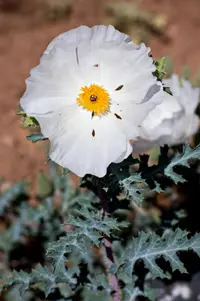
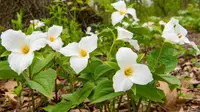
Crested pricklypoppy, Argemone polyanthemos, is a drought-tolerant annual or short-lived perennial native to dry prairies and plains of central North America. It forms a clumping habit with deeply lobed, bluish-green leaves armed with sharp spines. Its large, crinkled white flowers with yellow centers stand above thorny stems, attracting pollinators while deterring grazing animals. The plant self-seeds readily, so it can spread where conditions suit it. Gardeners who care for crested pricklypoppy value its toughness, but must allow for its spiny foliage and taproot, which resents disturbance. It prefers full sun, lean, fast-draining soil, and low to moderate moisture.

Care Difficulty
Easy Care

Light Preference
Full Sun

Water Requirements
Low Water

Temperature Preference
Cold Hardy

Hardiness Zone
3–8

Soil Texture
Sandy, Loamy, Rocky

Soil pH
Slightly acidic (6.5–7.0), Slightly alkaline (7.0–7.5)

Soil Drainage
Well-drained

Fertilization
Minimal (feed rarely)
Scan your plant to receive care tips personalized for your specific plant
Available on iOS and Android
This sun-loving prairie annual thrives in strong, direct light typical of open, dry habitats.
This drought-adapted species prefers infrequent, deep watering and very fast-draining soil.
This species is adapted to hot, dry climates and tolerates a wide range of outdoor temperatures once established.
Humidity is not a significant factor for this highly drought-adapted species.
This species prefers very well-drained, lean, often sandy or gravelly soil.
This species can be grown in containers outdoors if sharp drainage and dry conditions are maintained.
This drought-adapted prairie native, including crested pricklypoppy, typically needs no fertilizer in average to lean soil.
Argemone polyanthemos needs only light, careful pruning to keep plants tidy and flowering well.
This deep-rooted species resents disturbance, so transplanting should be minimal and carefully timed.
Propagation of this taprooted wildflower is mainly done by seed rather than division or cuttings.
This cold-hardy perennial in mild regions or short-lived perennial/annual in colder zones usually needs little winter care.

Plant Health Check
Not sure what's wrong with your plant? Check your plant's health inside the app.
This species is native to the central Great Plains of North America and is especially characteristic of dry prairies, roadsides, and overgrazed rangelands where it takes advantage of disturbed, open ground.
Its bluish green leaves are heavily armed with stiff spines along the margins and veins, which deter most grazing animals and help the plant survive in heavily browsed grassland habitats.
When injured, the plant exudes a yellowish, milky latex sap that contains bitter alkaloids, making its tissues unpalatable to many herbivores and helping protect it from being eaten.

Crested pricklypoppy is often one of the first broadleaf forbs to colonize freshly disturbed prairie soils, where its deep taproot and drought tolerance allow it to establish quickly before more competitive perennial grasses return.
All parts of this species contain toxic alkaloids that can affect the nervous system and liver if eaten. Sap may irritate skin or eyes. Keep pets, livestock, and children from chewing or ingesting any part.
Keep your plants happy and healthy with plant identification, disease detection, and easy care guidance.