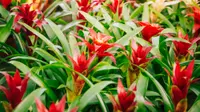
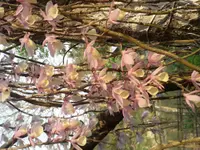
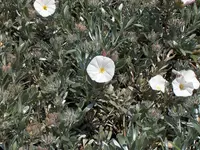
pinewoods rose gentian Care (Sabatia gentianoides)

pinewoods rose gentian

About pinewoods rose gentian

Pinewoods rose gentian, Sabatia gentianoides, is a short-lived perennial wildflower native to sandy pinelands and wet flatwoods in the southeastern United States. It typically forms slender, upright stems topped with star-shaped pink flowers and a distinct yellow center. Plants often grow in small colonies, creating a delicate but noticeable display during their blooming season. This species prefers open, sunny sites with consistently moist, acidic, sandy soil and does poorly in heavy or dry ground. It can be somewhat challenging to establish in gardens because it resents root disturbance and needs stable moisture, so it suits patient growers willing to learn how to care for pinewoods rose gentian.

Main Plant Requirements

Care Difficulty

Moderate Care

Light Preference

Full Sun

Water Requirements

Keep Soil Moist

Temperature Preference

Warm Climate

Hardiness Zone

8–10

Soil Texture

Sandy, Loamy, Organic-rich

Soil pH

Acidic (5.5–6.5)

Soil Drainage

Moist but well-drained

Fertilization

Minimal (feed rarely)

Get Personalized Care Plan

Scan your plant to receive care tips personalized for your specific plant

Available on iOS and Android

How to Care for the pinewoods rose gentian

This sun-loving wildflower thrives in open, bright habitats with strong light exposure.

  • Provide 6–8 hours of direct sun daily; morning and midday sun support compact growth and abundant flowering in pinewoods rose gentian.
  • Allow only light partial shade in the late afternoon, especially in very hot climates, to reduce leaf scorch and help maintain soil moisture.
  • Avoid dense shade, which leads to weak, elongated stems and poor blooming; in winter, ensure sites are not shaded by buildings or evergreen trees.

This species prefers consistently moist, but not waterlogged, sandy or loamy soil.

  • Water when the top 2–4 cm of soil feels just barely moist, aiming to prevent complete drying, especially during active growth and flowering.
  • Ensure excellent drainage; soggy soil, a sour smell, yellowing, or soft stems indicate overwatering, while wilting and crisp leaf edges point to underwatering.
  • In cooler seasons, reduce frequency as evaporation slows, but do not allow established Sabatia gentianoides in the ground to dry out for more than a few days.

This plant is adapted to warm, temperate climates with mild winters and hot summers.

  • Support best growth at 70–85°F (21–29°C); flowering and overall vigor decline if temperatures stay below 60°F (16°C) for long periods.
  • Tolerate short dips to about 25°F (-4°C) once established, but young plants are more sensitive and can be damaged by hard or repeated frosts.
  • Handle summer heat up to 95°F (35°C) if soil remains evenly moist; during heat waves, extra water and slight afternoon shade reduce stress and leaf scorch.

Humidity is not a major factor for Sabatia gentianoides as long as soil moisture is managed well.

Sabatia gentianoides prefers sharply drained, sandy substrate that mimics its native pine flatwoods and savannas.

  • Use a mix of 60–70% coarse sand with 30–40% lean loam or low-peat seed-starting mix for structure.
  • Ensure very fast drainage; water should pass through the profile within seconds rather than pooling on the surface.
  • Aim for slightly acidic conditions around pH 5.5–6.5 to support nutrient uptake typical of this species.
  • Avoid heavy clay, high-peat, or manure-rich mixes that stay wet or overly rich, which can cause root decline.

This species can be grown in containers if the potting setup keeps the root zone fast-draining and relatively lean.

  • Choose a deep, narrow container to keep the rooting zone cool and prevent rapid surface drying in hot sun.
  • Use an unglazed terracotta pot when possible, as its porous walls help moisture escape quickly after rain or irrigation.
  • Raise containers on pot feet or bricks so drainage holes clear freely and runoff does not reabsorb into the root zone.

This native wildflower, known as pinewoods rose gentian, usually needs only modest fertilization in lean, well-drained soils.

  • Use a light application of balanced NPK fertilizer (for example 10-10-10) at half strength early in the growing season.
  • Apply once in spring, and at most once more in midsummer if growth appears weak or foliage pale.
  • Avoid heavy feeding or rich compost, which can reduce flowering and encourage weak, lush growth.
  • Stop feeding in late summer so plants can harden off before winter dormancy.

Pruning Sabatia gentianoides is minimal and mainly focuses on keeping plants tidy and encouraging flowering.

  • Cut spent flowering stems in late summer to direct energy to root reserves and potential reseeding.
  • Remove dead, damaged, or diseased stems whenever noticed using clean, sharp scissors or hand pruners.
  • Thin out crowded, crossing stems at the base to maintain airflow and a more open, upright habit.
  • Avoid cutting fresh green growth hard to the ground during the active growing season.

This species is more often transplanted in native beds than maintained long term in containers.

  • Transplant in early spring or early fall when temperatures are mild and soil is evenly moist.
  • Look for roots circling the pot, very quick drying soil, or stalled growth as signs a container plant needs more space.
  • Move into only a slightly larger pot or planting hole, keeping the root ball intact to minimize transplant shock.
  • Water thoroughly after transplanting and shade lightly for a few days to reduce stress on roots and foliage.

Propagation of Sabatia gentianoides is usually done from seed, with some success from softwood cuttings under controlled conditions.

  • Sow fresh seed in late fall or early spring on the soil surface, since light aids germination.
  • Keep the seed tray evenly moist and cool to mildly warm, around 60–70°F, until seedlings appear.
  • Transplant seedlings carefully once they have several true leaves, disturbing roots as little as possible.
  • Take non-flowering softwood cuttings in late spring, use rooting hormone, and maintain high humidity until rooted.

This species is adapted to mild winter climates and generally needs little specialized winter care in its hardiness range.

  • In regions with occasional light frost, a thin mulch layer helps buffer root temperature and soil moisture.
  • Avoid heavy, wet mulch directly against crowns to reduce the risk of rot during cool, damp periods.
  • Container plants in colder zones can be moved to a cool, bright, frost-free space until consistent warmth returns.

Care Tips

Site preparation

Before planting, clear competing turf and weeds in a 30–45 cm radius and lightly rough up the soil surface so the fine roots can anchor and spread instead of being shaded out or crowded.

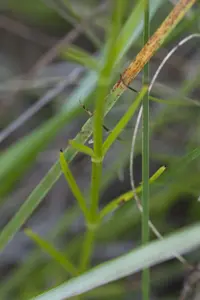
Seasonal mowing timing

In meadow or roadside settings, delay mowing until seed capsules have turned brown and dry, then cut vegetation to 10–15 cm to allow self-sowing and maintain a long-lived population when growing pinewoods rose gentian.

Seed bank management

If establishing a colony, allow some spent flowering stems to remain standing through winter so seed can fall gradually and build a persistent soil seed bank for natural regeneration.

Companion plant spacing

Plant alongside other low, open-canopy natives with similar moisture needs and leave at least 15–20 cm of open space around each clump so it is not shaded by aggressive grasses or tall forbs.

Moisture buffering mulch

Use a very thin (0.5–1 cm) layer of fine pine bark or pine needles around plants in sandy soils to reduce evaporation while still keeping the crown exposed and preventing rot in this species.

Common Pests and Diseases

Leaf spot fungi

This disease causes small tan to dark-brown lesions on leaves that may coalesce, especially in warm, humid weather. Symptoms include premature yellowing and drop of the narrow leaves, often starting on older foliage near the base.

Solution

Remove and discard affected leaves to reduce spore load, and avoid overhead watering so foliage dries quickly. Thin surrounding vegetation and improve air movement; in persistent wet conditions, a labeled copper-based fungicide can be used preventively on nearby native ornamentals growing with Sabatia gentianoides.

Powdery mildew

This disease appears as a white to gray powdery film on leaves and stems, often during periods of warm days and cool nights. Symptoms include distorted new growth and reduced vigor if coverage becomes heavy.

Solution

Increase sun exposure and airflow by reducing crowding from neighboring plants, and water at soil level rather than wetting foliage. Prune out the most affected stems and, if needed, apply a low-impact fungicide such as a horticultural oil to nearby susceptible ornamentals, following label directions carefully.

Aphids

These insects cluster on tender stems and buds, sucking sap and causing curling or distortion of the delicate foliage. This pest also excretes sticky honeydew, which can support sooty mold on nearby leaves or companion plants.

Solution

Dislodge colonies with a strong stream of water in the early morning and pinch off heavily infested tips. Encourage or introduce natural predators such as lady beetles, and if populations remain high, use an insecticidal soap directed at the aphids while avoiding open flowers to protect pollinators.

Leaf-mining larvae

This pest creates pale, winding tunnels inside the narrow leaves, which may turn brown along the mined areas. Symptoms include cosmetic damage and, when infestations are heavy, some reduction in photosynthesis and vigor.

Solution

Hand-remove and dispose of mined leaves as soon as damage appears to interrupt the larvae life cycle. Avoid broad-spectrum insecticides that harm beneficial insects; if control is needed in a restoration or garden setting, use targeted systemic treatments only on nearby ornamentals, never in untouched native stands of Sabatia gentianoides.

Interesting Facts

Narrow Florida range

This species is endemic to peninsular Florida, where it is naturally restricted to a small number of coastal counties rather than occurring across the broader southeastern United States like many related sabatia species.

Specialist wetland habitat

It grows almost exclusively in open, seasonally wet flatwoods and depression wetlands on sandy, acidic soils, relying on periodic fire or other disturbance to keep surrounding vegetation low and maintain the high light conditions it needs.

Pink star morphology

The flowers form a distinctive flat, pink, star-shaped corolla with a yellow and green eye, and the petals lack the deeper lobing and fringes seen in some related coastal plain sabatia species, which helps botanists separate it in the field.

Botan icon

Did you know?

This plant is considered a conservation concern because of its very limited distribution and ongoing loss of its fire-dependent flatwoods habitat to development and hydrologic alteration, and several Florida conservation assessments treat it as a rare or vulnerable taxon needing habitat protection.

FAQs about pinewoods rose gentian

This wildflower is highly attractive to native bees and small butterflies, especially when planted in groups. Its open, star-shaped flowers provide accessible nectar, supporting local pollinator populations in naturalistic gardens and restoration plantings.

Grow Healthy Plants with Botan Care

Keep your plants happy and healthy with plant identification, disease detection, and easy care guidance.

Botan plant care app — identify plants on mobile

Explore More Plants